Moving into a Korean apartment can feel exciting, modern, and sometimes a little confusing. If you are renting in South Korea for the first time, you may quickly notice that apartment life works differently compared to many other countries. From huge security deposits to heated floors and strict recycling rules, there are many things that surprise new renters.
Some differences are convenient and impressive, while others take time to adjust to. Understanding these details before you sign a lease can save you stress, money, and awkward misunderstandings with landlords or neighbors.
In this guide, you will learn the top 10 things about Korean apartments that surprise new renters the most. Whether you are an expat, student, digital nomad, or long-term resident, these insights will help you settle in more comfortably.
Quick Summary Table 🧾
| Rank | Surprise Factor | Why It Shocks New Renters |
|---|---|---|
| 1 | Huge Security Deposits | Deposits can be extremely high |
| 2 | Heated Floors Instead of Central Heating | Floors become warm during winter |
| 3 | Tiny Apartment Sizes | Apartments are often much smaller than expected |
| 4 | Strict Recycling Rules | Trash sorting is taken very seriously |
| 5 | Bathroom Design | Wet bathrooms surprise many foreigners |
| 6 | Building Security Systems | Advanced security is common |
| 7 | Quiet Neighbor Expectations | Noise complaints happen easily |
| 8 | Appliance Differences | Apartments may not include everything |
| 9 | Fast Internet Standard | Internet speeds are impressively fast |
| 10 | Maintenance Fees | Monthly costs can add up quickly |
How We Ranked These 🏡
We ranked these apartment surprises based on the following factors:
- How often new renters mention them
- Adjustment difficulty for foreigners
- Financial impact on renters
- Cultural differences compared to western housing
- Daily convenience or inconvenience
- Importance of long-term apartment living
- Potential to cause confusion during move-in
- Overall effect on comfort and lifestyle
1. Massive Security Deposits Can Feel Unreal 💰
One of the biggest shocks for new renters in Korea is the security deposit system. In many countries, renters expect to pay one or two months of rent upfront. In Korea, deposits can reach thousands or even tens of thousands of dollars.
The traditional system is called jeonse, where renters pay a very large deposit instead of monthly rent. While many people now use monthly rental agreements called wolse, even these often require large deposits.
For example, a small studio apartment may still require a deposit of several thousand dollars. Larger apartments can require much more.
This surprises many newcomers because:
- The upfront cost is very high
- Landlords often prefer larger deposits
- Deposits directly affect monthly rent prices
- Negotiation is common
The good news is that deposits are usually returned at the end of the lease if there is no major damage. Still, understanding this system before apartment hunting is extremely important.
2. Heated Floors Change Your Entire Winter Experience 🔥
Korean apartments usually use ondol heating systems, which heat the floors instead of blowing hot air through vents.
At first, this may seem unusual. Then winter arrives, and you suddenly understand why people love it.
Warm floors make apartments feel cozy and comfortable during cold months. Many residents sit or sleep directly on the floor because it stays warm.
However, there are also adjustments:
- Heating bills can rise during winter
- Apartments may become very dry
- Temperature control can take time to learn
- Floors sometimes become hotter than expected
Many renters end up loving ondol heating after experiencing it for the first time. It becomes one of the hardest things to give up when leaving Korea.
3. Apartment Sizes Are Smaller Than You Expect 📦
Even modern Korean apartments can feel surprisingly compact. If you come from a country with larger homes, the limited space may take some time to adjust to.
Studio apartments are especially small in major cities like Seoul. Kitchens, washing machines, and beds may all fit into one room.
Storage space can also be limited. Closets are smaller, and some apartments barely have room for large furniture.
This smaller lifestyle changes how you live:
- You buy fewer unnecessary items
- Multi-purpose furniture becomes important
- Organization matters much more
- Cleaning takes less time
Although the size may initially feel restrictive, many renters eventually appreciate the efficiency and convenience of compact living.
4. Trash and Recycling Rules Are Extremely Strict ♻️
Korea takes recycling seriously. New renters are often shocked by how carefully trash must be separated.
Depending on your neighborhood, you may need separate bags or containers for:
- Food waste
- Plastic
- Glass
- Paper
- Vinyl
- General trash
Food waste is especially surprising for many foreigners. You cannot simply throw leftover food into regular trash bags.
In some apartment buildings, food waste machines use cards or electronic systems that track usage.
If you do not follow the rules properly, neighbors or building managers may complain. In some cases, fines are possible.
Once you learn the system, it becomes routine, but many renters struggle during their first few weeks.
5. Korean Bathrooms Work Differently 🚿
Bathrooms in Korean apartments can surprise people almost immediately.
In many apartments, especially smaller ones, the shower area is not separated with a curtain or glass wall. The entire bathroom can get wet during a shower.
This design is practical and easy to clean, but it takes adjustment.
You may also notice:
- Floor drains in unexpected places
- Waterproof bathroom layouts
- Heated toilet seats in newer apartments
- Small sink areas
- Bathroom slippers in some homes
At first, the wet bathroom style may seem inconvenient. Over time, many renters realize it actually makes cleaning easier and saves space.
6. Apartment Security Is Often Advanced 🔐
Many Korean apartment buildings have impressive security systems.
Even average apartment complexes often include:
- Digital door locks
- Security cameras
- Building access codes
- Video intercom systems
- Package delivery areas
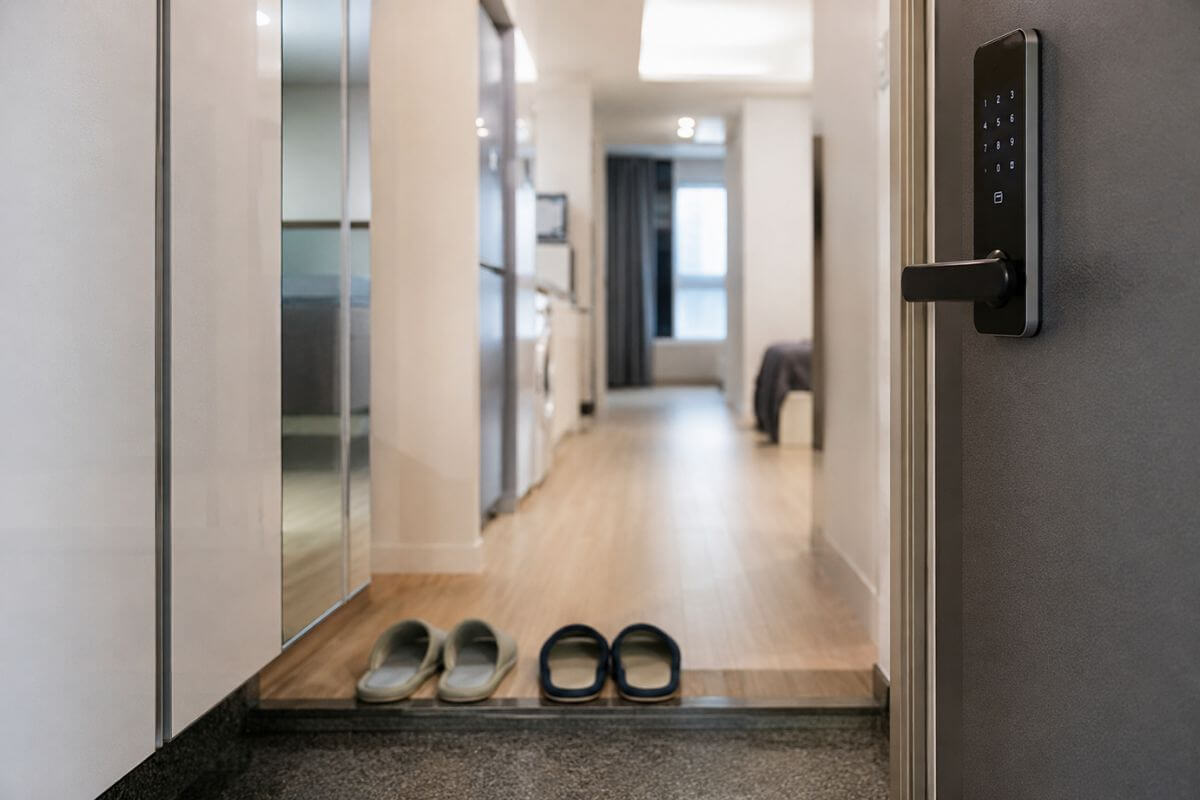
New renters are often surprised that physical keys are becoming less common. Many apartments use keypad entry systems instead.
Some buildings even allow residents to control certain features through smartphone apps.
This strong focus on security helps many renters feel safe, especially in busy cities.
7. Noise Complaints Happen Faster Than You Think 🤫
Apartment living in Korea usually comes with strict expectations about noise.
Neighbors may complain about:
- Loud footsteps
- Moving furniture late at night
- Vacuuming during quiet hours
- Loud music
- Children running indoors
This surprises many foreigners because apartment walls and floors can transmit sound more easily than expected.
Some buildings post quiet hour reminders in elevators or hallways.
To avoid problems, many renters:
- Wear indoor slippers
- Use soft floor mats
- Avoid loud activities at night
- Speak quietly in hallways
Understanding Korean apartment etiquette can help you maintain a peaceful relationship with neighbors.
8. Not Every Apartment Comes Fully Equipped 🧺
Many new renters assume apartments automatically include all major appliances. In Korea, this depends heavily on the property type.
Some studio apartments include:
- Washing machine
- Refrigerator
- Microwave
- Bed
- Desk
Others may include very little.
You may also discover unusual appliance setups. For example, dryers are less common than in the United States, and many people air-dry clothes indoors.
Ovens are also uncommon in smaller apartments.
Before signing a lease, always confirm exactly what is included.
9. Internet Speeds Are Incredibly Fast ⚡
One pleasant surprise for many renters is how fast and reliable the internet service is in Korea.
High-speed internet is widely available and relatively affordable. Even smaller apartments often support excellent streaming, gaming, and remote work performance.
This becomes especially noticeable for people moving from countries with slower or less stable connections.
Many renters are impressed by:
- Quick installation times
- Strong mobile coverage
- Reliable video calls
- Fast download speeds
For remote workers and students, this can make apartment life much more convenient.
10. Monthly Maintenance Fees Add Up Quickly 📋
Many renters focus only on rent and forget about maintenance fees, known as gwanlibi.
These fees can include:
- Building cleaning
- Elevator maintenance
- Security services
- Water costs
- Internet
- Heating in shared spaces
In larger apartment complexes, monthly fees can become surprisingly expensive.
Always ask what is included before signing a contract. A lower rent may come with higher maintenance costs.
Understanding the full monthly expense helps you budget more accurately and avoid unpleasant surprises later.
Conclusion 🌆
Renting an apartment in Korea can feel very different at first, but many of these surprises eventually become things renters appreciate. Heated floors, strong security, fast internet, and efficient living spaces often improve daily life once you adjust.
The key is understanding what to expect before moving in. When you know about deposits, recycling rules, maintenance fees, and apartment etiquette ahead of time, the transition becomes much smoother.
Korean apartment living combines convenience, technology, and urban efficiency in unique ways. While there may be an adjustment period, many renters end up enjoying the experience far more than they expected.
Frequently Asked Questions ❓
How much is a normal apartment deposit in Korea?
Deposits vary depending on location, apartment size, and contract type. Small studio apartments may require a few thousand dollars, while larger apartments can require much more.
Are utilities expensive in Korean apartments?
Utility costs depend on the season and apartment size. Heating costs usually rise during winter because floor heating systems use more energy.
Can foreigners easily rent apartments in Korea?
Yes, but the process can sometimes be more complicated without Korean language skills or local financial history. Many foreigners use real estate agents for help.
Why are Korean apartments so small?
High population density in major cities like Seoul increases housing demand and limits available space. Smaller apartments also help reduce living costs in urban areas.
Is it normal to remove shoes inside Korean apartments?
Yes. Removing shoes indoors is an important cultural habit in Korea. Most apartments have a small entry area specifically designed for taking off shoes before entering the main living space.