Korea is one of those rare places where ancient traditions and ultra-modern life blend seamlessly. You can walk past a 600-year-old palace in the morning and grab bubble tea from a robot café in the afternoon, and both feel completely natural. What makes Korean culture especially fascinating is how many traditional customs are still actively practiced, not just preserved in museums. From family rituals to food culture, clothing, holidays, and etiquette, these traditions continue to shape everyday life in South Korea today.
If you’re curious about Korean culture, planning a trip, or just love learning about different traditions around the world, this guide will walk you through the top 10 Korean traditions still practiced today.
1. Seollal (Lunar New Year Celebration)
Seollal, the Korean Lunar New Year, is one of the most important traditional holidays in Korea and is still widely celebrated every year. Families travel from all over the country to gather at their ancestral homes, often causing massive traffic jams and sold-out train tickets days in advance. On Seollal morning, families perform a traditional ancestral rite called charye, offering food like rice cake soup, fruits, meat, and traditional dishes to honor their ancestors. Younger family members then perform deep bows, called sebae, to elders, wishing them good health and longevity, and in return receive blessings and money known as sebaetdon. Wearing hanbok, playing traditional games like yutnori, and eating tteokguk (rice cake soup) are all essential parts of this celebration, symbolizing a fresh start and the act of officially growing one year older.
2. Chuseok (Korean Harvest Festival)
Often called “Korean Thanksgiving,” Chuseok is another major traditional holiday that continues to be celebrated nationwide. It takes place in autumn, during the full moon of the eighth lunar month, and is a time to give thanks for the harvest and honor ancestors. Families visit ancestral graves to clean them, offer food, and show respect, a practice known as seongmyo and beolcho. At home, they prepare special foods like songpyeon (half-moon-shaped rice cakes) filled with sesame seeds, beans, or chestnuts. Many people wear hanbok, share traditional games, and enjoy folk dances like ganggangsullae. Even in modern cities, people take time off work, return to their hometowns, and follow these customs, showing how deeply rooted this tradition remains.
3. Wearing Hanbok on Special Occasions
Hanbok, the traditional Korean clothing, is not something people wear daily anymore, but it is still very much alive in modern Korean life. Koreans wear hanbok during major holidays like Seollal and Chuseok, at weddings, first birthdays (doljanchi), and milestone birthdays like the 60th (hwangap). In recent years, modern-style hanbok with simplified designs and lighter fabrics has become popular, especially among young people and tourists visiting palaces in Seoul. Many palaces even offer free entry to visitors wearing hanbok, encouraging people to experience history through clothing. Whether traditional or modernized, hanbok continues to represent Korean identity, beauty, and cultural pride.
4. Bowing as a Form of Respect
Bowing is still one of the most important ways Koreans show respect, especially toward elders, teachers, and people in higher social positions. While a simple nod is common in daily life, deeper bows are used for formal situations like holidays, weddings, funerals, and ancestral rituals. Children are taught from a young age how to bow properly, placing their hands in a certain way and lowering their body depending on the level of respect being shown. During Seollal and Chuseok, younger family members perform full bows to elders as a sign of gratitude and respect. Even in modern workplaces, a polite bow often accompanies greetings, apologies, and expressions of thanks.
5. Jesa (Ancestral Memorial Rites)
Jesa is a traditional ritual performed to honor deceased ancestors, and it is still practiced in many Korean families today. These ceremonies usually take place on the anniversary of an ancestor’s death, as well as during major holidays like Seollal and Chuseok. Families prepare a table filled with carefully arranged foods such as rice, soup, fish, meat, fruits, and rice cakes, following traditional placement rules. They offer bows, light incense, and call upon the spirits of their ancestors to join the meal. While some modern families simplify the ritual or choose not to practice it, many still keep jesa as a meaningful way to remember their roots and show gratitude to previous generations.
6. Kimjang (Making Kimchi Together)
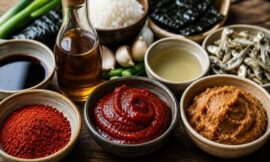
Kimchi is Korea’s most famous food, but the process of making it, called kimjang, is also a deeply rooted tradition. Every late autumn, families, neighbors, and communities gather to make large amounts of kimchi to last through the winter. This is not just cooking; it’s a social event filled with teamwork, laughter, shared meals, and cultural bonding. People prepare napa cabbage, radish, chili paste, garlic, ginger, and fermented seafood, mixing everything by hand before storing it in jars or modern kimchi refrigerators. Kimjang is recognized by UNESCO as an Intangible Cultural Heritage, showing how important this tradition is to Korean culture and identity.
7. Doljanchi (First Birthday Celebration)
A baby’s first birthday, known as doljanchi, is one of the most important family events in Korea. In the past, reaching one year old was a major milestone due to high infant mortality rates, so this tradition began as a celebration of survival and good fortune. Today, doljanchi is still celebrated with decorated tables, traditional foods like rice cakes, and babies dressed in hanbok. One of the main events is doljabi, where the baby is placed in front of various objects like a pencil, money, thread, or microphone, and whichever item the baby picks is believed to predict their future. Even in modern Korean society, families continue this tradition as a joyful and meaningful celebration.
8. Respecting Elders Through Language (Honorifics)
The Korean language itself reflects deep-rooted traditions of respect, especially toward elders and people in higher positions. Koreans still use honorific speech levels, special vocabulary, and polite verb endings when speaking to older people, teachers, bosses, or strangers. For example, there are different ways to say “eat,” “sleep,” or “thank you” depending on who you are talking to. Children learn these rules at home and in school, and using the wrong speech level can be seen as rude or disrespectful. Even in casual modern settings like cafés, stores, and offices, polite language remains a key part of daily communication.
9. Traditional Korean Table Manners
Korean table manners are another tradition still practiced today, especially in family settings. Younger people wait for elders to start eating first, and it is considered polite to turn your head slightly away when drinking alcohol in front of someone older. Using both hands when pouring drinks or receiving items from elders is also a sign of respect. Chopsticks and spoons are used in specific ways. Rice is eaten with a spoon, not chopsticks, and bowls are usually left on the table instead of being lifted. These customs are still taught at home and practiced during family gatherings, holidays, and formal meals.
10. Confucian Family Values
At the heart of many Korean traditions is Confucianism, which has shaped Korean society for centuries and continues to influence it today. Values like respect for elders, loyalty to family, importance of education, and strong social hierarchy are still deeply embedded in Korean culture. Parents invest heavily in their children’s education, family opinions matter greatly in life decisions, and maintaining harmony within relationships is seen as very important. Even as Korea becomes more global and modern, these traditional values still guide behavior in homes, schools, and workplaces across the country.
Conclusion
Korea’s ability to preserve its traditions while embracing modern life is one of the things that makes the country so unique. These top 10 Korean traditions still practiced today show how history, family, respect, and community continue to influence everyday life. Whether you’re studying Korean culture, planning a trip, or just curious about the world, understanding these traditions will help you appreciate Korea on a deeper and more meaningful level.
From bowing to elders to making kimchi with family, from celebrating Lunar New Year to honoring ancestors, these traditions are not just customs; they are living parts of Korean identity that continue to thrive today.