When you think about Korean history, you might first hear about kings, generals, and powerful dynasties. But behind many of Korea’s biggest turning points were women whose influence changed politics, culture, education, independence movements, and everyday life forever.
Some ruled kingdoms directly. Others fought against injustice, protected their people during war, or inspired future generations through art, education, and activism. Their stories still shape modern South Korea today.
In this guide, you’ll discover 10 of the most powerful women in Korean history and learn how each one helped transform the country in her own way.
Quick Summary Table 📚
| Rank | Woman | Era | Main Contribution | Why She Matters |
|---|---|---|---|---|
| 1 | Queen Seondeok | Silla Kingdom | First female ruler of Korea | Strengthened science, culture, and diplomacy |
| 2 | Empress Myeongseong | Joseon Dynasty | Political reform and foreign diplomacy | Resisted foreign control |
| 3 | Yu Gwan-sun | Korean Independence Movement | Anti-Japanese activism | Became a symbol of freedom |
| 4 | Queen Munjeong | Joseon Dynasty | Political leadership | Controlled major state affairs |
| 5 | Shin Saimdang | Joseon Dynasty | Art and education | Became a symbol of wisdom and talent |
| 6 | Heo Nanseolheon | Joseon Dynasty | Poetry and literature | Influenced Korean literature deeply |
| 7 | Jang Geum | Joseon Dynasty | Royal physician | Broke barriers for women in medicine |
| 8 | Kim Man-deok | Joseon Dynasty | Humanitarian leadership | Saved thousands during famine |
| 9 | Na Hye-seok | Modern Korea | Feminism and art | Challenged gender expectations |
| 10 | Princess Deokhye | Korean Empire | Symbol of national tragedy and resilience | Represented Korea’s painful colonial era |
How We Ranked These Women 🏆
We looked at several important factors to decide who truly changed Korean history the most:
- Political influence and leadership
- Long-term cultural impact
- Contributions to Korean society
- Influence on women’s rights and opportunities
- Historical importance during national crises
- Legacy that still affects Korea today
- Recognition inside and outside Korea
- Ability to inspire future generations
1. Queen Seondeok – Korea’s First Female Monarch 🌟
Queen Seondeok ruled the Silla Kingdom during the 7th century and became the first officially recognized female ruler in Korean history. At a time when most societies refused to allow women to lead nations, she proved that intelligence and leadership mattered more than gender.
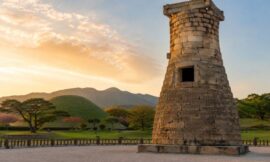
During her reign, Silla became stronger politically and culturally. She promoted Buddhism, supported scientific learning, and built important cultural landmarks. One of the most famous structures connected to her era is Cheomseongdae, one of the oldest astronomical observatories in East Asia.
You can still feel her influence today because she changed how people viewed women in leadership. Her success opened the door for future female rulers and showed that women could guide a nation through difficult times.
Many Koreans still see Queen Seondeok as one of the wisest rulers in the country’s long history.
2. Empress Myeongseong – The Woman Who Fought Foreign Powers ⚔️
Empress Myeongseong, also known as Queen Min, became one of the most politically powerful women during the late Joseon Dynasty. She played a huge role during a dangerous period when foreign countries were competing for influence over Korea.
She worked hard to modernize Korea while protecting the country from outside control. At the time, Japan was increasing its power in the region, and Empress Myeongseong strongly opposed Japanese interference.
Her political influence became so significant that she was viewed as a major obstacle by foreign powers. Tragically, she was assassinated in 1895 inside Gyeongbokgung Palace.
Even today, many Koreans remember her as a symbol of resistance, courage, and patriotism. Her death shocked the nation and became one of the most emotional events in Korean history.
3. Yu Gwan-sun – The Teenage Heroine of Independence ✊
Yu Gwan-sun became one of Korea’s greatest independence activists while she was still a teenager. During Japanese colonial rule, she joined the March 1st Movement in 1919, which demanded Korean independence.
Even though she was very young, she organized protests and inspired thousands of people to stand up against colonial oppression. After being arrested, she suffered terrible treatment in prison but refused to give up her beliefs.
She died at only 17 years old, but her bravery turned her into a national hero.
What makes Yu Gwan-sun especially powerful is how deeply her story continues to inspire younger generations. Korean students still learn about her courage in school, and she remains one of the strongest symbols of freedom and resistance in Korean history.
Her legacy proves that age does not limit the power of conviction.
4. Queen Munjeong – The Political Strategist 🐉
Queen Munjeong became one of the most influential political figures during the Joseon Dynasty. After her son became king at a young age, she ruled as regent and effectively controlled the government for years.
She was known for her intelligence, political skill, and ability to manage powerful court officials. While many women during the Joseon period faced strict social limitations, Queen Munjeong operated at the very center of national power.
She also strongly supported Buddhism during a period when Confucian beliefs dominated the government. Her support helped Buddhist culture survive during difficult times.
Although historians sometimes debate her methods and political decisions, there is no doubt that she shaped Joseon politics in major ways.
Her leadership demonstrated how women could influence government even inside deeply conservative systems.
5. Shin Saimdang – Korea’s Icon of Wisdom and Creativity 🎨
Shin Saimdang is often remembered as the ideal example of intelligence, creativity, and education in Korean culture. She was an artist, writer, poet, and mother during the Joseon Dynasty.
Her paintings and calligraphy became highly respected for their beauty and detail. She was also the mother of Yi I, one of Korea’s most famous Confucian scholars.
Unlike many historical women who gained influence through politics, Shin Saimdang changed Korean society through education and culture. Her image is so respected that she appears on South Korea’s 50,000 won bill.
For many Koreans, she represents a balance between family life, education, and artistic achievement.
Her legacy continues to shape conversations about women, motherhood, and success in Korean society today.
6. Heo Nanseolheon – The Literary Genius ✍️
Heo Nanseolheon became one of the greatest female poets in Korean history despite living during a time when women had very limited opportunities.
Born into a highly educated family during the Joseon Dynasty, she showed extraordinary literary talent from a young age. Her poetry explored loneliness, social pressure, emotional pain, and the restrictions women faced in society.
What made her work especially powerful was its emotional honesty. Readers could deeply connect with her writing even centuries later.
Although her personal life was difficult, her literary achievements survived long after her death. Today, she is considered one of Korea’s most important classical writers.
Her story also highlights the struggles talented women often faced in traditional societies where their abilities were not fully appreciated.
7. Jang Geum – The Woman Who Entered Royal Medicine 🩺
Jang Geum is one of the most famous women in Korean history because she broke barriers in medicine during the Joseon Dynasty.
Historical records about her are limited, but she is believed to have become the first female royal physician in Korean history. This was extremely unusual in a male-dominated medical system.
She earned the trust of the king through her medical skill and eventually received the title “Dae Jang Geum,” which means “Great Jang Geum.”
Her rise from a lower social position to royal physician made her story remarkable. She proved that talent and dedication could overcome social limitations.
Centuries later, her story became globally famous through Korean television dramas, introducing millions of people worldwide to Korean history and culture.
8. Kim Man-deok – The Merchant Who Saved Lives 💰
Kim Man-deok became famous during the Joseon Dynasty for her generosity and humanitarian work.
She was a successful businesswoman from Jeju Island at a time when women rarely held economic power. Instead of keeping her wealth for herself, she used it to help starving people during a terrible famine.
She donated huge amounts of food and resources to save countless lives. Her actions impressed even the king, who officially recognized her contributions.
What makes Kim Man-deok especially important is that she changed how society viewed women and business. She proved that women could succeed financially while also becoming respected public leaders.
Her story remains a symbol of compassion, responsibility, and social leadership in Korea.
9. Na Hye-seok – Korea’s Early Feminist Voice 🕊️
Na Hye-seok was one of Korea’s first modern feminist writers and artists. During the early 20th century, she openly challenged traditional expectations placed on women.
She believed women deserved education, independence, and freedom to pursue their own dreams. These ideas were considered highly controversial at the time.
As a painter and writer, she used art and essays to criticize unfair social standards. Although she faced strong public criticism during her lifetime, many people today recognize how far ahead of her time she was.
Modern discussions about gender equality in Korea often mention her contributions.
Her courage helped create space for future conversations about women’s rights, identity, and independence.
10. Princess Deokhye – A Symbol of Korea’s Lost Royal Era 🌸
Princess Deokhye was the last princess of the Korean Empire and became a tragic symbol of Korea’s colonial suffering under Japanese rule.
After Japan took control of Korea, her life changed dramatically. She was forced to live in Japan and separated from much of her homeland and family.
Her personal struggles reflected the pain many Koreans experienced during colonial occupation. Even though she held little political power directly, her story carried enormous emotional importance.
When she eventually returned to Korea years later, many people viewed her as a living reminder of a lost era in Korean history.
Today, her life story continues to move people because it represents resilience during one of Korea’s darkest periods.
Conclusion 🌈
The women on this list did far more than survive difficult times. They shaped Korean politics, culture, education, medicine, literature, and national identity in ways that still matter today.
Some ruled kingdoms. Others inspired revolutions, challenged unfair traditions, or gave hope during times of suffering. Together, they proved that Korean history was never shaped by men alone.
As you learn more about Korea, understanding these women helps you see the country in a deeper and more human way. Their stories continue to inspire millions because courage, intelligence, compassion, and resilience never go out of style.
Frequently Asked Questions ❓
Who was the first female ruler in Korean history?
Queen Seondeok of the Silla Kingdom is widely recognized as Korea’s first female ruler. She ruled during the 7th century and became famous for her intelligence and leadership.
Why is Yu Gwan-sun so important in Korea?
Yu Gwan-sun became a national symbol of Korea’s independence movement against Japanese colonial rule. Her bravery at a young age inspired generations of Koreans.
Which Korean historical woman is featured on Korean money?
Shin Saimdang appears on South Korea’s 50,000 won banknote because of her cultural and educational influence.
Did women have political power in old Korea?
Although Korean society was often male-dominated, some women gained major political influence, especially royal figures like Queen Seondeok, Queen Munjeong, and Empress Myeongseong.
Which Korean historical woman influenced women’s rights the most?
Na Hye-seok is considered one of Korea’s earliest feminist voices because she openly challenged traditional gender roles and supported women’s independence.