South Korea has experienced dramatic social and economic change over the past several decades. Because of this rapid transformation, generational differences can be especially noticeable between Korean Boomers and Gen Z. Boomers grew up during a period of post-war rebuilding and economic growth, while Gen Z was born into a highly connected digital society. These contrasting life experiences shape how each generation views work, relationships, technology, and personal success. Understanding these differences can help bridge communication gaps between parents, coworkers, and communities. In this article, we explore the top ten generational differences between Korean Boomers and Gen Z in a simple and relatable way.
1. Attitudes Toward Work
Korean Boomers often view work as a duty and a lifelong commitment to a company. Many grew up during a time when loyalty to employers was strongly valued, and job stability was considered the ultimate goal. Gen Z, however, tends to prioritize flexibility and personal satisfaction in their careers. They are more open to changing jobs, freelancing, or pursuing creative paths rather than staying with one company for decades. While Boomers may see this as a lack of dedication, Gen Z often views it as a healthy way to balance work and life while pursuing meaningful opportunities.
2. Technology and Digital Life
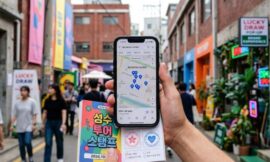
One of the biggest differences between Korean Boomers and Gen Z is their relationship with technology. Boomers adapted to technology later in life, learning to use smartphones, online banking, and social media gradually. Gen Z, on the other hand, grew up surrounded by digital devices and high-speed internet. They are comfortable navigating multiple apps, platforms, and online communities daily. This digital fluency shapes how Gen Z communicates, learns, and consumes information. While Boomers may prefer face-to-face interaction or phone calls, Gen Z often feels more comfortable expressing themselves through messaging, short videos, and social media platforms.
3. Communication Style
Communication styles often reflect generational values and social norms. Korean Boomers typically prefer formal communication, especially in professional settings. Respectful language and hierarchy remain very important in their conversations. Gen Z tends to communicate in a more casual and direct way. They often use slang, emojis, and internet culture references when interacting with friends or coworkers. This difference can sometimes lead to misunderstandings between generations. Boomers may interpret casual language as disrespectful, while Gen Z may see traditional communication styles as overly rigid. Learning to adapt communication styles can help bridge this generational gap.
4. Views on Work Life Balance
For many Korean Boomers, long working hours were once considered a sign of dedication and responsibility. Sacrificing personal time for career success was widely accepted and often expected. Gen Z places much greater emphasis on work-life balance. They value personal time, mental health, and hobbies outside of work. Many young Koreans actively seek jobs that offer flexible schedules or remote work options. While Boomers might view this shift as less commitment to work, Gen Z sees it as creating a healthier lifestyle that allows both productivity and personal fulfillment.
5. Career Expectations
Korean Boomers often believed that success meant securing a stable job at a large company or government institution. Climbing the corporate ladder step by step was the traditional career path. Gen Z has a broader view of career possibilities. Many young people are interested in entrepreneurship, content creation, or global opportunities that did not exist in previous generations. They are also more willing to switch industries or develop multiple skills throughout their careers. This flexible mindset reflects the rapidly changing economy and the influence of digital platforms that enable new types of work.
6. Education Perspectives
Education has always been important in Korean society, but each generation views it slightly differently. Korean Boomers often saw education as the primary path to financial security and social mobility. Attending a prestigious university was considered essential for long-term success. Gen Z still values education, but many also believe that practical skills and personal interests are equally important. Online learning platforms, global education opportunities, and alternative career paths have expanded their perspective. As a result, Gen Z may place less emphasis on traditional academic prestige and more focus on developing unique abilities.
7. Financial Priorities
Financial priorities also differ between Korean Boomers and Gen Z. Boomers often focus on saving money, buying property, and building long-term financial stability after experiencing economic uncertainty in earlier decades. Gen Z faces different financial realities, including high housing prices and a competitive job market. As a result, they sometimes prioritize experiences, travel, or personal development over traditional milestones like early home ownership. This does not mean Gen Z ignores financial planning, but their spending habits often reflect a desire to enjoy life while navigating modern economic challenges.
8. Social Values
Social values have evolved significantly in South Korea, leading to noticeable generational differences. Korean Boomers generally grew up in a society that emphasized collective values, respect for authority, and traditional family roles. Gen Z tends to embrace more individualistic values and is often more open to diverse lifestyles and viewpoints. Topics such as gender equality, mental health awareness, and personal identity are discussed more openly among younger Koreans. These evolving perspectives sometimes create tension between generations, but they also reflect the ongoing cultural transformation within modern Korean society.
9. Media Consumption Habits
Media consumption habits clearly illustrate generational change. Korean Boomers grew up watching television news, reading newspapers, and listening to radio broadcasts as their main sources of information. Gen Z primarily consumes content through smartphones, streaming platforms, and social media. Short-form videos, online communities, and influencer content shape how young people stay informed and entertained. Because of this shift, Gen Z often expects information to be quick, visual, and interactive. Boomers may prefer more detailed traditional media formats, which can create differences in how each generation interprets news and trends.
10. Perspectives on Success
Finally, the idea of success itself often differs between Korean Boomers and Gen Z. For Boomers, success traditionally meant financial stability, career advancement, and supporting a family. These goals reflected the priorities of a generation focused on rebuilding and economic growth. Gen Z tends to define success in more personal terms. Happiness, meaningful work, and freedom to pursue passions are increasingly important factors. While financial stability still matters, many young Koreans want their careers to align with their personal values and lifestyle goals rather than simply following traditional expectations.
Conclusion
The differences between Korean Boomers and Gen Z reflect the incredible speed of change in South Korea over the past several decades. From technology and career paths to communication styles and social values, each generation developed unique perspectives shaped by its historical environment. These differences sometimes create misunderstandings, but they also offer opportunities for learning and cooperation. By understanding how each generation thinks and experiences the world, families and workplaces can build stronger relationships. Ultimately, recognizing generational diversity can help Korean society continue evolving while respecting the experiences of both older and younger generations.
Frequently Asked Questions
What years define Korean Boomers and Gen Z?
Korean Boomers are generally people born between the mid-1950s and mid-1960s. Gen Z typically refers to those born from the late 1990s to the early 2010s. These groups grew up in very different social and technological environments in South Korea.
Why are generational differences strong in South Korea?
South Korea experienced rapid economic development, technological growth, and cultural shifts in just a few decades. Because of this fast transformation, people from different generations often have very different life experiences, which leads to noticeable differences in attitudes, behaviors, and expectations.
How does Gen Z view work differently from Boomers?
Gen Z often prioritizes flexibility, meaningful work, and personal well-being. Korean Boomers tend to emphasize loyalty, job stability, and long-term commitment to a single employer. These contrasting views reflect changes in economic conditions and workplace culture.
Do Korean Boomers use technology less than Gen Z?
Many Korean Boomers actively use smartphones and digital services today. However, Gen Z grew up with digital technology from childhood. This gives them a deeper familiarity with online platforms, social media trends, and fast-changing digital tools.
Is work-life balance more important to Gen Z?
Yes, work-life balance is generally more important to Gen Z. Many young Koreans prefer careers that allow personal time, hobbies, and mental health care. Boomers often grew up believing that long work hours were necessary for professional success.
How do media habits differ between the generations?
Korean Boomers often rely on television, newspapers, and traditional news sources. Gen Z mainly consumes content through smartphones, streaming services, and social media platforms, where information is delivered quickly and visually.
Do generational differences affect workplaces in Korea?
Yes, generational differences influence communication styles, management expectations, and workplace culture. Companies increasingly try to adapt policies that balance traditional values with the preferences of younger employees.
Are Korean Gen Z more individualistic?
Many observers believe Gen Z in Korea values individuality more than previous generations. Younger people often focus on personal goals, self-expression, and diverse lifestyles while still respecting important cultural traditions.
How do financial goals differ between Boomers and Gen Z?
Boomers often prioritized saving money, purchasing property, and building long-term financial security. Gen Z faces different economic conditions and may focus more on experiences, flexible careers, and personal development while managing financial challenges.
Can generational gaps be reduced?
Generational gaps can be reduced through communication, empathy, and understanding. When people learn about the historical and cultural experiences that shaped other generations, it becomes easier to respect different viewpoints and collaborate effectively.