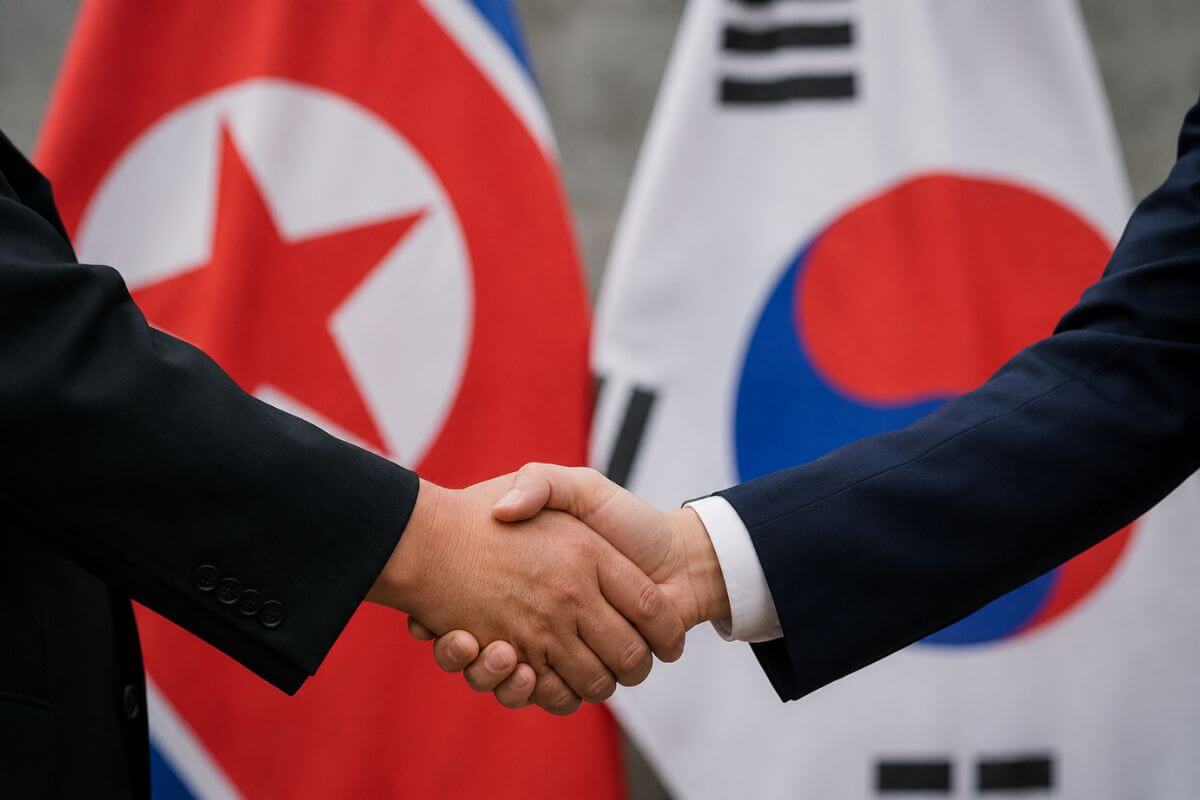
South Korea has gone from a war-torn nation to one of the most influential countries in global politics, culture, and technology. Along the way, the country has created diplomatic moments that surprised allies, rivals, and international observers alike. Some moments changed global security overnight. Others completely shifted how the world viewed the Korean Peninsula.
When you look back at modern history, you can see how Korean diplomacy often mixed bold risks, emotional symbolism, and high-stakes negotiations. From historic summits with North Korea to global peace efforts and trade battles, these events captured worldwide attention and sometimes shocked entire governments.
In this article, you will discover the top Korean diplomatic moments that made headlines across the globe and changed international relations in unforgettable ways.
Quick Summary Table 📊
| Rank | Diplomatic Moment | Why It Shocked the World | Global Impact |
|---|---|---|---|
| 1 | First Inter Korean Summit in 2000 | Leaders of North and South Korea met for the first time | Opened a new era of dialogue |
| 2 | 2018 Panmunjom Summit | Kim Jong Un crossed into South Korea | Reduced military tensions |
| 3 | South Korea Hosting the 1988 Olympics | North Korea boycott fears failed | Introduced modern Korea to the world |
| 4 | Korean Participation in Vietnam War | South Korea sent massive troop support | Strengthened US alliance |
| 5 | The Sunshine Policy | South Korea pursued engagement over confrontation | Changed diplomatic strategy |
| 6 | Korea Japan 2015 Comfort Women Deal | Long standing historical conflict reached temporary agreement | Triggered global debate |
| 7 | THAAD Missile Defense Deployment | China reacted aggressively | Sparked major economic retaliation |
| 8 | South Korea Joining Global Climate Leadership | Korea pushed green diplomacy aggressively | Elevated Korea’s global influence |
| 9 | The 2018 US North Korea Summit Setup | South Korea helped bring Trump and Kim together | Prevented possible conflict |
| 10 | Korea Becoming a Major Aid Donor | Former aid recipient became donor nation | Changed global perception of Korea |
How We Ranked These Diplomatic Moments 🧭
We ranked these events using several important factors:
- Global media attention
- Long-term political impact
- Influence on international relations
- Public reaction around the world
- Historical importance
- Risk involved for Korean leadership
- Economic and security consequences
- Symbolic value and emotional impact
1. The First Inter Korean Summit in 2000 🤝
For decades, the Korean Peninsula was one of the most dangerous and divided places on Earth. Then, in June 2000, South Korean President Kim Dae Jung met North Korean leader Kim Jong Il in Pyongyang. It was the first-ever summit between leaders of the two Koreas.
The image alone shocked the world. Many people believed meaningful dialogue between the two sides was impossible. Yet millions watched the leaders shake hands, smile, and speak openly.
This summit became the defining moment of the Sunshine Policy, which focused on engagement instead of hostility. Families separated by the Korean War were temporarily reunited, and hopes for peace rose dramatically.
You could feel a sudden change in the global mood. International leaders praised the effort, and Kim Dae Jung later received the Nobel Peace Prize.
Even though relations later became tense again, this summit permanently changed diplomatic expectations on the peninsula.
2. The 2018 Panmunjom Summit 🕊️
In April 2018, another unforgettable moment shocked the world. North Korean leader Kim Jong Un stepped across the military border into South Korea at the Joint Security Area in Panmunjom.
This was historic because no North Korean leader had ever crossed into the South since the Korean War armistice.
The symbolism was powerful. The two leaders held hands, walked together, and even planted a tree representing peace and cooperation.
At the time, tensions had been dangerously high because of North Korea’s missile tests and nuclear threats. Many experts feared military conflict was possible.
Then suddenly, diplomacy replaced threats.
The summit created hope that the Korean Peninsula might finally move toward peace. Even people who were skeptical admitted the moment was emotionally powerful and politically stunning.
3. South Korea Hosting the 1988 Seoul Olympics 🏅
Today, South Korea is seen as a global cultural and economic powerhouse. But in the 1980s, many countries still viewed it as politically unstable and dangerous because of tensions with North Korea.
Hosting the 1988 Seoul Olympics changed everything.
Many feared North Korea would sabotage the event or scare countries away from participating. There were serious security concerns, political protests, and Cold War tensions.
Instead, South Korea successfully hosted one of the most important Olympic Games in modern history.
The event introduced the world to a rapidly modernizing Korea. It also helped strengthen diplomatic ties with countries that previously had limited relations with Seoul.
For many international viewers, this was the first time they saw South Korea as a modern democracy with global ambitions.
The Olympics transformed Korea’s international image almost overnight.
4. South Korea’s Role in the Vietnam War ⚔️
One of the lesser-known but extremely important diplomatic moments came during the Vietnam War.
South Korea sent hundreds of thousands of troops to support the United States and South Vietnam. After the US, South Korea provided one of the largest foreign military contributions.
This shocked many countries because South Korea itself was still rebuilding after the Korean War. Yet it took a major role in an overseas conflict far from home.
The decision strengthened the alliance between Seoul and Washington. In return, South Korea received economic and military support that helped accelerate industrial growth.
This partnership became one of the foundations of modern Korea’s economic rise.
At the same time, the move remains controversial because of wartime violence and political tensions connected to the conflict.
Still, diplomatically, it was a turning point that showed South Korea was becoming an active international player rather than just a country needing protection.
5. The Sunshine Policy Changed Korean Diplomacy ☀️
Before the late 1990s, most South Korean governments focused heavily on pressure and containment toward North Korea.
Then came the Sunshine Policy.
Instead of isolation, South Korea pursued cooperation through economic projects, tourism, and dialogue. This strategy surprised many foreign governments because it represented a dramatic shift in thinking.
Projects like the Kaesong Industrial Complex brought businesses from both Koreas together. Tourist programs allowed South Koreans to visit Mount Kumgang in North Korea.
Supporters believed engagement could slowly reduce hostility and build trust.
Critics argued North Korea was taking advantage of the policy.
No matter which side people supported, the policy completely changed global conversations about the Korean Peninsula.
It proved South Korea was willing to try a diplomatic path that many thought was unrealistic.
6. The 2015 Comfort Women Agreement with Japan 🧳
Relations between South Korea and Japan have often been tense because of historical issues linked to Japan’s colonial rule over Korea.
One of the most emotional issues involved comfort women, referring to Korean women forced into sexual slavery during World War II.
In 2015, South Korea and Japan announced what they called a final agreement on the issue. Japan offered an apology and financial support to surviving victims.
The announcement shocked many people because the issue had damaged relations for decades.
International observers hoped the deal would finally improve cooperation between the two major US allies in Asia.
However, the agreement also triggered major backlash inside South Korea. Many people believed the victims were not properly consulted and that the apology was insufficient.
The controversy showed how deeply history continues to shape East Asian diplomacy.
7. The THAAD Missile Defense Crisis 🛡️
When South Korea agreed to deploy the American THAAD missile defense system in 2016, the reaction from China was immediate and intense.
China argued the system threatened its own security interests. South Korea insisted the system was necessary to defend against North Korean missile threats.
What shocked the world was how quickly the dispute escalated economically and diplomatically.
Chinese tourism to Korea dropped sharply. Korean companies operating in China faced pressure. Cultural exports such as Korean entertainment also experienced restrictions.
This moment demonstrated how economic power could be used as diplomatic retaliation.
For many countries, the crisis became an important lesson about balancing security alliances and economic dependence.
South Korea suddenly found itself caught between the United States and China during a growing geopolitical rivalry.
8. South Korea’s Rise as a Climate Diplomacy Leader 🌱
South Korea surprised many observers by becoming increasingly active in global climate diplomacy.
For years, the country was known mainly for manufacturing, technology, and exports. Then Korea began promoting green energy investments, carbon reduction goals, and international environmental partnerships.
The Korean Green New Deal drew global attention because it aimed to combine economic growth with environmental sustainability.
South Korea also hosted major climate-related events and increased cooperation with international organizations.
This diplomatic shift mattered because it showed Korea expanding its influence beyond regional security issues.
Instead of only reacting to North Korea or regional tensions, South Korea started shaping global discussions about the future of energy and sustainability.
That represented a major transformation in Korea’s international role.
9. South Korea Helped Bring the US and North Korea Together 🚪
In 2017, many experts feared war between the United States and North Korea.
Missile tests, nuclear threats, and aggressive rhetoric created an extremely dangerous atmosphere. Then South Korea stepped into the middle as a diplomatic bridge.
South Korean officials played a critical role in helping arrange the historic meeting between US President Donald Trump and North Korean leader Kim Jong Un in 2018.
This shocked the world because relations had looked hopeless only months earlier.
South Korea used careful diplomacy, back-channel communication, and personal engagement to reduce tensions.
For a brief period, the possibility of military conflict decreased dramatically.
Even though later negotiations struggled, South Korea’s role as mediator earned global recognition and showed how middle powers can influence major international events.
10. South Korea Became a Global Aid Donor 💡
One of the most surprising diplomatic transformations in modern history is South Korea’s journey from aid recipient to major donor nation.
After the Korean War, South Korea relied heavily on foreign assistance to survive and rebuild.
Today, Korea provides development aid, disaster relief, infrastructure support, and educational programs to countries around the world.
This transformation shocked many international observers because few countries have risen economically as quickly as South Korea.
Korea now shares development strategies with emerging economies and participates actively in global humanitarian efforts.
This change also strengthened Korea’s diplomatic influence by allowing it to build partnerships across Asia, Africa, and beyond.
The story became a symbol of national recovery and international cooperation.
Conclusion 🌐
South Korea’s diplomatic history is filled with moments that changed global politics, surprised world leaders, and reshaped international expectations.
From peace summits with North Korea to major global partnerships and difficult geopolitical disputes, Korea has repeatedly shown that diplomacy on the peninsula can affect the entire world.
What makes these moments especially powerful is the combination of risk, emotion, and symbolism behind them. Korea’s leaders often faced enormous pressure while navigating relationships with powerful countries like the United States, China, Japan, and North Korea.
When you study these diplomatic moments, you can better understand why South Korea holds such an important place in modern international affairs.
The country’s future diplomatic moves will likely continue attracting worldwide attention for many years to come.
Frequently Asked Questions ❓
Why is Korean diplomacy so important globally?
Korean diplomacy matters because the Korean Peninsula sits between major global powers, including China, Japan, Russia, and the United States. Security issues involving North Korea also affect international stability and nuclear policy worldwide.
What was the most emotional diplomatic moment in Korean history?
Many people consider the inter-Korean summits among the most emotional moments because families divided by war were reunited and leaders from both Koreas publicly discussed peace after decades of hostility.
Why did the THAAD dispute become such a major issue?
The dispute became major because it involved both military security and economic retaliation. It highlighted the growing competition between the United States and China while placing South Korea in a difficult strategic position.
Has South Korea always had a strong diplomatic influence?
No. After the Korean War, South Korea was relatively poor and politically unstable. Its diplomatic influence grew gradually as the country became economically powerful and culturally influential.
Could future Korean diplomacy reshape global politics again?
Yes. Issues involving North Korea, global trade, technology, climate policy, and regional security mean South Korea will likely remain one of the most important diplomatic players in Asia.