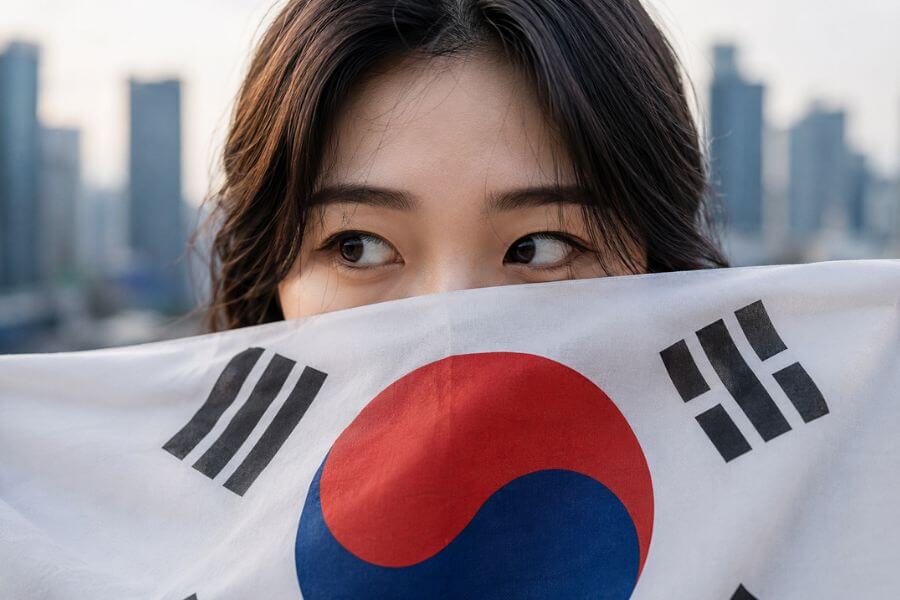
If you have never visited South Korea, chances are you have heard some strange ideas about the country. Many people think every Korean is obsessed with K-pop, works nonstop, or lives in a futuristic city filled with robots. While South Korea is modern and unique in many ways, a lot of these popular beliefs are either exaggerated or completely false.
The truth is that South Korea is a diverse country with different lifestyles, personalities, traditions, and opinions. Just like anywhere else, what you see online often shows only a small part of daily life. In this guide, you will discover the biggest myths about South Korea that many people still believe and learn what life there is actually like.
Quick Summary Table 📋
| Myth | Reality |
|---|---|
| Everyone loves K-pop | Many Koreans enjoy different music genres |
| Koreans never sleep because they work constantly | Work culture is intense for some, but balance is improving |
| Every Korean looks like a K-drama star | Beauty standards exist, but people look diverse |
| Everyone gets plastic surgery | Cosmetic procedures are common but not universal |
| Korea is only Seoul | The country has many different cities and rural areas |
| Koreans eat spicy food all the time | There are many mild dishes too |
| Everyone is rich and high-tech | Income levels and lifestyles vary widely |
| Korean society is cold to foreigners | Many locals are welcoming and curious |
| Korean students study 24 hours a day | Education pressure exists, but students still have hobbies and social lives |
| Traditional culture disappeared | Traditions are still deeply respected and celebrated |
How We Ranked These Myths 🔍
We ranked these myths based on several important factors:
- How often people repeat the myth online
- How misleading the myth actually is
- The gap between perception and reality
- How much Korean daily life is misunderstood
- Influence from K-pop, K-dramas, and social media
- Cultural misunderstandings from tourists and media
- Real experiences shared by locals and foreigners living in Korea
1. Everyone in South Korea Is Obsessed With K-pop 🎵
One of the biggest myths about South Korea is that every person there spends their day listening to K-pop and following idol groups. While K-pop is globally famous, many Koreans are not deeply interested in it at all.
Just like in America, music tastes vary. Some people love hip-hop, indie music, ballads, rock, jazz, or international artists. Older generations may barely follow idol groups. Even younger people sometimes prefer Western music or local underground artists instead of mainstream K-pop.
K-pop is a huge export industry, but it does not completely define the average Korean person. Many locals actually feel surprised when foreigners assume they all know every idol group or dance trend.
You will definitely see K-pop influence in fashion, entertainment, and advertising, but daily life in Korea is much broader than music fandom culture.
2. Koreans Never Rest Because They Work All the Time 💼
South Korea has a reputation for an intense work culture, and there is truth behind that. Long office hours have historically been common. However, many people exaggerate this idea and assume every Korean works nonstop without enjoying life.
In reality, younger generations are pushing back against unhealthy work habits. More companies are encouraging work-life balance, flexible schedules, and mental health awareness. Cafes, travel, fitness, gaming, and hobbies are extremely popular among Koreans today.
You will also notice how important weekends, holidays, and social gatherings are. Many people spend evenings with friends, family, or relaxing activities after work.
The country still faces work culture challenges, but the image of every Korean being constantly exhausted is outdated and overly dramatic.
3. Every Korean Looks Like a K-drama Celebrity ✨
K-dramas often show actors with flawless skin, perfect fashion, and highly polished appearances. This creates the false idea that everyone in South Korea looks like a celebrity.
The reality is simple. Koreans look incredibly diverse, just like people in every country. Some people care deeply about fashion and skincare, while others dress casually and live very ordinary lives.
The television and entertainment industries naturally focus on attractive celebrities because appearance is part of the business. That does not reflect the average person walking through Seoul, Busan, or smaller towns.
You will see students wearing hoodies, office workers looking tired after long commutes, and older people focused more on comfort than style. Korea has beauty trends, but real life is far less glamorous than dramas make it seem.
4. Everyone Gets Plastic Surgery 💉
South Korea is famous for cosmetic surgery, especially in areas like Gangnam. Because of this, many people assume almost everyone has had procedures done.
While cosmetic surgery is more normalized in Korea compared to some countries, most Koreans have not undergone major surgery. Some people may try smaller cosmetic treatments like skincare procedures or minor enhancements, but the idea that “everyone had surgery” is completely false.
Social pressure regarding appearance does exist, especially for job interviews or entertainment careers. However, many people are comfortable with natural looks and have no interest in surgery.
This myth also ignores the role of makeup, skincare, lighting, photography filters, and editing in creating polished online appearances.
5. South Korea Is Basically Just Seoul 🏙️
Many foreigners only know Seoul, so they assume the entire country looks and feels the same. In reality, South Korea has many different regions with unique personalities.
Busan has a relaxed coastal atmosphere with beaches and seafood culture. Jeonju is known for traditional Korean food and hanok villages. Jeju Island feels almost like a tropical escape with volcanic landscapes and slower living.
Smaller towns and countryside areas can feel very different from Seoul’s fast pace. You will find mountains, farms, fishing villages, temples, and quiet neighborhoods far away from skyscrapers and crowded subway stations.
Thinking that Korea is only Seoul is like thinking America is only New York City.
6. Koreans Only Eat Extremely Spicy Food 🌶️
Kimchi and spicy noodles often dominate Korean food content online, leading many people to believe every Korean dish burns your mouth.
The truth is that Korean cuisine includes plenty of mild and comforting foods. Dishes like samgyetang, japchae, kimbap, galbitang, and many soups are not overwhelmingly spicy.
Even kimchi itself comes in different spice levels depending on the region and preparation style.
Many Koreans enjoy spicy food, but not everyone has a super high spice tolerance. Some locals avoid spicy dishes completely, especially younger children and older adults.
Korean food is actually known for balancing flavors like savory, sweet, salty, fermented, and umami rather than relying only on heat.
7. Everyone in Korea Is Rich and Lives in a Futuristic Apartment 🤖
Because South Korea is technologically advanced, some people imagine the country as a perfect futuristic paradise where everyone is wealthy and surrounded by robots.
South Korea is modern, fast, and highly connected, but it still has economic inequality, housing concerns, and financial struggles like any developed nation.
Some people live in luxury apartments, while others face expensive rent and stressful job markets. Young adults especially talk openly about rising living costs and career pressure.
Technology is widely available, but daily life still includes normal routines like grocery shopping, commuting, studying, cooking, and paying bills. Korea may have impressive innovation, but people there still deal with ordinary human challenges.
8. Koreans Are Cold or Unfriendly to Foreigners 🤝
Some visitors believe Koreans are distant because public manners can feel quieter or less openly expressive compared to Western cultures.
However, many foreigners living in Korea say locals are often helpful, respectful, and curious once conversations begin. Cultural differences in communication styles sometimes create misunderstandings.
For example, people may not smile constantly at strangers, but they may still go out of their way to help someone lost on the subway or struggling with directions.
Younger generations, especially, tend to be globally connected and interested in meeting people from different backgrounds.
Like any country, experiences vary depending on location, language ability, and individual personalities. But the stereotype that Koreans are automatically unfriendly is unfair.
9. Korean Students Study Every Second of the Day 📚
South Korea’s education system is known for being competitive, which has created the image that Korean students never relax or enjoy life.
Yes, many students spend long hours studying, especially during important exam periods. Private academies and academic pressure are real parts of Korean society.
But students are still people with hobbies, friendships, gaming interests, sports activities, and social lives. Many enjoy cafes, music, online content, travel, and entertainment just like students anywhere else.
Social media often highlights extreme study schedules because they look shocking or dramatic, but they do not represent every student in the country.
10. Traditional Korean Culture Disappeared 🏯
Because South Korea is modern and tech-focused, some people think traditional culture no longer matters there.
Actually, traditional customs remain deeply important in Korean society. Holidays like Chuseok and Seollal are still widely celebrated with family gatherings, traditional food, and cultural rituals.
Hanbok clothing appears during festivals, weddings, and special events. Traditional markets continue operating alongside modern shopping malls. Historic palaces and temples are carefully preserved and actively visited.
Respect for elders, family traditions, and cultural etiquette also continue influencing daily life even among younger generations.
South Korea blends modern innovation with strong historical identity better than many people realize.
Conclusion 🇰🇷
South Korea is one of the most misunderstood countries online. K-dramas, viral videos, and social media trends often show only the most dramatic or glamorous side of life there. While some stereotypes contain small pieces of truth, many become wildly exaggerated over time.
The real South Korea is far more balanced, diverse, and human than internet myths suggest. It is a country where modern technology exists beside ancient traditions, where people have different personalities and opinions, and where daily life is much more normal than outsiders often imagine.
The more you learn about Korea beyond entertainment headlines, the more interesting and relatable the country becomes.
Frequently Asked Questions ❓
Is South Korea safe for tourists?
Yes, South Korea is generally considered very safe for tourists. Public transportation is reliable, streets are usually clean, and violent crime rates are relatively low compared to many countries.
Do most Koreans speak English?
English education is common in schools, but fluency levels vary. Younger people in major cities are often more comfortable with basic English, while smaller towns may have fewer English speakers.
Is Korean food healthy?
Many Korean meals include vegetables, fermented foods, soups, rice, and balanced side dishes. However, like every cuisine, some dishes are healthier than others.
Are K-dramas realistic?
K-dramas often exaggerate romance, fashion, wealth, and beauty for entertainment purposes. Real life in Korea is usually much less dramatic than television shows.
Can foreigners comfortably live in South Korea?
Many foreigners enjoy living in South Korea because of the convenience, transportation, food, and safety. However, adapting to language barriers and cultural differences can still take time.