South Korea is famous for fast internet, modern cities, and stylish cafes, but its libraries deserve just as much attention. Across the country, libraries are becoming cultural landmarks with bold architecture, creative interiors, and peaceful spaces that feel more like art museums than reading rooms. Whether you love photography, design, books, or quiet places to relax, these libraries offer experiences you will remember long after your visit.
Some are hidden inside futuristic buildings, while others blend nature, glass, wood, and light in beautiful ways. Many also include cafés, rooftop spaces, exhibition halls, and digital media zones that make them appealing even if you are not a regular reader.
If you are planning a trip to South Korea or simply want to explore impressive architecture, these Korean libraries are absolutely worth adding to your list.
Quick Summary Table 🏛️
| Rank | Library | Location | Architectural Style | Best Feature |
|---|---|---|---|---|
| 1 | Starfield Library | Seoul | Open atrium modern design | Music-focused interior |
| 2 | Seoul Book Repository | Seoul | Industrial reuse architecture | Book tunnel and warehouse atmosphere |
| 3 | National Library of Korea | Seoul | Monumental modernism | Grand reading halls |
| 4 | Hyundai Card Music Library | Seoul | Minimal contemporary | Curved eco-friendly design |
| 5 | Busan Library | Busan | Ocean-inspired architecture | Nature-integrated structure |
| 6 | Forest of Wisdom | Paju | Warm industrial style | Endless stacked bookshelves |
| 7 | Songdo International City Library | Incheon | Futuristic glass design | Smart digital spaces |
| 8 | Cheongju Public Library | Cheongju | Artistic child-friendly design | Peaceful garden surroundings |
| 9 | Eunpyeong Hanok Library | Seoul | Traditional Korean architecture | Beautiful hanok structure |
| 10 | Jeju Miracle Library | Jeju | Artistic child friendly design | Creative colorful spaces |
How We Ranked These Libraries 🎯
We selected these Korean libraries based on several important factors that make them stand out beyond their book collections.
- Unique and visually impressive architecture
- Creative use of interior space and lighting
- Visitor experience and atmosphere
- Cultural importance and popularity
- Photography appeal
- Blend of modern and traditional Korean design
- Accessibility for travelers
- Innovative reading and community spaces
- Integration with nature or urban surroundings
- Overall memorability
1. Starfield Library, Seoul 🌟
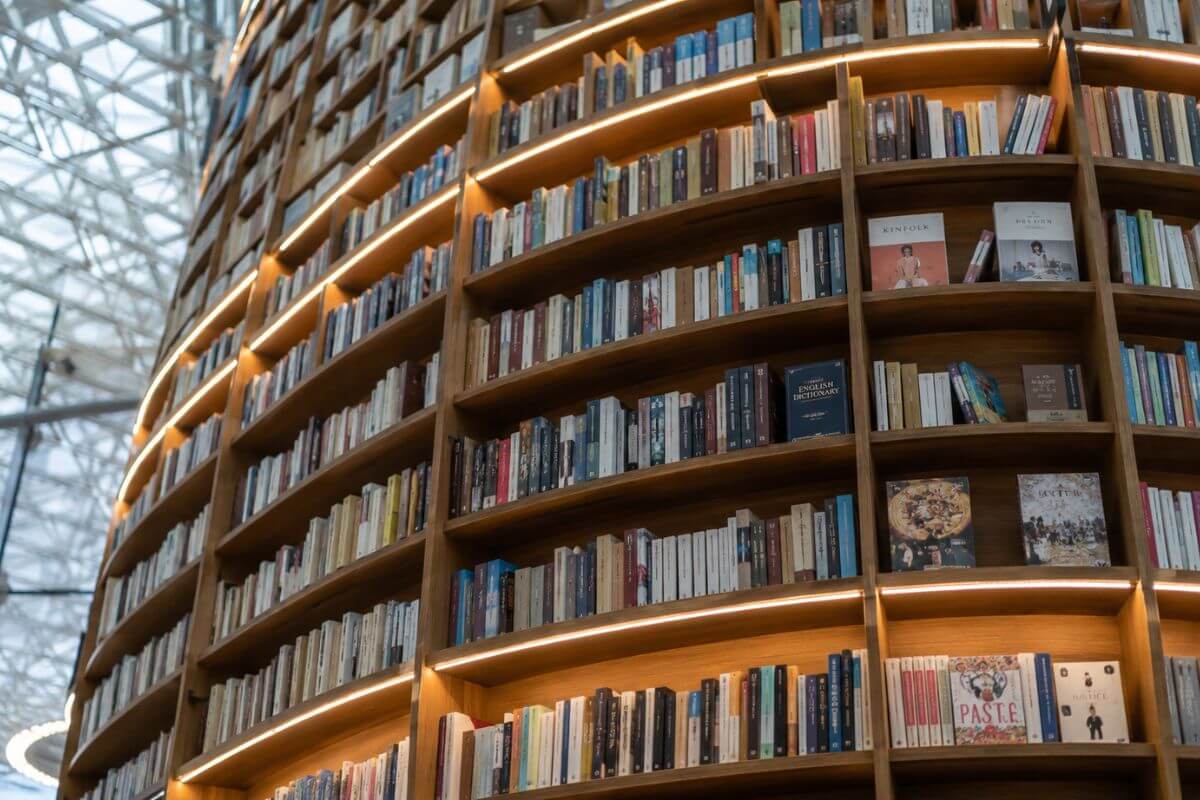
Located inside the famous COEX Mall in Seoul, the Starfield Library is probably the most photographed library in South Korea. The moment you walk in, your eyes immediately go upward toward the giant bookshelves stretching nearly to the ceiling. The open public atrium creates a dramatic effect that feels both futuristic and welcoming.
Natural light pours through the massive glass ceiling during the day, while warm lighting transforms the space into something magical at night. The library sits right in the middle of a busy shopping complex, which makes the peaceful atmosphere even more surprising.
You do not need to be a serious reader to enjoy this place. Many visitors simply relax, take photos, or enjoy the quiet energy around them. The combination of modern architecture, clean lines, and towering shelves gives the library a cinematic look that has become iconic online.
The location also makes it easy to pair your visit with shopping, dining, and nearby attractions in Gangnam.
2. Seoul Book Repository, Seoul 📖
The Seoul Book Repository is one of the most unique libraries in the country because it transformed an old warehouse into a stylish cultural space. Instead of hiding its industrial roots, the design embraces them with exposed structures, open ceilings, and warehouse textures.
Rows of used books create endless visual patterns that feel cozy and artistic at the same time. One of the biggest highlights is the famous book tunnel, where shelves curve around visitors and create a dreamlike atmosphere for photos.
Unlike polished luxury libraries, this space feels raw, creative, and deeply personal. The architecture reflects the idea of giving books a second life, which adds emotional warmth to the experience.
If you enjoy industrial interiors and hidden cultural gems, this library should be high on your list.
3. National Library of Korea, Seoul 🏢
The National Library of Korea combines large-scale modern architecture with a calm academic atmosphere. The exterior looks formal and powerful, while the interior balances elegance with functionality.
Huge reading rooms, tall windows, and wide open spaces create a feeling of importance without feeling intimidating. The design focuses heavily on symmetry, natural light, and quiet comfort.
One of the most impressive things about this library is how spacious it feels. Even during busy times, the architecture creates a sense of calm through thoughtful layouts and high ceilings.
The library also includes exhibitions, archives, and research spaces that make it more than just a place for books. It feels like a national cultural center designed to inspire concentration and curiosity.
4. Hyundai Card Music Library, Seoul 🎵
Music lovers and architecture fans will appreciate the sleek design of the Hyundai Card Music Library. Unlike traditional libraries, this one focuses heavily on music culture, vinyl records, and audio experiences.
The architecture is minimal and stylish, with dark tones, carefully placed lighting, and modern materials that create a premium atmosphere. Every detail feels intentional, from the shelving layout to the listening stations.
The space has a cool urban personality that reflects Seoul’s creative scene. Instead of overwhelming visitors with size, the library focuses on intimacy and mood.
You can spend hours browsing records, enjoying the calm atmosphere, and admiring how the design blends culture with functionality. It feels closer to a luxury design studio than a traditional public library.
5. Busan Library, Busan 🌊
The Busan Library stands out with its flowing curves and environmentally friendly design. Inspired by the nearby sea, the building uses smooth lines and open spaces to create movement throughout the structure.
Large windows allow natural light to flood the interior, while outdoor green spaces soften the modern architecture. The result is a library that feels connected to nature instead of separated from it.
Inside, the reading areas are spacious and relaxing. The architecture encourages visitors to slow down and enjoy the environment rather than rush through it.
Busan itself already has a more relaxed coastal atmosphere compared to Seoul, and this library perfectly captures that feeling through its design.
6. Forest of Wisdom, Paju 🌲
Located in Paju Book City, the Forest of Wisdom is famous for its endless walls of books stacked from floor to ceiling. The name fits perfectly because the shelves truly feel like a forest made of literature.
The architecture combines industrial simplicity with warm wooden textures that create a welcoming atmosphere. Long communal tables and soft lighting make the space feel peaceful and thoughtful.
Unlike flashy modern libraries, Forest of Wisdom impresses visitors through scale and mood. The towering bookshelves create a sense of wonder without relying on futuristic technology.
Writers, students, photographers, and travelers all gather here because the environment encourages creativity and quiet reflection.
7. Songdo International City Library, Incheon 🚀
The Songdo International City Library reflects the futuristic identity of Songdo itself. Surrounded by modern skyscrapers and smart city technology, the library embraces sleek glass architecture and digital innovation.
The building feels bright, open, and highly modern. Transparent walls and geometric designs create a clean visual experience that matches the advanced urban environment around it.
Inside, digital media spaces and smart technology blend naturally with traditional reading areas. The architecture supports flexibility, collaboration, and modern learning styles.
If you enjoy futuristic cities and contemporary design, this library offers a glimpse into how public spaces may continue evolving in the future.
8. Cheongju Public Library, Cheongju 🍃
The Cheongju Public Library takes a softer architectural approach by blending modern design with natural surroundings.
Large windows frame outdoor greenery, while the interior uses warm materials and comfortable layouts that make the space feel calm and approachable. Instead of dramatic visual effects, the architecture focuses on emotional comfort and balance.
Quiet corners, garden views, and natural lighting create an atmosphere perfect for reading or relaxing. The building proves that impressive architecture does not always need to feel grand or futuristic.
Visitors often describe the space as healing because of its peaceful environment and connection to nature.
9. Eunpyeong Hanok Library, Seoul 🏯
For a completely different architectural experience, the Eunpyeong Hanok Library showcases beautiful traditional Korean design.
Built in the hanok style, the library features wooden beams, curved roofs, and elegant open spaces inspired by historical Korean homes. The combination of books and traditional architecture creates a deeply cultural atmosphere.
The surrounding mountain scenery makes the experience even more memorable. During different seasons, the library changes character through shifting colors and natural light.
This library offers one of the best opportunities to experience Korean tradition in a peaceful and modern public space.
10. Jeju Miracle Library, Jeju 🎨
The Jeju Miracle Library proves that library architecture can also be playful and imaginative.
Designed with children and families in mind, the building uses creative shapes, colorful spaces, and artistic details that encourage curiosity. The design avoids feeling childish by balancing creativity with clean modern aesthetics.
The library’s layout encourages exploration, making visitors feel like they are discovering hidden spaces throughout the building. Bright lighting and artistic interiors create a cheerful atmosphere that stands out from more formal libraries.
Located on Jeju Island, the library also benefits from the island’s relaxed and artistic culture.
Conclusion ✨
South Korea’s libraries are no longer just quiet places filled with books. They have become cultural landmarks where architecture, creativity, and community come together in exciting ways.
From futuristic glass buildings in Songdo to traditional hanok structures in Seoul, each library on this list offers something unique. Some impress through massive scale, while others focus on warmth, creativity, or peaceful integration with nature.
Whether you are a traveler, photographer, architecture lover, or simply someone looking for beautiful spaces to explore, these Korean libraries are worth visiting even if you never open a book. They show how thoughtful design can completely transform everyday public spaces into unforgettable experiences.
Frequently Asked Questions ❓
Are Korean libraries free to enter?
Most public libraries in South Korea are completely free to enter. You can usually walk in, explore the architecture, and relax in reading areas without needing a membership.
Which Korean library is best for photography?
Many people consider Starfield Library the best for photography because of its giant bookshelves and dramatic lighting. Forest of Wisdom is also extremely popular for aesthetic photos.
Can tourists borrow books from Korean libraries?
In many cases, tourists can read books inside the library but may need a local library card or a Korean address to borrow items and take them outside.
What is the best time to visit Korean libraries?
Weekday mornings are usually the quietest times. Visiting during daylight hours also allows you to enjoy the natural lighting and architecture more fully.
Are there traditional style libraries outside Seoul?
Yes, several cities across South Korea feature libraries inspired by traditional Korean architecture. However, Eunpyeong Hanok Library remains one of the most famous examples.