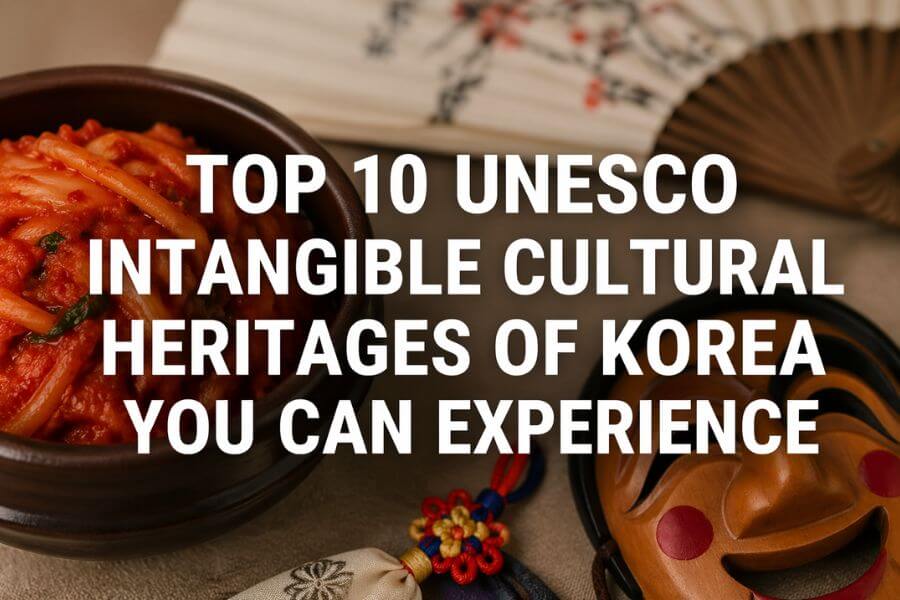
Korea is not only known for its modern cities and K-pop culture, but also for its deep traditions that are still alive today. Many of these traditions are recognized by UNESCO as Intangible Cultural Heritage, which means they are important cultural practices passed down through generations. The best part is that you do not just have to read about them. You can actually experience them yourself when you visit Korea. From music and dance to food and festivals, these cultural treasures give you a unique way to connect with Korean history and everyday life. In this guide, you will discover ten UNESCO intangible cultural heritages of Korea that you can experience firsthand, along with simple tips on how to enjoy each one.
1. Kimjang (Kimchi Making Tradition)
Kimjang is the traditional process of making kimchi together, usually in late autumn before winter begins. This practice is about more than just food. It is about community, sharing, and preparing for the cold months ahead. When you join a kimjang experience, you will work with others to salt napa cabbage, mix spicy seasoning, and pack the kimchi into containers. Many cultural centers and local villages offer hands-on programs where you can learn each step. You will also understand how families pass down their unique recipes. This is one of the easiest and most fun cultural activities you can try in Korea.
- Best time: November to early December
- What to expect: Hands-on cooking, group activity
- Why it is special: Strong sense of community
2. Pansori (Traditional Musical Storytelling)
Pansori is a powerful form of musical storytelling performed by a singer and a drummer. The singer uses expressive voice techniques to tell long stories filled with emotion, humor, and drama. Even if you do not understand Korean, you can still feel the energy and passion of the performance. You can watch pansori shows at traditional theaters or cultural festivals. Some programs even allow you to try basic vocal techniques and learn how the rhythm works. It is an unforgettable way to experience Korean performing arts.
- Best place: Seoul traditional theaters
- What to expect: Live storytelling with music
- Why it is special: Deep emotional connection
3. Gangneung Danoje Festival
The Gangneung Danoje Festival is one of Korea’s oldest traditional festivals. It takes place in early summer and includes rituals, performances, games, and food. You can watch masked dances, try traditional wrestling, and even take part in folk games. The festival celebrates health, harvest, and protection from bad luck. It is lively and colorful, making it perfect if you want to experience traditional Korean culture in a festive setting.
- Best time: Late May to June
- What to expect: Festival atmosphere, performances
- Why it is special: One of the oldest Korean traditions
4. Arirang (Traditional Korean Folk Song)
Arirang is one of the most famous Korean folk songs, known for its simple melody and emotional lyrics. There are many versions of Arirang, each with its own regional style. You can hear it performed at cultural events, concerts, and even in modern adaptations. Some programs allow visitors to learn and sing Arirang together, which is a meaningful way to connect with Korean identity. It is a simple but powerful cultural experience.
- Where to hear it: Festivals, cultural shows
- What to expect: Group singing, emotional music
- Why it is special: Symbol of Korean identity
5. Talchum (Mask Dance Drama)
Talchum is a traditional mask dance that combines humor, satire, and social commentary. Performers wear colorful masks and act out stories that often criticize society in a playful way. Watching a talchum performance is entertaining and easy to follow, even if you do not understand every word. Some cultural villages offer workshops where you can try wearing a mask and learn basic dance moves. It is both fun and educational.
- Best place: Andong Hahoe Village
- What to expect: Dance, acting, comedy
- Why it is special: A mix of art and social message
6. Namsadang Nori (Traditional Traveling Performers)
Namsadang Nori is a traditional performance that includes acrobatics, music, puppetry, and dance. It was originally performed by traveling groups who entertained people in villages. Today, you can watch these performances at cultural festivals and special venues. The shows are lively and interactive, often involving the audience. If you enjoy energetic performances, this is something you should not miss.
- What to expect: Acrobatics and live music
- Best for: Families and groups
- Why it is special: High energy and variety
7. Royal Court Music (Jongmyo Jeryeak)
Jongmyo Jeryeak is traditional royal court music performed during ancestral rituals at Jongmyo Shrine in Seoul. The music is slow, calm, and deeply respectful. Watching this ceremony gives you a glimpse into Korea’s royal past and Confucian traditions. The performance usually includes musicians, dancers, and ritual elements. It is a more formal experience, but very meaningful if you are interested in history.
- Best place: Jongmyo Shrine
- What to expect: Ritual music and ceremony
- Why it is special: Connection to royal heritage
8. Jeju Haenyeo (Female Divers Culture)
The Haenyeo are female divers from Jeju Island who collect seafood without using oxygen tanks. This tradition shows strength, independence, and respect for nature. You can visit Jeju to watch haenyeo at work or learn about their lifestyle at museums and cultural centers. Some programs even offer safe diving experiences inspired by their techniques. It is a unique cultural heritage that you can only find in Korea.
- Best place: Jeju Island
- What to expect: Cultural tours and demonstrations
- Why it is special: Strong female-led tradition
9. Ssireum (Traditional Korean Wrestling)
Ssireum is a traditional form of wrestling that has been practiced in Korea for centuries. It is usually performed during festivals and special events. The goal is to throw your opponent to the ground using strength and technique. Watching a match is exciting, and some places allow visitors to try it in a safe and guided environment. It is a fun way to experience traditional sports.
- Where to see it: Festivals and competitions
- What to expect: Physical sport, live matches
- Why it is special: Combines strength and tradition
10. Traditional Korean Tea Culture
Korean tea culture focuses on calmness, respect, and mindfulness. Participating in a tea ceremony allows you to slow down and enjoy the moment. You will learn how to prepare tea properly, how to serve it, and how to appreciate its taste. Many tea houses and cultural centers offer tea ceremony experiences. It is a peaceful activity that contrasts with the busy city life.
- Best place: Traditional tea houses
- What to expect: Calm and relaxing experience
- Why it is special: Focus on mindfulness
Conclusion
Korea’s UNESCO intangible cultural heritage offers you more than just sightseeing. It allows you to truly experience the country’s traditions, values, and way of life. Whether you are making kimchi, watching a mask dance, or enjoying a tea ceremony, each activity gives you a deeper understanding of Korean culture. These experiences are not only educational but also memorable and fun. When you plan your trip to Korea, try to include at least a few of these cultural activities. You will leave with a stronger connection to the country and stories that you will remember for years.
Frequently Asked Questions
Do I need to book cultural experiences in advance?
Yes, it is recommended to book in advance, especially for popular activities like kimchi making or tea ceremonies. This ensures you get a spot and helps you plan your schedule better.
Are these experiences suitable for beginners?
Most cultural programs are designed for beginners and tourists. You do not need any prior knowledge, and guides will explain everything step by step.
Can I experience these traditions all year round?
Some experiences are available all year, such as tea ceremonies and performances, while others, like festivals and kimjang, are seasonal. It is best to check the timing before your visit.
Are these activities family-friendly?
Yes, many of these cultural experiences are suitable for families. Activities like festivals, mask dances, and kimchi making are especially enjoyable for children.
Do I need to speak Korean to enjoy these experiences?
No, many programs offer English support or simple instructions. Even without language skills, you can still enjoy the visual, musical, and hands-on aspects of the culture.