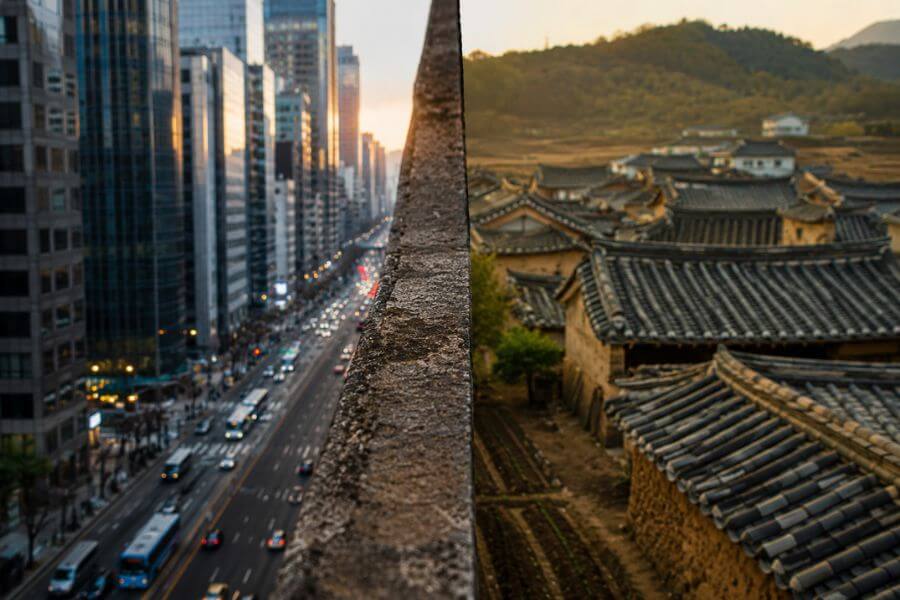
If you spend time in both Seoul and rural Korea, you quickly notice that they can feel like two completely different worlds. Seoul moves fast, stays busy late into the night, and follows modern global trends almost instantly. Rural Korea, on the other hand, often feels slower, quieter, and more connected to tradition and community life.
These cultural differences are not about one place being better than the other. They simply reflect different lifestyles, priorities, and histories. As you travel through Korea, understanding these differences can help you connect more deeply with people and avoid culture shock.
In this guide, you will discover the 10 biggest cultural differences between Seoul and rural Korea and learn what makes each side of Korean life so unique.
Quick Summary Table 🗺️
| Cultural Difference | Seoul | Rural Korea |
|---|---|---|
| Lifestyle Speed | Fast and competitive | Relaxed and slower paced |
| Community Culture | More individual focused | Strong community bonds |
| Public Transportation | Highly advanced | Limited and less frequent |
| Fashion Trends | Trend driven | More practical clothing |
| Dining Habits | Quick meals and delivery culture | Home cooking and shared meals |
| Social Expectations | More private lifestyle | Greater social involvement |
| Housing Style | Apartments dominate | Traditional homes and houses |
| Work Culture | Career centered | Agriculture and local business focused |
| Nightlife | Active late night scene | Quiet evenings |
| Traditions | Modernized lifestyle | Stronger traditional customs |
How We Ranked These Differences 🔍
We ranked these cultural differences based on several important factors:
- How noticeable the differences are for visitors
- Daily lifestyle habits and routines
- Communication and social behavior
- Food, transportation, and housing patterns
- Traditional versus modern influences
- Experiences shared by locals and travelers
- Long-term cultural and historical impact
- Differences that affect everyday life the most
1. The Pace of Life Feels Completely Different 🚄
One of the first things you notice is how fast Seoul feels. People walk quickly, subway stations stay crowded, and schedules are tightly packed. In Seoul, efficiency matters a lot. You may feel pressure to move faster just to keep up with the crowd.
Rural Korea feels very different. Life moves at a calmer pace. People often spend more time talking, relaxing, and enjoying simple daily routines. Small towns usually have less traffic, quieter streets, and fewer distractions.
If you visit a countryside village after staying in Seoul, the silence alone can surprise you. Many travelers describe rural Korea as peaceful and refreshing because it gives you a break from the nonstop energy of the capital.
This difference also affects stress levels, work habits, and social life. Seoul residents often juggle busy work schedules, while rural communities may focus more on balance and daily relationships.
2. Community Relationships Are Much Stronger in Rural Areas 🤝
In Seoul, many people live independently and may not even know their neighbors well. Apartment living is common, and privacy is highly valued. Because the city is so large, social circles are often limited to work, school, or close friends.
In rural Korea, community ties are much stronger. Neighbors know each other personally and often help one another during farming seasons, family events, or emergencies. It is common for older residents to check in on each other regularly.
You may notice that rural residents are more curious about newcomers. They might ask personal questions that could feel unusual if you are used to city culture. Most of the time, this comes from friendliness and curiosity rather than bad intentions.
Community events, local festivals, and shared meals also play a much bigger role in countryside life.
3. Transportation Shapes Daily Life Differently 🚌
Seoul has one of the most advanced public transportation systems in the world. Subways arrive quickly, buses run frequently, and taxis are easy to find almost everywhere.
Because transportation is so convenient, many Seoul residents do not need cars. You can easily live your entire life using public transit.
Rural Korea is different. Bus schedules can be limited, and some villages may only have a few buses each day. Having a car becomes much more important outside major cities.
This difference changes how people plan their day. In Seoul, spontaneity is easy. In rural areas, people often organize activities carefully around transportation availability.
You may also notice that older residents in rural areas rely heavily on community rides or local taxi services.
4. Fashion and Appearance Standards Stand Out More in Seoul 👗
Seoul is highly fashion-conscious. Trends change quickly, and appearance often plays a major role in social and professional settings. Stylish outfits, skincare routines, and beauty trends are deeply connected to city life.
Many neighborhoods in Seoul are filled with shopping districts, cosmetic stores, and trend-focused cafes. Younger residents especially pay close attention to fashion trends.
In rural Korea, practicality matters more than trends. Clothing is usually chosen for comfort, weather, or work needs rather than appearance alone.
You may see farmers wearing sun visors, work gloves, and protective clothing while working outdoors. The fashion pressure is generally much lower compared to Seoul.
This difference reflects the lifestyles of each region. City life encourages self-presentation, while rural life focuses more on function and daily practicality.
5. Food Culture Changes Beyond the Big City 🍲
Seoul has endless food options from around the world. Delivery culture is extremely popular, and many people eat quickly because of busy schedules. Trendy cafes and modern restaurants appear constantly throughout the city.
In rural Korea, food culture often feels more traditional and personal. Meals are usually homemade, seasonal, and connected to local ingredients.
You may notice larger portions of side dishes and a stronger emphasis on sharing food together. Older recipes are also more common in rural regions because traditions have been preserved longer.
Dining in the countryside can feel warmer and slower. Instead of rushing through a meal, people often spend more time talking and enjoying the experience together.
Fresh produce is another major difference. Rural areas often have direct access to vegetables, seafood, and crops grown nearby.
6. Privacy and Social Attention Work Differently 👀
In Seoul, anonymity is normal. Millions of people pass each other every day without interaction. This creates more personal freedom and privacy.
Rural Korea is far more socially connected. People notice who comes and goes, especially in small villages where everyone knows one another.
If you move into a countryside area, neighbors may quickly become interested in your background, family, and daily routine. For some people, this feels welcoming. For others, it can feel overwhelming.
Social expectations are also stronger in rural communities. Attending local gatherings or greeting neighbors politely may carry more importance.
This cultural difference can be one of the biggest adjustments for foreigners or younger Koreans moving from Seoul to the countryside.
7. Housing Styles Reflect Different Values 🏡
Seoul is dominated by high-rise apartment buildings. Space is limited and expensive, so many residents live in compact homes close to transportation and workplaces.
Apartment complexes in Seoul often include gyms, security systems, convenience stores, and parking structures all within the same area.
Rural Korea offers a very different housing experience. Detached homes are more common, and some families still live in traditional-style houses.
Homes in rural areas usually provide more outdoor space, gardens, or farming land. Life tends to feel less crowded and more connected to nature.
You may also notice older architecture and traditional heating methods still used in certain countryside homes.
The housing difference reflects larger cultural priorities between convenience and space.
8. Work Culture and Career Pressure Are Stronger in Seoul 💼
Seoul is the center of Korea’s business, education, and entertainment industries. Competition is intense, and long work hours are common in many professional environments.
Many young people move to Seoul for career opportunities, university education, or higher salaries. Because of this, the city atmosphere can feel ambitious and stressful.
Rural Korea often centers around agriculture, fishing, small businesses, or local industries. While hard work is still important, the environment may feel less career-obsessed.
Work and personal life can blend differently in the countryside. Family businesses and farming activities often involve multiple generations working together.
This difference also affects younger populations. Many rural regions have aging populations because younger residents relocate to cities for jobs.
9. Nightlife and Entertainment Feel Like Different Worlds 🌃
Seoul is famous for its nightlife. Restaurants, cafes, karaoke rooms, and bars stay open late into the night. Some neighborhoods barely seem to sleep at all.
The city offers endless entertainment options, including concerts, shopping districts, gaming cafes, and themed attractions.
Rural Korea is much quieter after dark. Many businesses close earlier, and nighttime activities are more limited.
Evenings in the countryside often focus on family time, local gatherings, or relaxing at home. The atmosphere feels calmer and less crowded.
If you are used to Seoul’s nonstop energy, rural evenings may feel surprisingly peaceful or even too quiet at first.
10. Traditional Customs Remain Stronger in Rural Korea 🎎
Traditional Korean customs still exist throughout the country, but they are often more visible in rural regions.
In countryside communities, you may see stronger respect for ancestral traditions, holiday rituals, and traditional ceremonies. Older generations often preserve customs that are less common in modern city life.
Seoul has become highly globalized and modernized. International trends influence everything from food to fashion to communication styles.
Rural Korea tends to preserve older cultural habits longer. This includes traditional dialects, farming festivals, and family customs passed down for generations.
For travelers, this can make rural Korea feel more culturally immersive and historically rich.
Conclusion ✨
Seoul and rural Korea each show a different side of Korean culture. Seoul represents speed, innovation, and modern global living, while rural Korea highlights tradition, community, and slower daily rhythms.
Experiencing both sides helps you understand Korea on a much deeper level. You can enjoy the excitement of Seoul while also appreciating the warmth and cultural depth found in the countryside.
The biggest lesson is that Korea is not culturally identical everywhere. The differences between urban and rural life shape how people work, eat, socialize, and view the world around them.
Whether you prefer the fast energy of Seoul or the peaceful atmosphere of rural Korea, both experiences offer something valuable and unforgettable.
Frequently Asked Questions ❓
Is rural Korea cheaper than Seoul?
Yes, rural Korea is generally much cheaper than Seoul. Housing, food, and transportation costs are usually lower. However, job opportunities and entertainment options may also be more limited.
Do people in rural Korea speak less English?
In many cases, yes. Seoul has more international tourism and business activity, so English is more common there. Rural areas may have fewer English speakers, especially among older residents.
Is it difficult for foreigners to live in rural Korea?
It can be more challenging because of transportation limits, language barriers, and smaller international communities. However, many foreigners also find rural Korea peaceful and welcoming.
Why do many young Koreans move to Seoul?
Young Koreans often move to Seoul for better universities, career opportunities, higher salaries, and modern lifestyle options. Seoul is considered the country’s economic and cultural center.
Are traditional Korean festivals more common in rural areas?
Yes, many traditional festivals and local cultural events are more actively preserved in rural communities. These festivals often focus on farming traditions, seasonal celebrations, and regional customs.