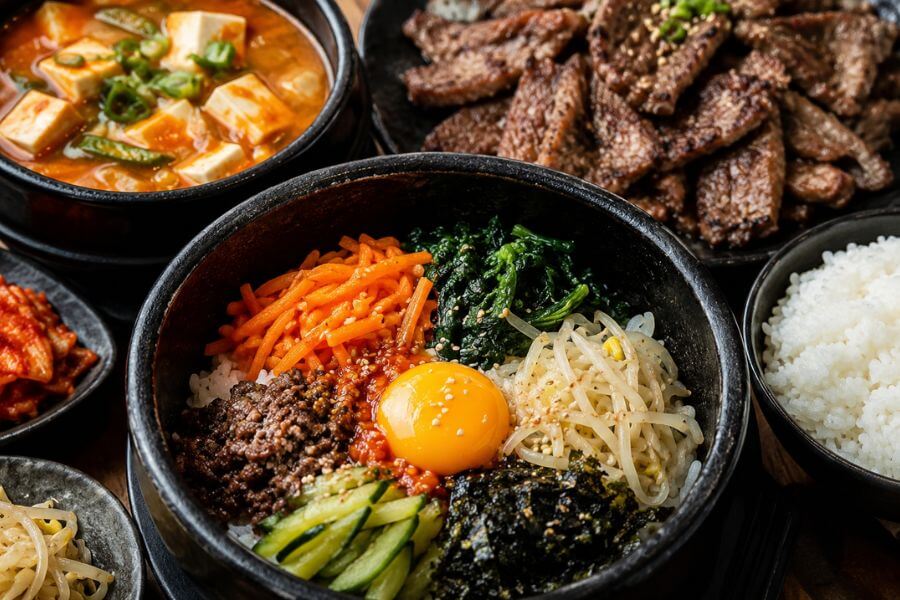
After a tough workout, your body needs the right fuel to recover, rebuild muscle, and restore energy. While protein shakes and energy bars are popular choices, Korean food offers many delicious options that can do the same job naturally. Korean meals often include a balanced mix of protein, vegetables, rice, healthy fats, and fermented foods, making them excellent for post-workout recovery.
If you love Korean cuisine or want healthier meal ideas after exercising, you are in the right place. In this guide, you will discover the best Korean foods to eat after a workout, why they work so well, and how they can help you feel energized without sacrificing flavor.
Quick Summary Table 🍚
| Rank | Korean Food | Best Benefit | Main Nutrients |
|---|---|---|---|
| 1 | Samgyetang | Full body recovery | Protein, collagen, minerals |
| 2 | Bibimbap | Balanced nutrition | Carbs, vegetables, protein |
| 3 | Dubu Kimchi | Muscle recovery | Protein, probiotics |
| 4 | Gimbap | Quick energy refill | Carbs, protein |
| 5 | Galbitang | Recovery and hydration | Protein, electrolytes |
| 6 | Juk | Easy digestion | Carbs, hydration |
| 7 | Bulgogi | Lean protein source | Protein, iron |
| 8 | Kongguksu | Cooling protein meal | Soy protein, healthy fats |
| 9 | Haemul Sundubu Jjigae | High protein comfort food | Seafood protein, tofu |
| 10 | Banchan with Rice | Balanced recovery plate | Fiber, vitamins, carbs |
How We Ranked These Foods 🏆
We ranked these Korean foods based on several important recovery factors:
- High protein content for muscle repair
- Healthy carbohydrates for energy recovery
- Nutrient density and vitamins
- Hydration support after sweating
- Easy digestion after exercise
- Popularity and accessibility in Korean cuisine
- Balanced ingredients without excessive processing
- Ability to keep you full and satisfied
1. Samgyetang – Korean Ginseng Chicken Soup 🍲
Samgyetang is one of the best Korean foods you can eat after an intense workout. This traditional soup contains a whole young chicken stuffed with rice, garlic, jujubes, and ginseng. It is rich, nourishing, and deeply satisfying.
The chicken provides high-quality protein that helps repair tired muscles. The rice restores glycogen levels after cardio or strength training. Ginseng may also help reduce fatigue and improve energy levels naturally.
Another reason this dish works so well after exercise is hydration. Since it is a warm broth-based soup, it helps replenish fluids lost through sweat. Many people in Korea even eat samgyetang during hot summer days because it is considered restorative.
If your workout was especially demanding, this meal can help you feel fully recharged.
2. Bibimbap – The Ultimate Balanced Meal 🥬
Bibimbap is practically designed for post-workout nutrition. This colorful rice bowl combines vegetables, protein, rice, and often an egg in one balanced meal.
You get carbohydrates from the rice, which help restore energy. The vegetables provide vitamins and antioxidants that support recovery. If you add beef, chicken, tofu, or egg, you also get plenty of muscle-building protein.
One of the best things about bibimbap is its flexibility. You can make it lighter after cardio or heavier after weight training, depending on your needs. The sesame oil adds healthy fats, while kimchi can support digestion thanks to its probiotics.
Because it includes so many nutrients in one bowl, bibimbap is one of the smartest recovery meals you can choose.
3. Dubu Kimchi – Protein and Probiotics Together 🌶️
Dubu kimchi combines soft tofu with stir-fried kimchi and sometimes pork. It is a fantastic post-workout option because it gives you both protein and gut-friendly fermented foods.
Tofu is rich in plant-based protein and contains amino acids needed for muscle repair. Kimchi adds flavor while also supporting digestion through healthy bacteria. Good digestion matters after a workout because your body needs to absorb nutrients efficiently.
This dish also feels lighter than many fried or greasy meals, making it ideal if you want recovery food without feeling overly full.
If you prefer lower-calorie meals after exercising, dubu kimchi is an excellent choice.
4. Gimbap – Convenient Recovery Fuel 🍙
Gimbap is one of the easiest Korean foods to grab after a workout. These seaweed rice rolls are portable, filling, and surprisingly balanced.
Most gimbap contains rice, vegetables, egg, and protein such as tuna, beef, or crab sticks. The rice quickly restores energy while the protein helps muscle recovery. Seaweed also provides minerals like iodine.
What makes gimbap especially useful is its convenience. If you finish exercising and need something fast before heading home, gimbap works perfectly. It is lighter than a heavy meal but still satisfying enough to stop post-workout hunger.
For even better recovery, choose versions with tuna, chicken, or extra egg for more protein.
5. Galbitang – Rich Beef Soup for Recovery 🥩
Galbitang is a clear beef short rib soup known for its deep flavor and comforting warmth. It is packed with protein, minerals, and fluids that help your body recover after training.
The beef provides iron and amino acids that support muscle repair and energy production. The broth also contains electrolytes that can help after sweating heavily.
Unlike fried fast food, galbitang gives you nourishment without feeling overly greasy. It is especially good after cold-weather workouts or long gym sessions when your body feels completely drained.
Adding rice to the soup gives you an even better balance of carbohydrates and protein.
6. Juk – Gentle and Easy to Digest 🥣
Juk, or Korean rice porridge, may not look like a fitness food at first, but it can be very useful after exercise. Since it is soft and easy to digest, it works well when you do not feel like eating a heavy meal.
Athletes sometimes struggle with appetite after hard training. Juk provides carbohydrates for energy recovery without overwhelming your stomach. Depending on the type, it can also include chicken, abalone, pumpkin, or vegetables for extra nutrients.
Because it contains a lot of liquid, it also helps with hydration. If you had an exhausting workout or feel tired and sore, juk can be incredibly comforting.
7. Bulgogi – Sweet and Savory Lean Protein 🔥
Bulgogi is one of the most famous Korean meat dishes, and it is also a strong post-workout meal option. Thin slices of marinated beef provide protein that supports muscle growth and repair.
When paired with rice and vegetables, bulgogi becomes a balanced recovery meal. The beef also contains iron and vitamin B12, which help your body produce energy.
The sweet and savory flavor makes it satisfying without feeling boring. Many people find it easier to stick to healthy eating when meals are enjoyable, and bulgogi definitely delivers on flavor.
For a healthier version, enjoy it with lettuce wraps and extra vegetables instead of large amounts of rice.
8. Kongguksu – Cold Soybean Noodles 🧊
Kongguksu is a refreshing noodle dish served in creamy soybean broth. It is especially popular during summer and works well after hot weather workouts.
The soybean broth is rich in plant-based protein and healthy fats. The noodles provide carbohydrates to restore energy, while the cold temperature feels cooling after exercise.
Unlike sugary sports drinks, kongguksu offers real nutrition while still helping you feel refreshed. It is also filling without being too heavy.
If you exercise outdoors in the summer heat, this dish can feel incredibly satisfying afterward.
9. Haemul Sundubu Jjigae – Soft Tofu Seafood Stew 🍤
This spicy stew combines soft tofu with seafood such as shrimp, clams, or squid. It is rich in protein while still feeling lighter than many meat-heavy dishes.
Seafood contains important nutrients like omega-3 fatty acids and minerals, while tofu provides additional protein. The broth helps rehydrate your body after sweating.
Many people also enjoy the comforting warmth of sundubu jjigae after evening workouts. It feels indulgent while still offering strong nutritional value.
Pairing it with a small bowl of rice creates a complete recovery meal.
10. Banchan with Rice – Small Plates, Big Nutrition 🥢
Sometimes the best recovery meal is a simple Korean table filled with banchan, or side dishes, served alongside rice.
Banchan often includes spinach, bean sprouts, kimchi, fish, tofu, eggs, and other nutrient-rich foods. Together, they create a balanced mix of fiber, vitamins, healthy fats, and protein.
One advantage of eating banchan is variety. Your body gets many different nutrients instead of relying on a single food source. This can support overall health and recovery more effectively.
You can easily customize your plate depending on your workout goals, whether you want more protein, fewer calories, or extra carbohydrates.
Conclusion 💪
Korean cuisine offers far more than comfort food. Many traditional Korean dishes naturally provide the nutrients your body needs after exercise. From protein-rich soups to balanced rice bowls and tofu-based meals, there are plenty of delicious ways to recover while enjoying real food.
The best post-workout meals combine protein, carbohydrates, hydration, and nutrients that support muscle recovery and energy restoration. Korean food does this exceptionally well while also delivering bold flavors and satisfying textures.
Whether you prefer something light like gimbap or something hearty like samgyetang, adding these Korean foods to your fitness routine can help you recover better and feel more energized after every workout.
Frequently Asked Questions ❓
Is Korean food healthy for fitness goals?
Yes, many Korean dishes are naturally balanced with protein, vegetables, rice, and fermented foods. However, portion sizes and cooking methods still matter. Grilled, soup-based, and tofu dishes are usually better choices for fitness goals than heavily fried foods.
What is the best Korean food for muscle gain?
Samgyetang, bulgogi, and galbitang are excellent for muscle gain because they contain high-quality protein and enough calories to support recovery and growth.
Can you eat spicy Korean food after a workout?
You can, but it depends on your tolerance. Some people enjoy spicy foods after exercise, while others may experience stomach discomfort. If your stomach feels sensitive after training, milder dishes may work better.
Is kimchi good after exercise?
Yes, kimchi contains probiotics that may support digestion and gut health. It also adds flavor without many calories. However, it should be eaten as part of a balanced meal rather than on its own.
What Korean drink pairs well with post-workout meals?
Barley tea and cold water are excellent choices because they help with hydration without added sugar. Soy milk is also popular because it contains protein that supports recovery.