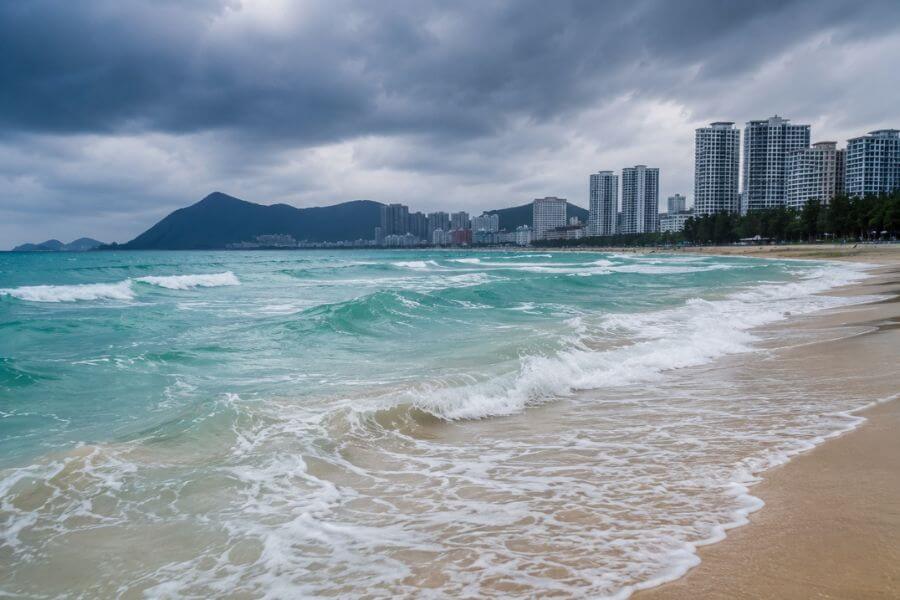
Planning a trip to South Korea during the warmer months brings excitement, vibrant festivals, and gorgeous coastal views. However, you must also prepare for the unique weather patterns that define this season. Whether you are walking through the neon-lit streets of Seoul or relaxing on the golden sands of Busan, understanding how to navigate both the rainy season and the humid heat will make your journey much more enjoyable.
Key Takeaways for Your Trip
- The rainy season, known as jangma, typically hits from late June to mid-July.
- Always carry a sturdy, compact umbrella to handle both sudden downpours and strong UV rays.
- Embrace local cooling traditions, such as eating samgyetang (hot ginseng chicken soup) to combat the heat.
- Plan your beach visits for late July and August to avoid the peak of the monsoon rain.
- Utilize public transportation and indoor shopping malls to stay cool when the humidity climbs.
- Stay hydrated by carrying a reusable water bottle and utilizing the many convenience stores found on every corner.
Understanding the Monsoon Season
The rainy season, or jangma, is a fundamental part of the Korean summer. It usually starts in late June and lasts until the middle of July. During this time, the country experiences frequent rainfall, which can range from a light mist to heavy, sustained downpours.
What to Expect During Jangma
You will notice the air feels thick and heavy due to high humidity levels. The sky often shifts from gray to bright blue in a matter of minutes. It is common for the rain to arrive in short, intense bursts rather than constant drizzle. Because the weather changes so quickly, you should keep your plans flexible. If you have an outdoor activity scheduled, have an indoor backup option like a museum or a large shopping complex nearby.
Preparing Your Gear for the Rain
Packing the right items will change your experience significantly. A high-quality umbrella is non-negotiable. Many locals use UV-blocking umbrellas, which serve the dual purpose of keeping you dry during the rain and shielding your skin from the intense summer sun. Waterproof footwear is also a smart choice, as streets can develop puddles quite fast. If you prefer breathable sneakers, consider carrying a spare pair of socks in your bag at all times.
Strategies for Surviving the Heat
Once the monsoon rains clear, the temperature begins to climb. July and August are the hottest months, with humidity that can feel like a warm blanket. However, you can manage this by adopting the local way of life.
Finding Relief in the City
South Korea is a master of climate control. When the streets feel like a sauna, duck into a convenience store or a coffee shop. Most indoor spaces maintain very comfortable temperatures. If you are in Seoul, the massive underground shopping centers or multi-story department stores offer endless hours of cool, air-conditioned exploration.
The Power of Korean Cooling Foods
One of the most fascinating aspects of Korean culture is the approach to summer food. You might think cold food is the only way to beat the heat, but locals often eat piping hot soup. This is based on the idea of fighting heat with heat. Eating a steaming bowl of samgyetang is believed to restore energy and help your body regulate its temperature. If you prefer something truly cold, seek out naengmyeon, which is a bowl of chilled buckwheat noodles in an icy broth, or patbingsu, a mountain of shaved ice topped with sweet red beans and fruit.
Exploring the Best Beaches
When the heat becomes too much, heading to the coast is the best decision you can make. The sea breeze provides an instant reduction in the feeling of humidity.
Popular Coastal Destinations
- Haeundae Beach (Busan): This is arguably the most famous beach in the country. It offers a lively atmosphere, plenty of food stalls, and a beautiful skyline view.
- Gwangalli Beach (Busan): If you want a view of the famous bridge illuminated at night, this is your spot. It is a fantastic place for a evening walk.
- Hyeopjae Beach (Jeju Island): If you crave crystal-clear water and a more tropical aesthetic, the white sands of Jeju are unmatched.
- Gyeongpo Beach (Gangneung): Backed by pine forests, this beach offers a nice balance of nature and organized activities like music festivals.
- Songjeong Beach (Busan): This is the go-to location for surfing. It is generally more relaxed than Haeundae and attracts a younger, energetic crowd.
Comparison of Beach Experiences
| Beach Name | Best For | Atmosphere |
| Haeundae | City vibes and festivals | Bustling and social |
| Gwangalli | Night views and dining | Chill and scenic |
| Hyeopjae | Swimming and nature | Peaceful and clear |
| Gyeongpo | Walks and music | Natural and lively |
| Songjeong | Surfing and relaxation | Youthful and laid-back |
Staying Healthy and Safe
The combination of sun and humidity can be draining. Your top priority should be your physical well-being.
Sun Protection
Even on cloudy days during the monsoon, the sun’s rays can be quite strong. Wear sunscreen with a high SPF and reapply it every two hours, especially if you are spending the day at the beach. Wearing a wide-brimmed hat or light, long-sleeved linen clothing can help you stay cool while blocking out direct sunlight.
Keeping Your Energy Up
Dehydration is a real risk when you are sweating more than usual. Carry a water bottle and refill it at fountains or convenience stores. If you feel tired or lightheaded, take a break in a shaded area or an air-conditioned building immediately. Do not try to push through the exhaustion, as the climate here is more intense than what many visitors are used to.
Frequently Asked Questions
Is it worth visiting South Korea during the rainy season?
Yes, absolutely. While you will encounter rain, the period of the monsoon often brings fewer crowds to popular tourist spots. As long as you have an umbrella and a flexible schedule, the lush greenery of the mountains and the unique atmosphere of the cities in the rain offer a memorable experience.
What should I pack for the summer months?
Pack light, breathable fabrics like cotton or linen. Bring a reliable umbrella, comfortable sandals or waterproof shoes, plenty of sunscreen, and a portable handheld fan, which you can easily purchase at any convenience store once you arrive.
Are the beaches crowded in the summer?
Popular spots like Haeundae can get very busy, especially during the peak holiday weeks in early August. If you prefer a quieter environment, look into beaches along the east coast or visit during the weekdays rather than on weekends.
How do I check the weather status?
You can use local apps or websites like Naver Weather to get accurate, real-time updates. If you do not read Korean, using a translation app to capture the weather reports is a great way to stay informed about potential heavy rainfall or heat wave warnings.
Is the tap water safe to drink?
Yes, the tap water in South Korea is safe. However, most locals and tourists prefer to drink bottled water or use water dispensers found in public areas, hotels, and restaurants. It is perfectly fine to use a reusable bottle and fill it up throughout your day.