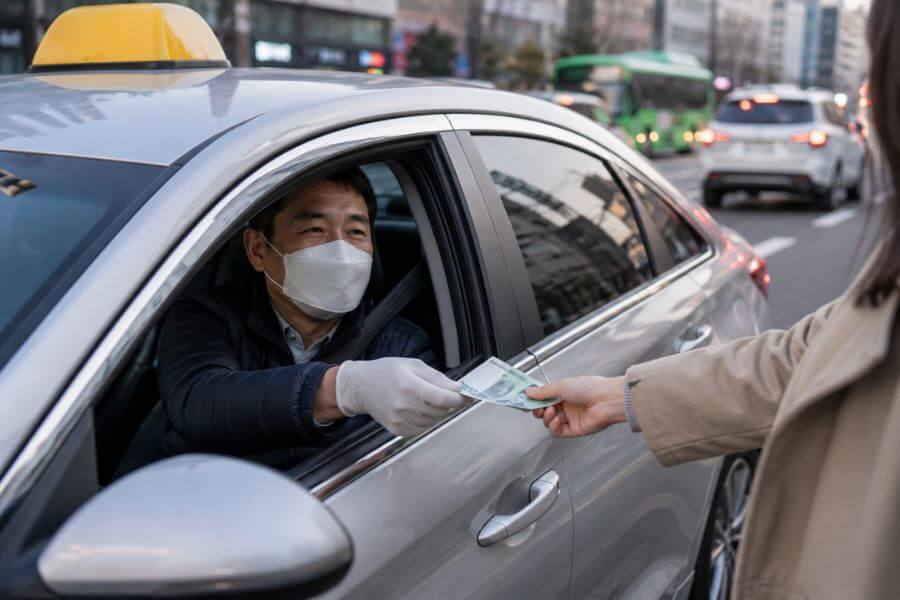
Traveling to a new country often comes with a handful of small worries. You might find yourself wondering about local customs, especially when it comes to money and getting around. If you are planning a trip to South Korea, you are in for a wonderful time. The country is known for its high level of safety, clean streets, and kind people. However, you might have heard confusing things about tipping or how to behave in a taxi. This guide is here to clear those things up so you can travel with confidence.
Key Takeaways
- Tipping is not a part of the culture in South Korea and is not expected at all.
- Offering a tip can sometimes cause confusion or be seen as a bit strange.
- Expressing thanks with a kind smile or a polite nod is the best way to show appreciation.
- Most taxis use a meter, so you do not need to negotiate prices for standard trips.
- Using local apps like Kakao T is often the most reliable way to book a ride.
- Always have your destination address written in Korean or saved on your phone map to help your driver.
The Truth About Tipping in South Korea
When you come from a place where you add a percentage to your bill at a restaurant, it can feel odd to leave a place without doing so. In South Korea, you can let that habit go. You will not find tip jars on counters or expectations from servers to add extra money to your total.
The idea behind this is simple. People in the service industry take pride in their work. They provide great service because it is their job and they value their professional standard. If you try to hand a server extra cash, they might politely decline it. They might think you forgot your change or simply be confused by your gesture. Instead of money, a simple thank you or a polite bow goes a long way.
Why Tipping Is Not Customary
You might wonder why things are done this way. It is a cultural choice that focuses on dignity and clear pricing. When you see a price on a menu or a taxi meter, that is the exact amount you pay. There are no hidden costs or social pressures to pay more than what is stated.
By not tipping, you are not being rude. In fact, following the local custom is the most respectful thing you can do. If you have had an amazing experience, like a meal that really stands out or a helpful hotel staff member who goes out of their way, you might feel a natural urge to give back. In those rare cases, it is better to offer a small token of gratitude like a box of nice tea or even just a warm note of thanks rather than cash.
Navigating the Korean Taxi System
Getting from one point to another in a city like Seoul or Busan is quite convenient. Taxis are everywhere, and they are usually very clean and reliable. You will see them in different colors, but most people use the standard ones which are silver, white, or orange.
When you need a ride, you have three main ways to get one. You can find a taxi stand near a subway station or bus stop, you can wave one down on the street, or you can use a mobile app. Hailing a taxi on the street is common, but keep an eye on the sign in the window. If the light is on, the taxi is empty and available for a passenger.
Types of Taxis Available
It helps to know that there are different levels of service when it comes to cabs. Knowing the difference will help you choose what fits your budget and needs.
- Standard Taxis: These are the most common. They are affordable and use a standard meter. You can pay with cash, a credit card, or a transportation card.
- Deluxe Taxis: You will notice these because they are usually black with a yellow sign on top. The drivers are very experienced, and the cars are often larger and more comfortable. They charge a higher rate than standard taxis.
- Jumbo Taxis: These are large vans that are perfect if you have a group of people or a lot of luggage. Like deluxe taxis, they cost more than standard ones.
Practical Tips for Your Taxi Ride
Before you hop in, keep a few things in mind to make the ride go as smoothly as possible. Many drivers may not speak much English, so having your destination ready is a big help. You can show the driver the address on your phone or have a card from your hotel.
Once you arrive at your destination, the meter will show your final fare. You can pay with your preferred method right then and there. If you want a receipt, you can simply ask for one. You do not need to add a tip to the payment. Just pay the amount shown on the meter and enjoy your day.
How to Handle Payments and Receipts
When it comes to paying for a ride or a meal, technology has made things very simple. Most taxis are equipped with card readers. If you have a travel card or a local transportation card, you can often just tap and go. This removes the need to worry about having the exact amount of cash on hand.
If you ever feel unsure about the price, remember that all taxis must use a meter. This is required by law. It protects you from being overcharged. If you are taking a longer trip, like from the airport to the city center, some taxis have set fares, but these will be clear before you start your journey.
Ways to Show Appreciation Without Money
Since you now know that cash is not the right way to show thanks, you might want to know what else you can do to be a great guest. Politeness is a huge part of the local culture. Small acts of kindness are always noticed and appreciated.
- Use Two Hands: When you pay for something or receive your change, try to use both hands. This shows respect to the person you are interacting with.
- Bowing: A small nod or a slight bow when you enter or leave a taxi or a shop is a wonderful way to acknowledge the person helping you.
- Learn Basic Phrases: Knowing how to say thank you in the local language, which is “gamsahamnida,” is always a wonderful touch.
Understanding the Social Dynamics
Traveling is a learning experience. By taking the time to understand that tipping is not part of the local life, you show that you care about the people and the culture you are visiting. The focus in this country is on a fair and balanced exchange. When you treat people with respect and follow their customs, they will likely go out of their way to make sure you have a great time in their beautiful country.
Frequently Asked Questions
Is it considered offensive if I try to leave a tip?
It is not usually considered offensive in a hostile way, but it can cause confusion. Because tipping is not part of the system, a worker might think you made a mistake and try to give the money back to you. It is best to avoid it so you do not make the person feel awkward.
What should I do if a taxi driver refuses to take me?
Sometimes a driver might decline a short trip if they are heading in a different direction or if the traffic is very heavy. This is not necessarily a reflection of you. Simply try to hail another cab or use a mobile app to book one, as apps often provide a more reliable way to secure a ride.
Are there any situations where I should tip, like at a fancy hotel?
Even in high-end hotels, tipping is not required. The staff at these places are trained to provide top-tier service as part of their standard role. If you feel like someone has been exceptionally kind and you truly want to thank them, a small gift or a sincere word of praise to their manager is a much better way to show your gratitude than money.
How do I know if I am being charged the right amount in a taxi?
All standard taxis are required to use a meter. As long as you see the meter running when the trip starts, you can be confident that you are being charged the official rate. If you ever have a concern, you can ask for a receipt at the end of the trip, which will show the distance and the breakdown of the cost.
Should I tip a tour guide or a private driver?
While there is no requirement to tip, tour guides sometimes operate under slightly different rules than standard taxi drivers. If you have a private guide for a whole day and they have done a fantastic job, you are welcome to show your appreciation. However, it is never expected, and you should not feel any pressure to do so. A kind review of their service online is often more valuable to them than a tip.