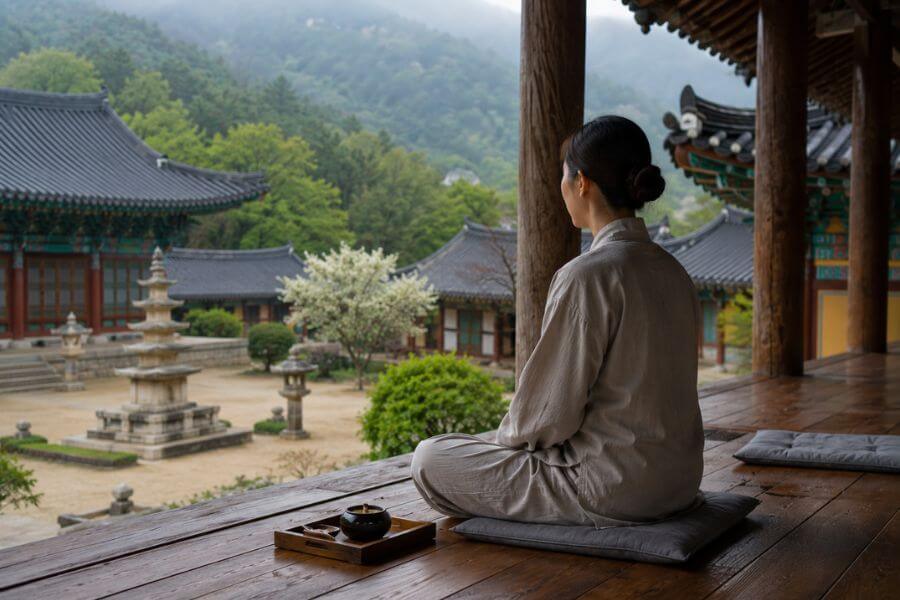
Stepping through the towering wooden gates of a mountain temple, the noise of the modern world fades into a whisper. You are about to embark on a journey that is less about visiting a location and more about visiting yourself. A Temple Stay is a unique opportunity to live alongside monks, follow an ancient daily rhythm, and find a stillness you likely did not know you were missing. This guide will walk you through everything you need to know to make the most of your time in the mountains.
Key Takeaways
- Prepare for an experience centered on mindfulness, silence, and simple living.
- Your schedule will begin early in the morning and revolve around communal meals and meditation.
- Respect is the foundation of the stay, especially regarding dress code and behavior within sacred spaces.
- You will disconnect from technology to fully connect with the natural surroundings and your own thoughts.
- Every moment, from washing your own bowls to walking in the forest, is considered a form of practice.
What is a Temple Stay?
A Temple Stay is a program designed to let you experience the daily life of Buddhist monks in Korea. These temples are usually located in deep, peaceful mountains. For hundreds of years, these sites have been places of learning, prayer, and deep contemplation. During your stay, you become a temporary part of the monastic community. This is not a hotel experience. You are not a guest being served; you are a participant learning how to live in harmony with the environment and your inner self. It is a chance to peel back the layers of busy daily life and return to a simpler, more intentional way of being.
Why People Choose This Experience
There are as many reasons to visit a temple as there are people who walk through the gates. Some individuals come seeking relief from high-stress jobs in the city. Others are interested in learning about Buddhist history or finding a quiet space for creative work. Many visitors are simply curious about a different way of life. Regardless of your initial motivation, you will likely find that the primary benefit is the ability to slow down. Without the constant buzz of notifications, social media, and schedules, your brain finally has the space to breathe. The natural beauty of the mountains, the scent of pine needles, and the sound of temple bells create a natural therapy that is hard to find anywhere else.
Understanding the Temple Environment
Korean temples are built to honor the natural world rather than to dominate it. When you arrive, you will notice that the architecture, the colors, and the placement of the buildings are all designed to fit into the mountain landscape. You will see vibrant paint on the wooden pillars, intricate carvings of mythical creatures, and beautiful gardens. It is important to remember that these are active places of worship. This means that while you are welcome, you must always be aware of the sanctity of the space. Treat the grounds with care, keep your voice low, and move with intentionality.
Preparing for Your Arrival
Before you leave home, it is helpful to pack with the nature of the temple in mind. You will be provided with simple, uniform clothes, usually a loose-fitting cotton jacket and pants, which are perfect for movement. Aside from that, bring comfortable walking shoes that are simple to slip on and off, as you will be entering and leaving buildings constantly. Pack basic toiletries, but keep them unscented if possible to avoid disturbing the peaceful atmosphere. Bringing a small notebook can be wonderful for recording your thoughts, as you will likely experience moments of clarity you want to keep. Ensure you check the specific requirements of the temple you have chosen, as some may have unique needs depending on the season.
The Daily Schedule
Life at the temple is dictated by the rising and setting of the sun. You will find that your internal clock resets quickly to match the environment.
Morning Practice and Waking Up
The day begins well before the sun rises. You might wake up to the sound of a heavy wooden drum or a large bell echoing through the valley. The early morning air is crisp, and the silence is profound. You will head to the main hall for early morning prayers or meditation. This is often the most magical part of the day. Watching the sunrise from a mountain temple is a memory that stays with you forever.
Noon and Afternoon Tasks
After your morning meal, the day transitions into a time for movement and work. You might spend time walking through the forest trails, attending a tea ceremony with a monk, or engaging in light manual labor. This labor is not chores in the way you might think of them; it is considered a way to practice mindfulness while moving your body. You might sweep leaves or help organize the garden. The goal is to focus entirely on the task at hand.
Evening Reflection
As evening approaches, the mood shifts again. After the final communal meal of the day, there is usually time for reflection. This is when you can sit on a terrace and watch the stars appear over the mountain peaks. You will find that the evening meditation is a perfect way to settle the mind before sleep. Because the days start so early, you will naturally feel ready to sleep soon after the evening session concludes.
The Art of Temple Food
Food in a temple is called “Balsu Gongyang,” and it is much more than just a meal. It is a spiritual practice.
The Philosophy of the Kitchen
Temple cuisine is vegan and avoids “pungent” vegetables like garlic, green onions, and leeks. These ingredients are avoided because it is believed they distract the mind. Instead, the focus is on the natural flavor of the vegetables, grains, and roots. Everything is sourced locally, often grown in the temple’s own gardens. It is honest, healthy, and incredibly flavorful in its simplicity.
The Ritual of Eating
When you sit for a meal, you will have a set of four bowls. You are taught how to use these bowls with extreme care. You must ensure that you do not waste a single grain of rice. Even the cleaning of the bowls at the end of the meal is a ritual, involving a piece of radish and water to make sure the bowls are returned to their original, pristine state. This practice teaches you to be grateful for what you have and to be mindful of every resource.
Important Customs and Etiquette
To ensure you have the best experience, there are a few rules of thumb that will help you blend in and show respect.
Dress and Behavior
Always dress modestly. Your shoulders and knees should be covered, and your clothing should be clean and simple. When entering a prayer hall, remove your shoes and leave them neatly on the porch. Inside, avoid walking directly in front of someone who is praying. If you see monks, it is common to offer a slight bow with your palms pressed together.
The Language of Silence
Silence is highly valued in the temple. This does not mean you cannot talk to others, but it does mean you should speak in soft, low tones. You will find that you naturally begin to appreciate the lack of chatter. When you do speak, it often feels more meaningful. In many areas, especially during specific meditation hours, complete silence is expected. Embracing this silence is one of the most rewarding parts of the stay.
Comparison of Temple Stay Types
While all temple stays share the same core values, they can vary in their structure and focus.
| Type of Stay | Primary Focus | Ideal For |
| Experiential | Cultural learning | First-time visitors |
| Meditative | Silent practice | Those seeking clarity |
| Relaxing | Rest and nature | People needing a break |
Daily Routine Table
| Time | Activity | Purpose |
| 04:00 | Wake up | Morning ritual |
| 05:00 | Morning Prayer | Spiritual focus |
| 06:30 | Breakfast | Sustenance and gratitude |
| 09:00 | Morning Walk | Connecting with nature |
| 12:00 | Lunch | Mindful eating |
| 14:00 | Tea Ceremony | Community connection |
| 18:00 | Dinner | Simple intake |
| 20:00 | Evening Meditation | Calm the mind |
| 21:00 | Sleep | Rest |
Challenges and How to Overcome Them
It is perfectly normal to feel a bit out of your element at first. You might find the early morning hours difficult to manage, or you might struggle with the silence. The key is to be kind to yourself. You are not expected to be a master of meditation on day one. If you feel restless, try to focus on your breathing. If you find the food different from what you are used to, appreciate the effort and the health benefits it brings. Every challenge is just another part of the learning process. By the end of your time, these challenges will likely turn into your favorite memories of growth.
Sustaining the Feeling After You Leave
The biggest question most people have is how to take this feeling of peace back to the city. The answer is to start small. You do not need to sit for hours in meditation or live in a mountain retreat to keep your mind clear. Simply bringing back the habit of mindful eating or taking ten minutes each morning to sit in silence can make a huge difference. Use the memories of the mountain air and the quiet halls as a touchstone when you feel overwhelmed. You have built a foundation of calm within yourself, and you can access that space anywhere at any time.
Frequently Asked Questions
Do I need to be a Buddhist to do a Temple Stay?
Not at all. The programs are open to anyone, regardless of their background or personal beliefs. The goal is to provide a place of peace and a chance to learn about Korean culture and mindfulness.
Is the stay very physically demanding?
It depends on the program you choose. Most stays involve some walking and sitting, which are generally manageable. You are always welcome to rest if your body needs it, as the focus is on personal comfort and inner exploration.
Will there be a language barrier?
Many temples that host international guests have staff or volunteers who can speak English. Even if there is a language gap, the gestures of kindness, bowing, and shared meals transcend words. You will find that you can communicate very effectively without speaking much at all.
Is there internet access?
Generally, there is very limited to no internet access. This is a purposeful choice to help you disconnect from the distractions of the world. It is highly recommended to inform your family and friends that you will be offline for a few days so you can focus entirely on your experience.
What should I do if I am a beginner at meditation?
The monks are very patient and welcoming to beginners. You will often receive basic instructions on how to sit and how to breathe. Remember, meditation is a practice, not a test. There is no right or wrong way to do it; the important part is simply showing up and being present in the moment.