Your Winter Journey to South Korea: Key Takeaways
- Embrace the cold: Winter in South Korea is a magical season filled with snowy mountains, festive lights, and warming culinary traditions.
- Pick the right adventure: Whether you want to ski on Olympic-grade slopes or participate in unique ice fishing festivals, there is a destination for you.
- Eat for warmth: Korean winter cuisine is centered around comfort—look for steaming stews, hot street snacks, and seasonal delicacies like roasted sweet potatoes.
- Dress like a local: Layering is essential. A thick “long padding” coat, thermal base layers, and comfortable, warm footwear will keep you going all day.
- Stay cozy: Experience the local culture by visiting a traditional bathhouse (jjimjilbang) or spending time in the many aesthetic cafés found throughout the cities.
Discovering the Magic of Korean Winters
You might think of winter as a time to stay indoors, but in South Korea, the cold weather is just a reason to celebrate. When the temperature drops and the first snowflakes dust the ancient palaces of Seoul or the rugged peaks of the Gangwon province, the country transforms. It becomes a place of vibrant energy, where glowing neon lights contrast beautifully against the crisp white snow.
Traveling to South Korea during this time offers you a chance to see a side of the culture that remains hidden during the humid summer months. You will find that the local people embrace the season with open arms. They do not let the chill stop them from living life to the fullest. Instead, they gather in markets for hot snacks, head to the mountains for thrills, and spend time with loved ones in warm, comfortable spaces. This guide is your companion to navigating this beautiful, frosty landscape.
Skiing and Snowboarding Paradise
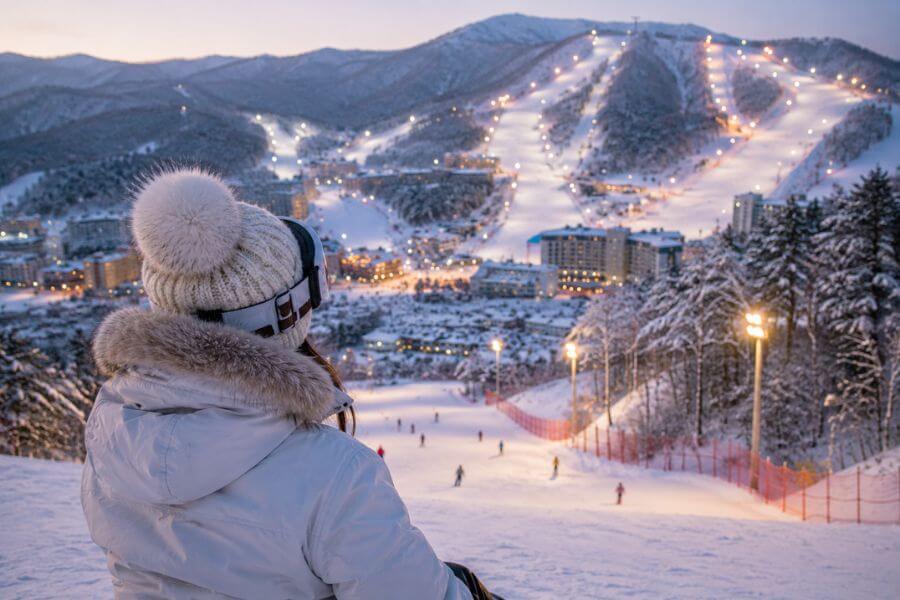
If you enjoy the adrenaline of sliding down a mountain, you are in luck. South Korea is home to some of the finest ski resorts in Asia. Many of these locations gained world fame after hosting the Winter Olympics, meaning the facilities are top-tier and well-maintained.
Choosing Your Mountain Resort
Most of the top-rated ski destinations are located in Gangwon-do, a province known for its mountainous terrain and reliable snowfall.
- Yongpyong Resort: This is often considered the heart of Korean skiing. It offers a massive variety of slopes and modern lifts. It is a fantastic choice if you want to experience where Olympic athletes once competed.
- Phoenix Pyeongchang: This resort is a dream for those who love snowboarding. With its well-designed terrain parks and high-quality snow, it attracts a younger, energetic crowd.
- Vivaldi Park: Located closer to the capital, this is a popular spot for a quick getaway. Its proximity to the city makes it a convenient choice if you have limited time but still want to hit the slopes.
- High1 Resort: Known for having some of the longest and most scenic runs, this resort is perfect if you prefer a more relaxed pace where you can enjoy the view as you glide down the mountain.
Comparison of Popular Ski Resorts
| Resort | Travel Time from Seoul | Best Known For |
| Yongpyong | 3.5 Hours | Olympic heritage, variety |
| Phoenix Park | 2 Hours | Snowboarders, terrain parks |
| Vivaldi Park | 1.5 Hours | Convenience, accessibility |
| High1 | 3 Hours | Long, scenic mountain runs |
Festivals That Define the Season
One of the most authentic ways to experience a Korean winter is to join a festival. These events are deeply rooted in local traditions and provide a unique look at how people celebrate the cold.
Ice Fishing and Snowy Celebrations
The most famous activities often take place on frozen rivers or in mountain valleys.
- Hwacheon Sancheoneo Ice Festival: This is perhaps the most iconic winter event in the country. Imagine standing on a thick sheet of ice, drilling a hole, and waiting to catch mountain trout. It is a thrilling, communal experience that brings thousands of visitors together. Even if you do not catch a fish, the surrounding activities like ice sledding and ice sculptures make it a must-visit.
- Pyeongchang Trout Festival: Similar to the Hwacheon event, this festival celebrates the local specialty. It is a great place to bring families, as there are many games and rides for all ages.
- Taebaeksan Mountain Snow Festival: If you prefer art over fishing, this festival is for you. It features massive, intricate snow sculptures created by artists from all over the world. Walking through the park as the sun hits these giant white creations is a breathtaking experience.
The Flavors of a Korean Winter
Food is the soul of any Korean trip, and winter is the best time to indulge. The cold weather makes every bite of hot food feel like a warm hug. You will find that the local diet changes to include more soups, stews, and snacks that provide energy and heat.
Street Food Delights
Wandering through a street market in the evening is an essential experience. Look for these classic snacks:
- Hotteok: A crispy, golden pancake filled with melted brown sugar, cinnamon, and nuts. Be careful when you take that first bite, as the filling stays hot for a long time.
- Bungeoppang: These are adorable, fish-shaped pastries filled with sweet red bean paste or creamy custard. They are cheap, portable, and perfect for warming your hands while you walk.
- Odeng: Fish cake skewers served in a light, savory broth. Many street vendors allow you to drink the broth for free from small paper cups, which is a fantastic way to warm up while you shop.
- Roasted Sweet Potatoes: Often sold from small, barrel-like stoves on street corners, these are a simple and delicious snack that tastes exactly like comfort.
Hearty Meals for Cold Days
When you want to sit down and have a full meal, look for these traditional dishes:
- Kimchi Jjigae: A fiery, bubbling stew made with aged kimchi and pork. It is arguably the most loved comfort food in the country.
- Samgyetang: A ginseng chicken soup that is surprisingly popular in winter. It is healthy, nourishing, and known for warming the body from the inside out.
- Galbi Jjim: Braised beef short ribs that are slow-cooked until the meat is tender enough to fall off the bone. It is rich, savory, and very satisfying after a long day in the snow.
Tips for a Successful Winter Trip
Traveling in the cold requires a bit of planning, but it makes your trip much more enjoyable. The secret is knowing how to handle the low temperatures.
Staying Warm and Comfortable
You do not need to pack your entire closet, but you do need to pack the right items.
- Layering is key: Wear a thermal base layer, a sweater or fleece, and a high-quality, windproof outer coat. Koreans often wear long, padded coats that reach down to their shins, which offer great protection against the biting wind.
- Protect your extremities: Do not forget a warm beanie, a thick scarf, and gloves. Your ears and nose will thank you for the extra cover.
- Footwear matters: Wear boots with a good grip. Snow can turn to ice on city sidewalks, and you want to be sure you can walk safely.
- Use the heat packs: You can buy small, disposable heat packs at any convenience store for a very low price. You can keep them in your pockets to keep your hands warm throughout the day.
- The Power of Jjimjilbang: Do not leave without visiting a Korean bathhouse. These facilities have various hot baths, saunas, and heated floors. It is the perfect place to relax your muscles after a day of skiing or exploring.
Frequently Asked Questions
Is it too cold to visit South Korea in winter?
While the temperature can certainly drop below freezing, it is manageable with the right clothing. The air is often crisp and dry, which many travelers find more comfortable than damp cold. As long as you have a good winter coat and accessories, you will be able to enjoy all the outdoor activities comfortably.
Do I need to book my ski resort in advance?
Yes, it is highly recommended. Popular resorts can get very busy, especially on weekends and around major holidays like the Lunar New Year. Booking your accommodation and lift tickets online before you arrive will save you time and ensure you have a spot.
Are the festivals open to international tourists?
Absolutely! The major festivals, such as the Hwacheon Sancheoneo Ice Fishing Festival, are very welcoming to international visitors. Many have information in English and staff who can help you understand how to participate in activities like ice fishing or sledding.
What is the best way to travel between cities in the winter?
South Korea has an excellent public transportation system. The high-speed trains (KTX) are a reliable and fast way to travel between Seoul and provinces like Gangwon-do. Even if there is snow on the ground, the trains continue to run on time, making it a very efficient way to get around.
Can I really find good food outside of restaurants?
Street food is a major part of the culinary culture in South Korea. Some of the most memorable meals you will have will be from small stalls in bustling markets or near subway stations. Do not be afraid to try new things from these vendors, as they are a great way to experience local life.