Standing on the edge of a border that divides a single nation into two entirely different worlds is an experience that stays with you forever. The Demilitarized Zone, or the DMZ, is not just a line on a map. It is a living piece of history, a place wrapped in tension, silence, and deep hope. If you are planning a trip to South Korea, visiting this unique strip of land is likely at the top of your list.
Yet, this is not your typical tourist destination where you can simply show up, buy a ticket, and stroll through the gates. Because it remains an active military zone, a trip here requires planning, strict adherence to rules, and a solid understanding of what to expect. This guide will walk you through every single detail you need to know to make your journey smooth, memorable, and profoundly moving.
Key Takeaways
Before diving into the full details, here is a quick overview of the most critical facts you must keep in mind for your upcoming trip:
- Booking in Advance: You cannot visit the DMZ on your own. You must book a spot through an officially licensed tour agency weeks or even months ahead of your planned travel date.
- Passport Requirement: Your physical passport is your ticket inside. If you forget to bring it on the morning of your tour, military personnel will deny you entry at the checkpoint. Copies or digital images on your phone will not work.
- Strict Dress Code: The military enforces a specific dress code to maintain respect and prevent propaganda photos. Avoid ripped jeans, open-toed shoes, sleeveless tops, and military-style clothing.
- Safety Restrictions: You are entering a heavily fortified area. Always follow your guide’s instructions, stay on designated paths, and only take photos when explicitly told it is safe to do so.
Understanding the History Behind the Border
To truly appreciate what you are seeing when you arrive, it helps to understand how this sliver of land came to be. The story of the DMZ is a story of a family split down the middle, a tale of conflict that never truly reached a final conclusion.
The Origin of the Division
At the end of World War II, the Korean Peninsula was freed from colonial rule, but it was quickly divided along the 38th parallel. The Soviet Union occupied the northern half, while the United States occupied the southern half. What was meant to be a temporary arrangement fast became permanent as two entirely different governments formed.
By the time 1950 arrived, tensions boiled over, marking the start of the Korean War. For three long years, intense fighting swept back and forth across the land, causing immense loss of life and destroying cities, towns, and families.
The Armistice Agreement of 1953
The active fighting stopped on July 27, 1953, when military leaders signed an armistice agreement. It is vital to note that an armistice is a ceasefire, not a peace treaty. Technically, the two sides are still in a state of conflict, which explains the high security you will witness during your visit.
The agreement established the DMZ as a buffer zone to keep the two militaries apart and prevent further battles.
Mapping Out the Buffer Zone
The DMZ is a strip of land that stretches across the width of the peninsula, measuring roughly 155 miles long and about 2.5 miles wide. Inside this zone, heavy weapons are banned by law, though the land just outside its borders on both sides is among the most heavily armed places on earth. Over the decades, because humans have been kept out of this zone, nature has reclaimed the land. Today, it serves as an accidental sanctuary for rare birds, plants, and wildlife that struggle to survive anywhere else in the region.
The Key Areas You Can Visit
When people talk about visiting the DMZ, they are often talking about a few specific locations that are open to public tours. Depending on the specific tour package you select, you will visit a combination of these historic landmarks.
Imjingak Park
For most travelers, the journey begins at Imjingak Park, located about an hour north of Seoul. This park was built to comfort those who fled their homes in the north during the war and can no longer return to see their loved ones. It is a sprawling area filled with monuments, statues, and a beautiful prayer wall covered in colorful ribbons bearing messages of hope for reunification.
Within the park, you will also spot the Freedom Bridge, where thousands of prisoners of war walked back to freedom after the ceasefire was signed. You will also see a old steam locomotive that was riddled with over a thousand bullets during the war, left exactly as it was found as a reminder of the destruction.
The Third Infiltration Tunnel
Perhaps the most thrilling part of a standard tour is descending into the earth to walk through the Third Infiltration Tunnel. In the 1970s, South Korea discovered several secret tunnels dug by the northern military underneath the border. The third tunnel, discovered in 1978, is wide enough and tall enough to move thousands of soldiers into the south within a single hour.
When you visit, you will put on a safety helmet and walk down a steep incline into the damp, cold tunnel. You can walk right up to the thick concrete barriers that now block the border underground. It is a tight, narrow space, so be prepared for a bit of a workout as you walk back up the steep slope to the surface.
Dora Observatory
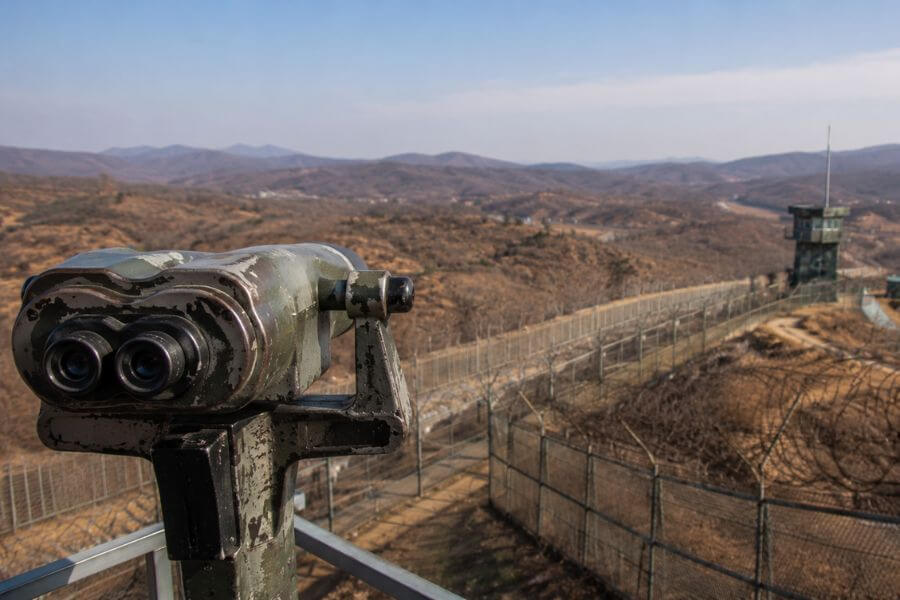
If you want to see the other side with your own eyes, Dora Observatory is where you will get your chance. Situated on top of Mount Dora, this viewing platform offers powerful binoculars that let you peer across the border.
On a clear afternoon, you can look out over the vast fields of the buffer zone and see actual villages inside the northern territory. You can see their giant flagpole, watch vehicles moving along distant roads, and get a clear look at the mountains that rise up beyond the border line.
Dorasan Station
Dorasan Station is a beautiful, modern train station that sits just a short distance from the border. It was built with the dream of one day connecting the train tracks of the south all the way through the north, eventually linking Korea to Russia and Europe.
Currently, no regular trains run across the border, so the station stands as a quiet monument to future peace. Walking through the gleaming, empty lobby feels surreal, like stepping into a train station that is waiting for a future that has not yet arrived.
The Joint Security Area
The Joint Security Area, often called Panmunjom, is the famous blue building complex where soldiers from both sides stand face-to-face. This is the exact spot where historic talks take place and where world leaders have met.
Due to shifting political tensions and security updates, public access to the Joint Security Area changes frequently. When it is open, it offers the most intense and dramatic view of the border, allowing you to step inside the blue rooms where you are technically crossing the border line while remaining under the watchful eyes of military guards.
Choosing the Best Tour for Your Schedule
Because you must join an organized tour, picking the right itinerary is a major decision. Most operators offer two main types of excursions, and understanding the differences will help you select the one that matches your personal interests.
Half-Day Tours
A half-day tour is an excellent choice if you want to see the primary sights without spending an entire day away from Seoul. These trips usually last around five to six hours and depart early in the morning.
- Sights Covered: Typically includes Imjingak Park, the Third Infiltration Tunnel, and Dora Observatory.
- Pros: Leaves your afternoon free to explore neighborhoods back in Seoul, and it covers the core historical highlights perfectly.
- Cons: You will feel a bit rushed at each stop, and these tours generally do not include a lunch break or access to the Joint Security Area.
Full-Day Tours
If you want a deeper experience and enjoy taking your time to process history, a full-day tour is the way to go. These experiences last anywhere from eight to ten hours and offer a more relaxed pace.
- Sights Covered: Includes all the standard half-day sights, plus extra locations like Dorasan Station, local war museums, or a traditional Korean lunch in a nearby village.
- Pros: Much more detail from your tour guide, less rushing between locations, and a richer understanding of local rural life near the border.
- Cons: Takes up an entire day of your trip, and it requires a higher amount of walking and physical energy.
Tour Types At A Glance
| Tour Type | Typical Duration | Major Inclusions | Best For |
| Half-Day Morning | 5 to 6 hours | Imjingak, Tunnel, Dora Observatory | Busy schedules |
| Half-Day Afternoon | 5 to 6 hours | Imjingak, Tunnel, Dora Observatory | Late risers |
| Full-Day History | 8 to 10 hours | Standard sights plus Dorasan Station and lunch | In-depth learning |
| Special Joint Security Area | 7 to 9 hours | Blue meeting rooms and border line | High-intensity views |
The Strict Dress Code Rules
The military takes clothing choices very seriously inside the security zones. The reason for this is practical: soldiers on the other side monitor visitors and sometimes snap photos to use for political posters. They look for clothing that appears sloppy, overly casual, or strange to portray visitors in a negative light. To avoid any issues at the military checkpoints, you must follow these clothing guidelines carefully.
What to Wear
- Pants: Choose clean, long pants such as regular jeans, chinos, or slacks. Ensure they do not have any rips, tears, or fraying.
- Shirts: Opt for standard shirts with sleeves, such as t-shirts, polo shirts, button-downs, or sweaters.
- Shoes: Wear fully enclosed footwear like sneakers, walking shoes, or boots. Make sure they are comfortable, as you will be doing plenty of walking on uneven ground.
What to Avoid
- Ripped Clothing: Even if your jeans came pre-ripped from a store, they are banned. Your skin should not show through holes in your clothes.
- Revealing Tops: Sleeveless shirts, tank tops, crop tops, and low-cut blouses are completely forbidden. Keep your shoulders fully covered.
- Athletic and Loungewear: Sweatpants, gym shorts, tracksuits, and leggings are viewed as too casual and are not permitted.
- Open-Toed Shoes: Sandals, flip-flops, slides, and high heels are not allowed for safety and presentation reasons.
- Military Patterns: Avoid wearing camouflage clothing, tactical gear, or shirts with political messages or aggressive graphics.
Packing and Preparation Essentials
Preparing your day bag for a trip to the DMZ requires a minimalist approach. Security is high, and you will not be allowed to bring large bags or heavy items into many of the historic sites.
The Number One Priority: Your Passport
You can forget your camera, your sunglasses, and your jacket, but you cannot forget your physical passport. As your tour bus approaches the border area, military police will board the vehicle to check every person’s passport manually. They match your face to your photo and verify your country of citizenship.
If your passport is sitting in your hotel safe, the bus will leave you behind at the gate. Make sure your passport is valid for at least six months past your travel dates.
Managing Bags and Belongings
Leave your large backpacks and suitcases at your hotel. Most tour buses will allow you to leave a small day pack on your seat when you get out to walk, but inside places like the infiltration tunnel, you are only allowed to carry what fits in your pockets.
Pack light: just your phone, a wallet, a bottle of water, and your essential medications.
Preparing for Weather and Physical Activity
The weather at the border can feel much colder and windier than the weather in downtown Seoul, especially during the autumn and winter months. Wear layers so you can stay warm at the windy outdoor observatories and shed a layer if you get warm climbing out of the underground tunnels.
Because the tunnel walk is damp and slippery, shoes with excellent grip are a necessity.
A Typical Step-by-Step Tour Itinerary
Knowing what happens on the day of your tour can help calm any nerves and allow you to fully enjoy the experience. While every company structures their day a bit differently, most follow a reliable, organized sequence.
Check-in and Departure
Your day will start early, often around 6:30 or 7:00 in the morning. Most tours pick up travelers from central hubs in Seoul, such as Myeongdong Station or Hongik University Station. When you arrive at the bus, the guide will check your name against the manifest and take a quick look at your passport to make sure you have it.
Once everyone is boarded, the bus heads north along the highway, running parallel to the Imjin River, which is lined with barbed wire fencing and military guard towers.
The First Border Checkpoint
After about an hour of driving, the scenery shifts from urban skyscrapers to quiet farmland and rolling hills. The bus will pull into a secure checkpoint area near the bridge crossing into the zone. A soldier will walk down the aisle of the bus, looking closely at each passenger and checking every passport.
The atmosphere on the bus usually gets quiet during this part, but there is no need to worry. As long as you remain seated and hold your passport open, the check takes only a few minutes.
Exploring the Sights
Once you pass the checkpoint, your guide will lead you through the scheduled sights. At Imjingak Park, you will have time to look at the monuments and take photos.
Next, the bus moves to the Third Infiltration Tunnel. Here, you will store all your belongings—including your phone and camera—in a secure locker before walking deep underground.
After the tunnel, the bus drives up to Dora Observatory, where you can look through the binoculars and take pictures from behind a yellow safety line.
Return to the City
After completing the visits, the bus passes back through the military checkpoint for a final headcount. On the ride back to Seoul, your guide will often wrap up their presentation, answer any lingering questions, and share personal stories about their own family history with the border.
You will typically arrive back in the city center by early afternoon, giving you plenty of time to enjoy dinner and process everything you saw during the morning.
Photography Rules and Restrictions
Photography is one of the most strictly regulated parts of a DMZ trip. Because this is an active military environment, certain views and structures are classified as state secrets to protect national security.
Where You Can Take Photos
You are completely free to take as many pictures as you like in public parks like Imjingak Park, inside Dorasan Station, and around the outdoor monuments. Your tour guide will explicitly tell you whenever you enter a zone where photography is permitted.
At the Dora Observatory, there is a clear, painted line on the ground. As long as you stand behind this line, you can use your phone or camera to photograph the panoramic view of the northern territory.
Where Cameras are Banned
You are strictly prohibited from taking photos at any military checkpoint, of any individual soldier, or of any defensive structures like walls, fences, and bunkers. Inside the Third Infiltration Tunnel, all cameras and phones must be locked away; taking a photo inside the tunnel can result in your device being confiscated and can cause serious delays for your entire tour group.
Always look for signs with a camera symbol crossed out, and when in doubt, ask your guide before pressing the shutter button.
Family Travel and Accessibility
If you are traveling with young children, elderly family members, or individuals with mobility challenges, a trip to the border requires some careful thought. The historic sites are deeply educational, but they also present real physical demands.
Traveling with Children
Children are welcome on most standard tours, and the visual nature of the monuments and observatories can make history come alive for them. However, keep in mind that the tour involves long bus rides and quiet listening periods.
The underground tunnel can feel dark and enclosed, which might scare younger kids. If you are bringing children, make sure to pack plenty of snacks and a few quiet toys for the bus ride.
Accessibility Challenges
For travelers using wheelchairs or those who have difficulty walking long distances, some parts of the tour will be difficult to access. The Third Infiltration Tunnel features a steep incline that is slick and strenuous, making it unsafe for wheelchairs or strollers.
However, Imjingak Park, Dora Observatory, and Dorasan Station are generally built with modern ramps and flat surfaces, allowing everyone to enjoy the views and history. Inform your tour company about any mobility needs when you book so they can advise you on the best options.
Frequently Asked Questions
Is visiting the border area safe for international tourists?
Yes, it is remarkably safe. Millions of travelers visit the border every year without any issues. The entire area is monitored constantly by military forces from South Korea and the United Nations. Tour companies maintain constant communication with military officials, and if there is ever a rise in tension or a security concern, tours are instantly paused or rerouted to guarantee everyone’s safety.
Can I travel to the DMZ on my own using public transportation?
You cannot enter the actual security zones, the infiltration tunnels, or the observatories on your own. These areas sit past the civilian control line, and military checkpoints will only allow authorized tour buses to pass. While you can take a public train or bus to Imjingak Park on your own, you will need to purchase a ticket for a shuttle bus tour at the park office to go any further, and spots fill up incredibly fast. Booking a guided tour from Seoul remains the most reliable option.
How far in advance should I book my reservation?
It is smart to book your tour at least two to four weeks before your desired date, especially if you are traveling during the popular spring or autumn months. Because daily entry numbers are capped by the military to prevent overcrowding, spots fill up quickly. If you hope to visit the Joint Security Area, you often need to book several months in advance due to limited availability and background check requirements.
Are there places to buy food and souvenirs during the tour?
Yes, there are several opportunities to purchase refreshments and unique mementos. Imjingak Park features cafes and convenience stores where you can grab a quick bite. You will also find gift shops at the tunnel site and the observatory. These shops sell unique items you cannot find anywhere else, including genuine North Korean stamps, coins, currency, and local wines, as well as chocolate and soybeans grown in the clean soil of the border area.
What happens if I forget my passport on the day of the tour?
If you forget your physical passport, you will not be allowed past the military checkpoints. The tour company will check for your passport before the bus departs Seoul. If you do not have it, you will have to step off the bus. Military police will not accept digital photos of your passport, photocopies, or driver’s licenses. Always double-check your bag for your actual, physical passport booklet before leaving your hotel room.
Can citizens of all countries go on these tours?
Most nationalities can join standard tours without any issues. However, if a tour includes access to the Joint Security Area, restrictions apply based on your passport country. Citizens of certain nations may need to undergo a background check by the United Nations Command prior to arrival. When you fill out your booking form online, the tour agency will review your nationality and let you know if any extra paperwork is required.
Is there an age limit for entering the underground tunnels?
There is no official age limit for the Third Infiltration Tunnel, but it requires a good level of physical fitness. The path goes down deep into the earth, and the walk back up is the equivalent of climbing up a steep hill for about fifteen minutes continuously. The ceiling inside the tunnel is low, requiring adults to bend over slightly while walking. It is not recommended for infants, toddlers, or anyone with heart conditions, breathing difficulties, or severe back pain.
How much does a standard tour cost?
A standard half-day tour typically costs between fifty and eighty US dollars per person, depending on the operator and pickup location. Full-day tours that include lunch and extra historical stops generally range from ninety to one hundred and fifty US dollars. Specialized tours that attempt to visit the Joint Security Area are more expensive due to the extra logistics and coordination required. Always check what is included in the price, such as entry fees and lunch, before paying.
Can I speak to or interact with the soldiers at the border?
You must not try to speak to, wave at, or gesture toward the soldiers on duty. The personnel at the checkpoints and inside the security areas are performing serious security work and must remain completely focused. Follow your guide’s instructions to keep a respectful distance and avoid distracting the guards. You can, however, ask your tour guide any questions you have, as they are experts in the local history and military protocols.
What should I do if the weather is bad on the morning of my trip?
Tours generally run rain or shine. If it is raining, thick mist or heavy fog can reduce visibility at the Dora Observatory, making it harder to see deep into the fields across the border. However, the underground tunnel tours, indoor museum exhibits, and historic stations remain fully operational. If extreme winter weather or heavy storms make driving unsafe, the tour operator will contact you to reschedule your date or offer a full refund.