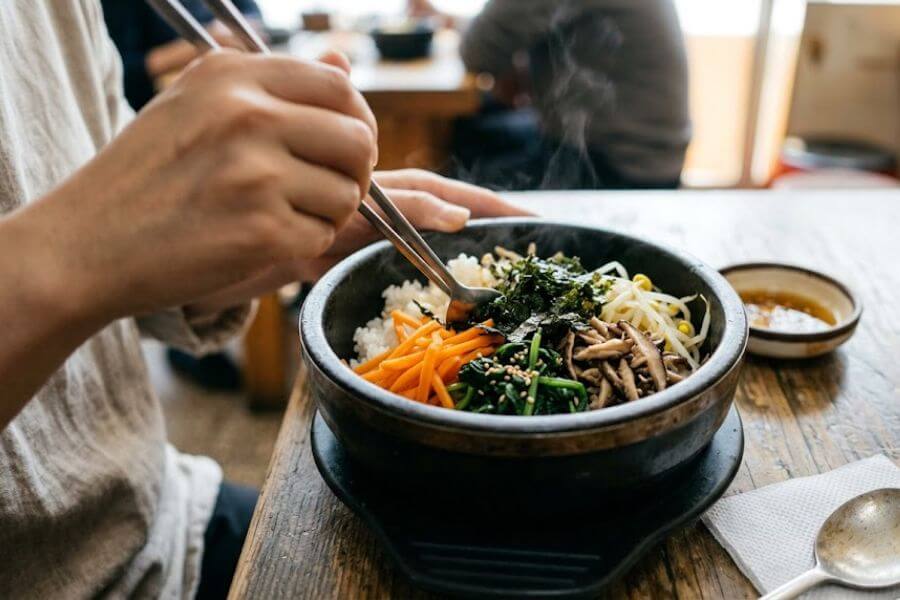
Ordering plant-based food in South Korea can feel like a game of hide-and-seek where you do not know the rules. You look at a beautiful bowl of rice and vegetables, think you are safe, and then find out it was cooked in fish broth. Local servers are usually happy to help, but the concept of a meat-free diet can mean different things to different people. For instance, some people might think a little bit of ham or shredded chicken does not count as real meat. To get exactly what you want without causing a confusing moment at the table, you need a solid game plan. This guide will show you exactly how to navigate local menus, communicate your choices clearly, and enjoy the amazing flavors of Korean cooking.
Understanding the Local Food Culture
To order your food successfully, you first need to understand how the local food scene works. Traditional meals rely heavily on fresh vegetables, roots, and grains. However, the savory flavor in many dishes comes from deep, rich broths and fermented seasonings made from seafood or animal bones. This means a dish that looks completely green on the surface might have a hidden history.
The True Meaning of Meat
In many traditional dining spots, the local word for meat, which is gogi, refers specifically to red meat like beef and pork. If you tell a server that you do not eat meat, they might still think chicken, duck, or processed options like ham and sausage are perfectly fine. Seafood is viewed as an entirely separate category. To make sure you do not get any surprises on your plate, you must list specific items rather than relying on one general word.
The Role of Broths and Bases
The biggest challenge for plant-based eaters in South Korea is what goes into the cooking pot before the main ingredients are added. A huge percentage of soups, stews, and side dishes start with a liquid base made from dried anchovies and kelp. This is called myeolchi yuksu, and it is considered the backbone of local comfort food. Even if a soup only contains tofu and squash, the liquid it sits in is often fish-based. Similarly, bone broths made from beef or pork are common foundations for noodle dishes.
Fermented Seasonings and Sauces
The deep flavors of Korean cuisine come from fermentation, but these pastes and sauces often mix land and sea ingredients. For example, traditional kimchi is almost always made with fermented shrimp paste, known as saeujeot, or fish sauce, known as aekjeot. These ingredients dissolve completely into the seasoning, making them invisible to the eye but very real to your diet. The famous red pepper paste, called gochujang, is sometimes made with beef powder for extra richness, depending on the restaurant.
Essential Words and Phrases to Memorize
When you are standing in front of a counter or speaking to a busy server, having the right words ready is your best tool. You do not need to speak fluent Korean, but pronouncing a few key phrases will save time and prevent misunderstandings.
Stating Your Identity Clearly
While modern words for plant-based diets are becoming more common in major cities, they might not be understood in smaller towns or traditional neighborhood joints.
- Chaesikjuuija: This is the formal term for a vegetarian. It translates to someone who eats a vegetable-based diet.
- Bigeon: This is the phonetic Korean word for vegan. It is highly recognized in trendy cafes and modern restaurants, but older servers might look at you with confusion if you use it in a traditional soup house.
- Chaesik: This word means vegetarian food or vegetable-based meals. Asking for a chaesik menu is an excellent way to start the conversation.
The Magic Phrase for Removing Ingredients
If you learn only one phrase for your journey, make it this one. It puts you in control of your meal and tells the kitchen exactly what to leave out.
- Bbae-juseyo: This means “please take it out” or “leave it out.”
- Gogi bbae-juseyo: Please leave out the meat.
- Gyeran bbae-juseyo: Please leave out the egg.
- Saengseon bbae-juseyo: Please leave out the fish.
Asking If an Ingredient Is Inside
Before you order, you might want to double-check what is hiding inside a specific dish. You can point to an item on the menu and ask a simple question.
- Hoksi gogi deureo-gannayo: Is there meat in this by any chance?
- Yuksu deureo-gannayo: Does this contain meat or fish broth?
Common Non-Vegetarian Ingredients to Track
To protect your plate, you need to know the specific names of the animal products that find their way into everyday meals. By recognizing these words on menus or saying them out loud with your request to remove them, you ensure your food is prepared correctly.
Land Animals and Processed Meats
- Sogogi: Beef. It is a very common topping for rice bowls and fillings for seaweed rolls.
- Dwaejigogi: Pork. It is a staple in stews and stir-fried dishes.
- Dalgogi: Chicken. Often found in cold noodle dishes or vegetable stir-fries.
- Ham / Sosiji: Ham and sausage. These are incredibly popular in street food and basic rice rolls, and they are often overlooked when servers think about the definition of meat.
Marine Life and Seafood Bases
- Saengseon: Fish.
- Haesanmul: Seafood. This covers everything from shrimp and crab to clams and squid.
- Aekjeot: Fish sauce. This is used to salt stews, stir-fries, and side dishes.
- Myeolchi: Anchovy. Small dried anchovies are used for broths, and sweet-and-savory stir-fried anchovies are a classic side dish.
Dairy and Eggs
- Gyeran / Dalgyal: Egg. Eggs are frequently dropped into boiling stews at the very last second or fried and placed on top of rice.
- Uyu: Milk. Watch out for this in bakery items and cafe drinks.
- Beoteo: Butter. Many grilled vegetable street snacks are brushed with butter for aroma.
Step-by-Step Strategy for a Smooth Ordering Process
To keep your dining experience stress-free, follow a specific routine every time you walk into a restaurant. This structured approach helps the server understand your needs without feeling overwhelmed by a long list of demands.
Step 1: Check the Menu and Environment First
Before you sit down, take a quick look around the restaurant. If the walls are covered in pictures of pork belly or beef ribs, it will be much harder to customize a meal. Look for places that serve a variety of side dishes, rice bowls, or noodle soups. Check the menu boards to see if they have photos of the food, which helps you spot visible eggs or meat toppings immediately.
Step 2: Introduce Your Dietary Choice Gently
When the server comes to take your order, start by stating your preference simply. Do not try to explain your ethical or health reasons, as this can add unnecessary confusion to a fast-paced environment. Say that you eat a chaesik diet or that you cannot digest meat and seafood. Framing it as a strict requirement helps the server realize that small amounts of animal products are truly not acceptable.
Step 3: Specify the Exclusions Using Clear Words
Once you choose a dish that looks promising, give your specific instructions. Do not just say “make it vegan.” Instead, combine your target dish with the magic phrase you learned earlier. For example, if you are ordering a rice bowl, say the name of the bowl and follow it with your list of what to remove.
Step 4: Confirm the Broth or Cooking Base
This is the moment where most mistakes happen. After you have successfully removed the visible pieces of meat, ask about the liquid base. Ask if the kitchen can use plain water, known as maengmul, instead of the standard anchovy or bone broth. Many simple stews can be boiled with plain water and seasoned with salt or soy sauce instead, and many chefs are happy to make this quick adjustment if you ask directly.
Customizing Popular Traditional Korean Dishes
You do not have to miss out on the local culinary adventure just because you skip animal products. Many of the most famous regional specialties can be modified to fit your lifestyle perfectly.
Bibimbap (Mixed Rice Bowl)
This is the ultimate survival dish for travelers. It consists of a warm bowl of white rice topped with an assortment of seasoned vegetables, roots, and mushrooms. Normally, it comes with a spoonful of minced beef and a fried egg right in the center.
- How to customize: When you point to the menu, say “sogogi 랑 gyeran bbae-juseyo” to remove the beef and egg.
- What to watch out for: The red pepper paste served on the side or dropped on top is occasionally mixed with meat fat. You can ask for soy sauce, called ganjang, to flavor your rice instead.
Gimbap (Seaweed Rice Rolls)
Gimbap is the perfect grab-and-go snack or light lunch. Rice and various fillings are wrapped tightly in a sheet of roasted seaweed and sliced into bite-sized discs. A standard roll almost always contains egg strips, ham, and sometimes crab sticks or fish cakes.
- How to customize: Ask for yachae gimbap, which means vegetable rice roll. Immediately follow up by telling the counter worker to leave out the ham, egg, and fish cake.
- What to watch out for: Because these rolls are often made in advance and kept in a display case, you should ask if they can roll a fresh one for you on the spot.
Sundubu Jjigae (Soft Tofu Stew)
This bubbling, spicy stew features silken tofu that melts in your mouth. It is incredibly comforting on a cold day, but the traditional version relies heavily on a seafood broth and often includes minced pork or clams hidden at the bottom of the stone pot.
- How to customize: This dish requires a direct conversation with the kitchen. Ask if they can make a vegetable version using plain water as the liquid base, and explicitly ask to leave out the seafood and meat.
- What to watch out for: A raw egg is usually cracked into the boiling stew right before it leaves the kitchen. Remember to say your phrase to skip the egg.
Japchae (Glass Noodle Stir-Fry)
Japchae is a festive dish made from chewy sweet potato starch noodles stir-fried with sesame oil, spinach, carrots, onions, and mushrooms. It has a wonderful sweet and savory balance.
- How to customize: Restaurants often toss thin strips of beef into the mix. Request the dish without meat, and verify that the noodles are seasoned with pure soy sauce and sesame oil.
Kongguksu (Cold Soy Milk Noodle Soup)
This is a seasonal summer favorite that is naturally plant-based by design. It features thick wheat noodles swimming in a rich, creamy, completely cold broth made from freshly ground soybeans. It is savory, refreshing, and packed with clean protein.
- How to customize: The soup base itself is just pure soybeans, water, and salt. The only thing you need to watch out for is a hard-boiled egg slice used as a garnish on top.
Plant-Based Street Food Options
Exploring the bustling night markets and street stalls is a huge part of visiting South Korea. Luckily, several of the most delicious street snacks are safe or require very little adjustment.
Hotteok (Sweet Stuffed Pancakes)
These yeast-dough pancakes are fried on a hot griddle and stuffed with a mixture of brown sugar, cinnamon, and various seeds or chopped nuts. As the pancake cooks, the sugar melts into a gooey, caramel syrup.
- The Verdict: The dough is generally made from wheat flour, rice flour, water, and yeast, making it a fantastic treat. Just confirm that the griddle is greased with vegetable oil rather than butter or lard.
Gamja Jeon (Potato Pancakes)
Jeon refers to savory pan-fried pancakes. While some versions use seafood or kimchi seasoned with fish sauce, potato pancakes are remarkably simple. They are made by grating fresh potatoes into a thick paste, adding a touch of salt, and frying it until the edges are completely crispy.
- The Verdict: This is an incredibly safe option. It is naturally gluten-free and plant-based, offering a delicious texture that tastes like a giant, crispy hash brown.
Tteokbokki (Spicy Rice Cakes)
You will see these bright red, chewy rice cakes simmering in giant pans on almost every street corner. They are the ultimate comfort food for local students.
- The Verdict: You must exercise caution here. The thick, spicy sauce is almost universally boiled with a strong anchovy broth to create that signature savory depth. Additionally, sheets of fish cake, called eomuk, are cooked in the exact same pan. Unless you are at a certified vegan stall, it is best to skip this street version.
Gungoguma and Gunjangnam (Roasted Sweet Potatoes and Corn)
During the cooler months, you will see vendors selling steaming hot sweet potatoes roasted in large iron drums, alongside ears of chewy, steamed sticky corn.
- The Verdict: These are entirely natural, whole-food snacks with zero additives. They are sweet, filling, and completely safe to enjoy without saying a single word of customization.
Comparing Dietary Styles and Common Substitutions
To help visualize how to transform standard menu choices into options that work for you, look at how common ingredients can be swapped out. This framework gives you an idea of what to ask for when you talk to your server.
| Classic Dish Component | Standard Animal Ingredient | Plant-Based Alternative to Request | What to Say to the Server |
| Soup & Stew Base | Anchovy or beef bone broth | Plain water or kelp broth | “Yuksu daesin maengmul로 해주세요” (Use plain water instead of broth) |
| Rice Bowl Protein | Minced beef or pork strips | Extra mushrooms or tofu slices | “Gogi ppaego dubu나 beoseot 넣어주세요” (No meat, add tofu or mushrooms) |
| Seaweed Roll Filling | Processed ham and egg strips | Pickled radish, carrot, and burdock | “Ham이랑 gyeran ppaego yachae만 넣어주세요” (No ham and egg, use vegetables only) |
| Savory Pancake Binder | Whisked eggs in flour batter | Rice flour and water mixture | “Gyeran ppaego banjuk 해주세요” (Make the batter without eggs) |
| Kimchi Seasoning | Fermented shrimp and fish sauce | Sea salt and red pepper flakes | “Jeotgal ahn-deuren kimchi 있나요” (Do you have kimchi without fish sauce?) |
Temple Food: The Ultimate Vegan Haven
If you want to experience dining out without worrying about hidden ingredients, look for restaurants that serve Korean Temple Food, known as Sachal Eumsik. This is the traditional cooking style practiced in Buddhist temples across the peninsula for centuries.
The Philosophy of Temple Cooking
Buddhist temple food is completely vegan by nature. It strictly forbids the use of any meat, seafood, or animal byproducts. Furthermore, it avoids five pungent vegetables known as the Oshinchae: garlic, onions, scallions, chives, and leeks. Practitioners believe these intense ingredients disrupt spiritual focus and calm energy.
What to Expect on Your Plate
Instead of heavy garlic and artificial flavorings, temple food uses natural ingredients to create complex tastes. You will enjoy mountain roots, wild mushrooms, dried seaweed, preserved greens, and house-fermented soy sauces that have aged for years. A typical temple meal features a large spread of small side dishes, a bowl of multigrain rice, and a clean, nourishing soup. It is a peaceful, culturally rich dining experience where you can lower your guard and eat everything in sight.
Useful Apps and Digital Tools for Travelers
Technology can bridge the gap between your dietary needs and the local kitchen. Keeping a few specific digital tools ready on your phone will save you from stressful situations.
Map and Discovery Apps
Standard global map apps do not work well for navigation in South Korea due to local privacy regulations. To find your way around, you should use local options.
- Naver Map: This is the most reliable map service in the country. You can type keywords like “vegan cafe” or “vegetarian restaurant” directly into the search bar in English, and it will highlight top-rated spots nearby, complete with operating hours and user reviews.
- HappyCow: This global plant-based directory is highly active in major Korean cities like Seoul, Busan, and Jeju Island. Local users constantly update it with reviews, hidden menu tips, and photos of exact dishes to help you order with confidence.
Digital Translation Cards
When spoken words fail, a clear visual message can save the day. You can save a text image on your phone to show your server immediately upon sitting down. A well-written card should say:
“안녕하세요! 저는 채식주의자입니다. 육식(소고기, 돼지고기, 닭고기, 햄), 생선, 해산물, 그리고 멸치 육수나 생선 소스(액젓)를 먹지 않습니다. 음식에 이것들을 빼고 만들어 주실 수 있나요? 감사합니다!”
This translates to: “Hello! I am a vegetarian. I do not eat meat (beef, pork, chicken, ham), fish, seafood, or anchovy broth and fish sauce. Can you please make my food without these ingredients? Thank you!”
Frequently Asked Questions
Is white rice always safe to eat in South Korea?
Yes, plain white rice, called ssalbap, is completely safe and plant-based. It is steamed with pure water and contains no butter, oil, or animal fat. If you ever find yourself struggling to find a customized dish at a traditional restaurant, you can always order a bowl of hot rice and enjoy it with pieces of roasted seaweed, known as gim, which is brushed with sesame oil and sea salt.
How do I know if the local kimchi is safe for a plant-based diet?
Assume that standard restaurant kimchi contains fish sauce or fermented shrimp unless you are dining at a certified vegan restaurant or a Buddhist temple food establishment. If you purchase packaged kimchi at a convenience store or supermarket, look for the official green “Vegan” certification logo stamped on the front of the pouch, which ensures that sea salt was used instead of marine extracts.
Can I find dairy-free milk options in regular Korean cafes?
Yes, dairy-free alternatives have grown rapidly in popularity. Major domestic cafe chains and independent coffee shops almost always offer soy milk, called duyu, or oat milk, called oteu milk. When ordering your favorite iced latte, you can simply say “uyureul duyuro bakkwo-juseyo,” which means “please change the cow milk to soy milk.”
Do local noodle shops use egg noodles?
The vast majority of traditional noodles are made from wheat flour, buckwheat flour, or sweet potato starch, combined with water and salt. Egg noodles are highly uncommon in local cuisine. However, while the noodles themselves are safe, you must remain vigilant about the boiling broth they swim in, which is almost always derived from dried anchovies or beef bones.
What should I do if a server brings me a dish with meat after I asked to remove it?
Do not panic or feel bad about pointing out the issue. Calmly point to the animal product and repeat your phrase: “gogi bbae-juseyo.” Sometimes, a busy kitchen worker acts on autopilot and adds the standard topping out of habit. The restaurant staff will usually apologize, take the plate back, and prepare a fresh version for you without any drama.