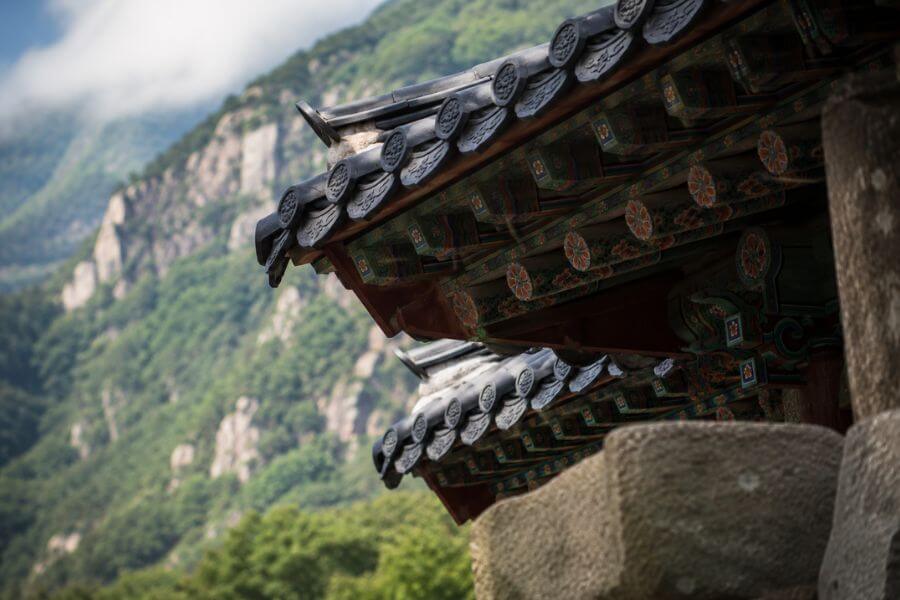
If you love nature, quiet mountain trails, and places that feel frozen in time, Korea’s Buddhist temples deserve a spot on your travel list. Many of the country’s most beautiful temples are hidden deep in the mountains, which means getting there often requires a scenic hike. The reward is worth every step.
As you walk through pine forests, stone stairways, and misty valleys, you discover temples surrounded by some of the most peaceful landscapes in South Korea. These places are not just religious sites. They are living parts of Korean history, culture, and daily life.
In this guide, you will discover the most breathtaking Korean Buddhist temples that are absolutely worth the hike. Some are famous UNESCO World Heritage sites, while others feel like hidden escapes far from busy city life. Whether you are a casual traveler, photographer, hiker, or spiritual explorer, these temples offer unforgettable experiences.
Quick Summary Table 🗺️
| Temple | Location | Why It’s Special | Hike Difficulty |
|---|---|---|---|
| Beopjusa Temple | Songnisan National Park | Giant Buddha statue and mountain scenery | Easy to Moderate |
| Haeinsa Temple | Gayasan National Park | Ancient Buddhist scriptures | Moderate |
| Bulguksa Temple | Gyeongju | Historic architecture and peaceful paths | Easy |
| Tongdosa Temple | Yangsan | One of Korea’s most sacred temples | Easy to Moderate |
| Seoraksan Sinheungsa | Seoraksan National Park | Stunning mountain views | Moderate |
| Magoksa Temple | Gongju | Quiet riverside forest atmosphere | Easy |
| Templestay at Golgulsa | Gyeongju | Unique cave temple experience | Moderate |
| Naejangsa Temple | Jeongeup | Famous autumn colors | Easy |
| Ssanggyesa Temple | Jirisan National Park | Cherry blossom hiking route | Moderate |
| Woljeongsa Temple | Pyeongchang | Beautiful fir tree trail | Easy |
How We Ranked These Temples 🧭
We selected these temples based on several important factors that matter most to travelers and hikers.
- Natural scenery around the temple
- Hiking experience and trail beauty
- Historical and cultural importance
- Temple architecture and atmosphere
- Seasonal beauty throughout the year
- Accessibility for travelers
- Unique experiences like meditation or temple stays
- Overall visitor experience
1. Beopjusa Temple in Songnisan National Park 🏔️
Located inside Songnisan National Park, Beopjusa Temple is one of the most impressive Buddhist temples in Korea. The hike to the temple is peaceful and beginner-friendly, making it perfect if you want beautiful scenery without an exhausting climb.
The highlight is the giant golden Buddha statue that rises above the trees. It creates an unforgettable first impression as you approach the temple grounds. Around the area, you will find old wooden halls, stone lanterns, and mountain streams flowing through the forest.
The trail itself feels calming. During fall, the mountain colors become especially breathtaking with red, orange, and yellow leaves covering the valley. In spring and summer, the fresh green forest gives the entire place a peaceful energy.
You will also notice how quiet the temple feels compared to more crowded tourist sites. Even on busy weekends, there are moments when you can hear nothing except birds and wind moving through the trees.
2. Haeinsa Temple in Gayasan National Park 📜
Haeinsa Temple is one of Korea’s most historically important temples. It is famous for housing the Tripitaka Koreana, a collection of ancient Buddhist scriptures carved onto thousands of wooden printing blocks.
The hike through Gayasan National Park adds to the magical atmosphere. The mountain roads are surrounded by dense forests, fresh air, and hidden valleys. As you climb higher, the noise of modern life slowly disappears.
When you finally arrive, the temple feels timeless. The wooden buildings sit naturally against the mountains, creating one of the most beautiful temple landscapes in Korea.
One of the best parts about visiting Haeinsa is the sense of peace you feel while walking around the temple grounds. Even travelers who are not religious often describe the experience as calming and emotional.
If you visit during foggy mornings, the mountains around the temple create an almost dreamlike view.
3. Bulguksa Temple in Gyeongju 🏯
Bulguksa Temple is one of Korea’s most famous cultural landmarks, and it fully deserves the attention it gets. Located in the historic city of Gyeongju, the temple combines mountain beauty with incredible architecture.
The hike leading to Bulguksa is not extremely difficult, but it gives you enough time to enjoy the forests and quiet surroundings before reaching the main gates.
What makes Bulguksa special is its balance between grand design and peaceful simplicity. The stone staircases, pagodas, bridges, and wooden halls all feel perfectly placed within the landscape.
Sunrise visits are especially memorable. Early morning light shining across the temple roofs creates a peaceful atmosphere that photographers absolutely love.
Nearby hiking trails also connect to Seokguram Grotto, another famous Buddhist site hidden higher in the mountains.
4. Tongdosa Temple in Yangsan 🔔
Tongdosa Temple is considered one of the three jewel temples of Korean Buddhism. Unlike many temples, it does not display a Buddha statue in the main hall because sacred relics are believed to be kept there instead.
The temple sits in a forested mountain area with streams, bridges, and shaded walking paths. The hike is comfortable for most visitors and feels more like a peaceful nature walk than a steep climb.
One thing you immediately notice is the calm atmosphere. Large trees surround the temple grounds, creating cool shade during summer. In winter, snow covering the temple roofs makes the scenery look almost unreal.
Tongdosa is also one of the best places to try a Korean temple stay experience. You can participate in meditation, tea ceremonies, and early morning chanting with monks.
The experience helps you slow down and appreciate the peaceful side of Korean culture.
5. Sinheungsa Temple in Seoraksan National Park ⛰️
Seoraksan National Park is already one of the most beautiful mountain destinations in Korea, and Sinheungsa Temple makes the experience even better.
The hike through Seoraksan is unforgettable. Massive rocky peaks tower above the forest trails, while streams and waterfalls appear throughout the route.
Before reaching the temple, you will see the famous giant bronze Buddha sitting quietly against the mountains. It creates one of the most iconic temple views in Korea.
Sinheungsa itself feels deeply connected to nature. Instead of standing apart from the mountains, the temple blends naturally into the landscape.
Autumn is the most popular season because of the colorful leaves, but every season offers something special. Winter snow transforms the entire area into a peaceful white landscape, while spring fills the mountains with fresh energy.
6. Magoksa Temple in Gongju 🌲
Magoksa Temple is often overlooked by international visitors, but many locals consider it one of Korea’s hidden gems.
The temple is surrounded by forests and sits beside a peaceful river, creating a relaxing atmosphere from the moment you arrive. The hiking trails nearby are gentle and ideal for travelers who prefer slower walks.
Unlike some larger temples, Magoksa feels intimate and personal. The wooden buildings blend beautifully with the natural environment, and the quiet setting makes it easy to relax.
One of the best things about Magoksa is how different it feels throughout the year. Spring flowers, green summer forests, colorful autumn leaves, and snowy winter mornings each create a completely different mood.
If you enjoy photography, this temple offers endless beautiful angles without huge tourist crowds.
7. Golgulsa Temple in Gyeongju 🥋
Golgulsa Temple is unlike any other temple in Korea. Built into a rocky mountainside, it is famous for its cave temple setting and traditional Sunmudo martial arts training.
The hike to Golgulsa is short but steep enough to feel rewarding. As you climb higher, the mountain views become more impressive, especially near sunset.
The stone Buddha carved into the cliffside creates one of the most unique temple sights in Korea. The temple itself feels adventurous compared to more traditional temple layouts.
Many visitors join temple stay programs here because they can learn meditation, breathing techniques, and martial arts directly from monks.
Even if you are not interested in martial arts, the peaceful mountain setting and dramatic cliff views make the hike worth it.
8. Naejangsa Temple in Jeongeup 🍁
Naejangsa Temple becomes incredibly famous during autumn when the entire mountain area explodes with red and orange leaves.
The hike to the temple is relatively easy, which makes it perfect if you want beautiful scenery without a difficult climb. Walking through the colorful tree tunnel during peak fall season feels almost magical.
The temple buildings themselves are elegant and simple, allowing the surrounding nature to remain the main attraction.
During early mornings, mist often covers the mountains and creates breathtaking photo opportunities. In quieter seasons, Naejangsa feels peaceful and relaxing without the heavy tourist crowds of autumn.
If you want to experience traditional Korean mountain beauty at its best, this temple belongs on your travel list.
9. Ssanggyesa Temple in Jirisan National Park 🌸
Located near Jirisan National Park, Ssanggyesa Temple is especially famous for its cherry blossom roads in spring.
The hike toward the temple passes through rivers, mountain forests, and scenic valleys. During cherry blossom season, pink flowers cover the roads and create one of Korea’s most beautiful spring landscapes.
The temple itself has a warm and welcoming atmosphere. Old stone walls, wooden halls, and quiet courtyards give it a timeless feeling.
Many travelers combine a visit to Ssanggyesa with longer hikes around Jirisan, one of Korea’s most important mountain regions.
The area also feels deeply connected to traditional Korean culture, making the experience feel more authentic than heavily commercial tourist spots.
10. Woljeongsa Temple in Pyeongchang 🌿
Woljeongsa Temple is famous for its beautiful fir tree path that leads visitors through a peaceful forest before reaching the temple grounds.
The walk itself is one of the best temple approaches in Korea. Tall trees line both sides of the trail, creating a calm atmosphere that instantly slows your pace.
The temple is located in Odaesan National Park, which offers additional hiking routes for visitors who want longer adventures in the mountains.
Winter is especially magical here because snow covers the forest and temple roofs. The scenery feels calm, quiet, and almost cinematic.
Woljeongsa is also a wonderful place for meditation and reflection. Many visitors say they leave feeling mentally refreshed after spending even a few hours there.
Conclusion ✨
Korean Buddhist temples offer much more than beautiful buildings. They combine mountain landscapes, history, spirituality, and hiking into one unforgettable experience.
Whether you are climbing rocky trails in Seoraksan, walking beneath autumn leaves in Naejangsan, or exploring peaceful forests near Woljeongsa, each temple gives you a different side of Korea.
The best part is that the journey itself becomes part of the experience. The forests, mountain air, and quiet trails help you slow down long before you even reach the temple gates.
If you want to experience Korea beyond busy cities and crowded shopping streets, these breathtaking temples are absolutely worth the hike.
Frequently Asked Questions ❓
What is the best season to visit Korean Buddhist temples?
Autumn is usually considered the best season because of the colorful leaves and cool hiking weather. Spring is also very popular thanks to cherry blossoms and comfortable temperatures.
Do I need hiking experience to visit these temples?
Most temple hikes are beginner-friendly. Some trails are steeper than others, but many can be completed comfortably by casual walkers.
Can foreigners stay overnight at Korean temples?
Yes. Many temples offer temple stay programs where you can sleep at the temple, eat traditional meals, meditate, and join monk activities.
Are Korean temples free to enter?
Some temples are free, while others charge small entrance fees, especially if they are located inside national parks.
What should you wear when visiting a Buddhist temple in Korea?
Comfortable walking shoes are recommended. You should also wear respectful clothing that is not too revealing, especially if you plan to enter prayer halls.