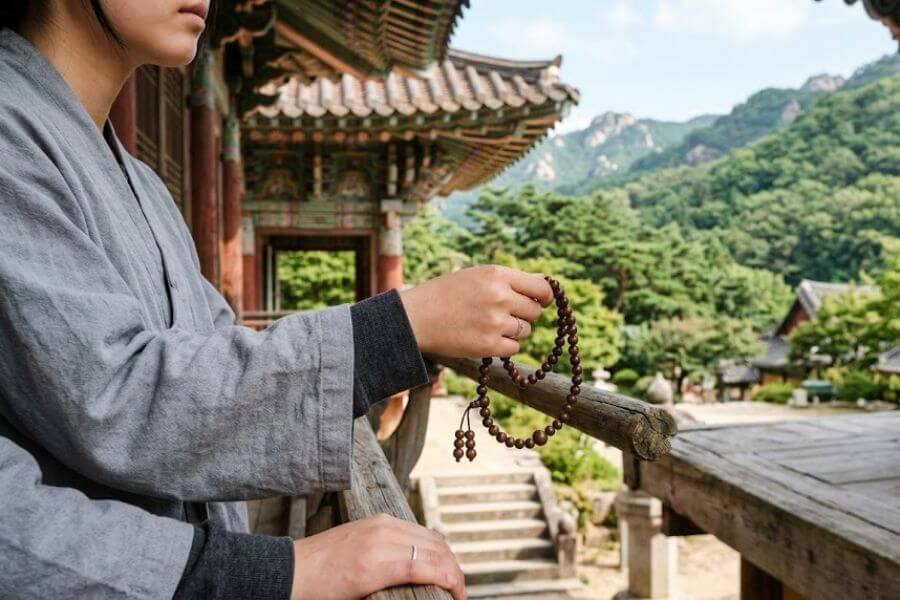
Are you looking to escape the buzz of modern life and discover a world of absolute calm hidden deep within the forested mountains of South Korea? A traditional temple stay invites you to step inside ancient wooden gates, wear loose-fitting cotton uniforms, and live exactly like a Buddhist monk or nun for a weekend. Whether you want to clear your mind, try mountain-grown vegetarian food, or learn the art of deep breathing, this immersion opens a door to ancient customs that have remained unchanged for over a thousand years. This comprehensive guide will show you exactly how to find, book, and enjoy your very first monastic retreat.
Understanding the World of Korean Temple Stays
Long before skyscrapers and high-speed trains filled the landscape, sanctuaries of quiet contemplation dotted the Korean peninsula. Today, these active monasteries open their doors to travelers from all walks of life, regardless of religious background. It is not about converting to a new belief system; it is about pausing your daily routine to learn from a culture rooted in mindfulness, self-reflection, and deep respect for nature.
The Origins of the Program
The official overnight program began in the early years of the twenty-first century to help international visitors experience authentic local heritage. What started as a unique cultural exchange has grown into a highly organized network of over a hundred official temples scattered across the country. Monks and nuns act as teachers, sharing their daily habits, architecture, and philosophical insights with curious guests.
What Makes a Temple Stay Unique
Unlike a typical mountain resort or a rustic cabin rental, a monastery is a living, breathing spiritual community. You are not a customer being served; you are a participant joining a structured lifestyle. The entire environment is geared toward looking inward, reducing personal waste, and finding peace through silent movement and communal effort.
Choosing Your Ideal Experience Style
Every traveler looks for something different when they seek out a retreat. Some people crave physical challenges and strict schedules, while others simply want to read a book by a mountain stream. To accommodate everyone, Korean monasteries divide their overnight options into two main categories.
Experience-Oriented Programs
If you want to fully immerse yourself in the life of a practitioner, this is the track for you. These weekend itineraries are highly structured and packed with traditional ceremonies. You will follow a strict clock, participating in group activities from before dawn until the stars fill the night sky. This style is fantastic for anyone who wants to learn the specific meanings behind every bow, chant, and drumbeat.
Typical activities include:
- Guided architectural tours of the sacred halls.
- Structured meditation sessions under the guidance of a monk.
- Hands-on crafting, such as making lotus-shaped paper lanterns or stringing wooden prayer beads.
- Early morning prayer services that require waking up before the sun.
Rest-Oriented Programs
If your daily life is exhausting and you simply need to recharge your batteries, a relaxation-based stay is a wonderful alternative. These bookings provide you with the necessary temple uniform and access to communal meals, but they leave the rest of your day completely wide open.
You can use this free time to:
- Stroll along forested paths and look at mountain waterfalls.
- Sit quietly in the main courtyard and listen to the wind chimes.
- Practice independent sitting or walking meditation in designated zones.
- Read, write in a journal, or sketch the historic wooden structures.
Program Comparison at a Glance
| Feature | Experience-Oriented Track | Rest-Oriented Track |
| Daily Schedule | Highly structured with fixed group hours | Very flexible with minimal mandatory turn-outs |
| Free Time | Limited to brief intervals between rituals | Plentiful throughout the morning and afternoon |
| Best For | Active learners, cultural buffs, and group travelers | Solitary thinkers, tired workers, and creative writers |
| Core Goal | To learn traditional Buddhist practices deeply | To rest the mind and body in a peaceful setting |
Top Beginner-Friendly Temples Across South Korea
Choosing the right location sets the tone for your entire journey. Some sanctuaries sit right in the heart of urban neighborhoods, while others require multiple bus transfers to reach remote cliffs. Here are some excellent options for first-time visitors, categorized by what makes them special.
Jogyesa: Urban Convenience in Central Seoul
For those who are nervous about traveling deep into the countryside or have limited time in their travel itinerary, this sanctuary is an ideal choice. Located right in the middle of a bustling neighborhood in downtown Seoul, it serves as the headquarters of the main Buddhist order in the nation.
- The Vibe: Vibrant, colorful, and heavily decorated with thousands of paper lanterns.
- Accessibility: Incredibly easy to reach via the metropolitan subway system.
- Language Support: Excellent, with dedicated staff fluent in multiple global languages.
Bongeunsa: A Quiet Oasis Among Skyscrapers
Situated directly across the street from a massive convention center in the flashy Gangnam district, this historic location provides a striking contrast between ancient heritage and ultra-modern architecture.
- The Vibe: Peaceful yet visually connected to the surrounding modern skyline.
- Key Feature: A towering stone statue of the Buddha overlooking the city.
- Great For: Short afternoon programs or quick overnight stays without leaving town.
Woljeongsa: Fir Tree Forests and Deep History
If you want the classic experience of a mountain monastery surrounded by thick woods, head to the eastern highlands. This sacred site sits within a majestic national park and is famous for its breathtaking nature trail lined with massive, ancient fir trees.
- The Vibe: Deeply connected to the natural world, cool, and mist-covered.
- Highlights: A stunning nine-story octagonal stone pagoda that has stood for centuries.
- Great For: Anyone who loves hiking, fresh mountain air, and walking meditation.
Golgulsa: Martial Arts and Active Movement
For a completely different twist on monastic life, this cliffside sanctuary near the historic city of Gyeongju focuses on physical movement. It is the international headquarters for Seonmudo, a traditional Buddhist martial art that blends yoga-like stretching with powerful, defensive movements.
- The Vibe: Energetic, athletic, and physically engaging.
- Unique Activities: Daily martial arts training sessions on outdoor platforms and spectacular live demonstrations by master practitioners.
- Great For: Active teenagers, fitness enthusiasts, and people who struggle to sit still during traditional meditation.
Step-by-Step Booking Process
Securing your spot at a monastery is an organized process, but it requires a bit of advanced planning. Because these are active places of worship rather than corporate hotels, you must follow the official channels to ensure a smooth registration.
Navigating the Official Portal
The central organization for Korean Buddhism runs a unified, bilingual booking platform that aggregates available dates, pricing, and specific program details for certified locations nationwide.
The Step-by-Step Reservation Sequence
- Visit the Central Website: Open the official portal dedicated exclusively to national temple stays.
- Filter by Region and Style: Use the search filters to select your preferred province and choose between an experience-based or a relaxation-based itinerary.
- Check Language Availability: Look for the specific English-friendly tag if you do not speak the local language. This ensures an English-speaking coordinator or interpreter will be on-site to guide you.
- Select Dates and Group Size: Input your exact arrival calendar date and the number of people traveling with you.
- Fill Out Personal Details: Provide accurate contact information, dietary notes, and uniform sizes.
- Complete the Payment: Pay the registration fee online using a standard international credit card. Prices generally range from fifty thousand to one hundred thousand Korean Won per person for a standard one-night stay, which covers all your lodging, meals, and activities.
- Receive Confirmation: Keep an eye on your email inbox for an official confirmation letter containing arrival instructions, check-in times, and local transportation maps.
Packing Checklist for First-Timers
When packing your backpack for a monastic retreat, the golden rule is simplicity. You do not need flashy outfits or heavy gadgets. In fact, bringing too much gear will only clutter your limited room space and distract from the experience.
What the Monastery Provides
- The Uniform: Upon arrival, you will receive a loose-fitting, comfortable set of cotton clothing, typically consisting of a vest and wide-legged pants. You will wear this uniform over your own t-shirt during your entire stay.
- Bedding: Traditional floor-bedding sets, including a thick padded mattress, a cozy quilted blanket, and a buckwheat-filled pillow.
- Basic Water: Access to filtered drinking fountains throughout the campus.
Essential Items You Must Bring
- Modest Under-Layers: Comfortable cotton t-shirts to wear underneath your uniform vest. Make sure they cover your shoulders completely and do not feature loud, bright graphics.
- Plenty of Socks: You will be removing your shoes constantly before entering any wooden hall. Walking around with bare feet is considered highly disrespectful, so pack several pairs of clean, comfortable socks.
- Comfortable Walking Shoes: Slip-on sneakers or sturdy walking shoes are ideal. You want something that is easy to step out of quickly but supportive enough for walking along unpaved gravel paths and stone stairs.
- Personal Toiletries: Bring your own toothbrush, toothpaste, biodegradable soap, shampoo, and a small towel. Most traditional monasteries do not supply these items in the bathrooms.
- Weather Layers: Mountain air cools down rapidly once the sun sets. Pack a warm fleece sweater, a windbreaker, or thermal layers if you are visiting during the autumn, winter, or early spring months.
- A Personal Refillable Bottle: Essential for staying hydrated during outdoor tours and long meditation blocks.
Things to Leave at Home
- Revealing Outfits: Leave short shorts, tank tops, tight leggings, and low-cut shirts behind.
- Flashy Jewelry and Perfume: Avoid heavy scents or loud, clinking bracelets that could disturb someone trying to meditate in total silence.
- Alcohol and Meat-Based Snacks: Bringing outside meat products, jerky, or alcoholic beverages onto the sacred grounds is strictly forbidden.
Golden Rules of Temple Etiquette
To ensure you have a meaningful stay and avoid accidentally offending the resident monastics, it is important to learn a few basic behavioral guidelines before you arrive. These rules are designed to maintain an atmosphere of mutual respect, quiet awareness, and community harmony.
Master the Half-Bow
The universal sign of greeting, gratitude, and respect in a Buddhist sanctuary is the half-bow, known locally as Hapjang.
To perform this gesture properly:
- Bring your palms together flat in front of your chest, pointing your fingers upward toward the sky.
- Keep your elbows slightly away from your torso.
- Look down modestly and bend forward from your waist at roughly a forty-five-degree angle.
- Straighten up smoothly.
Always perform a half-bow whenever you pass a monk, a nun, or a fellow practitioner on the pathways, and whenever you enter or exit a temple hall containing a statue of the Buddha.
Navigate the Sacred Halls Correctly
The ancient wooden pavilions are highly sacred spaces. Pay close attention to how you move around them.
- Take Off Your Shoes: Never step onto the raised wooden verandas or inside any indoor hall with your shoes on. Place them neatly on the outdoor shoe racks provided, facing the shoes outward so they are easy to step into when you leave.
- Use the Side Doors: The large, central front door of a main hall is reserved exclusively for the head monastics and sacred ceremonies. Regular visitors and guests should always use the smaller doors on the far left or far right sides of the building.
- Step Over the Threshold: The wooden doorframes feature a raised wooden beam at the bottom. Never step directly on this wooden beam, as it is considered bad luck and damages the ancient structure. Always step completely over it.
- Walk Quietly Along the Perimeter: If you need to move inside a hall while others are meditating or praying, walk quietly along the back walls rather than walking directly in front of the central altar.
Embrace the Concept of Noble Silence
Noise travels easily through thin paper-screen doors and wooden walls. Keep your speaking voice to a soft whisper at all times. Avoid running, shouting, or playing music out loud. There will be specific blocks of time, particularly after evening lights-out or during meals, where complete silence is requested. Use these windows to pay close attention to the sounds of nature around you.
A Detailed Walkthrough of a Typical First Day
To give you a clear picture of what to expect, let us look at how a classic experience-oriented itinerary unfolds from the moment you step onto the historic grounds on your afternoon of arrival.
14:00 – Check-In and Orientation
When you first arrive, you will head to the main temple stay registration office. The friendly staff will verify your booking, hand you your fresh uniform, and show you to your designated sleeping quarters. Once you have changed into your loose pants and vest, all participants will gather in a classroom hall for a brief introductory video. A guide will explain the layout of the grounds, demonstrate how to perform the traditional bows, and share the specific schedule for the weekend.
14:30 – The Guided Temple Architecture Tour
Next, your group will explore the historical grounds. The guide will point out the intricate, colorful paintings decorating the wooden eaves, known as Dancheong. You will learn how these mineral paints protect the wood from insects and weather while expressing deep symbolic meanings. You will also visit the main shrine hall, check out the ancient stone pagodas, and learn the fascinating history of how the sanctuary survived various historical events over the centuries.
15:30 – Traditional Tea Ceremony with a Monk
This is often the highlight of the weekend for many international travelers. You will sit cross-legged on comfortable floor cushions around a low wooden table opposite a resident monk or nun. The host will demonstrate how to carefully brew loose-leaf green tea, showing you how to hold the delicate ceramic cups without handles. As you sip the warm tea, you are invited to ask questions about monastic life, Buddhist philosophy, or how to handle stress in the modern world. The conversation is relaxed, warm, and full of gentle humor.
The Art of the Monastic Meal
Eating at a monastery is far more than just filling your stomach; it is a profound exercise in mindfulness and gratitude. Known traditionally as Balwoo Gongyang, this formal communal dining process follows strict ritual steps to ensure absolutely nothing is wasted.
The Philosophy of the Food
The kitchen staff prepares completely plant-based, vegan meals using seasonal vegetables grown directly in the mountain gardens or sourced from local farms. Following Buddhist principles, the food completely excludes the use of meat, fish, and dairy. It also avoids five pungent ingredients known collectively as the Osinchae: green onions, garlic, chives, wild rocambole, and onions. Practitioners believe these specific plants overstimulate the body and disturb the deep focus required for meditation. Instead, the chefs rely on natural fermentation, wild herbs, sesame oil, and aged soy sauces to create clean, rich flavors.
Dining Hall Guidelines
- Take Only What You Can Finish: When you walk down the buffet line, be incredibly mindful of your serving sizes. You can always go back for a second helping if you are still hungry, but your plate must be absolutely spotless when you finish. Leaving behind a single grain of cooked rice or a scrap of kimchi is considered a major breach of etiquette.
- Maintain Complete Silence: Do not talk, whisper, or make loud clinking noises with your metal utensils while eating. Focus your entire attention on the taste, texture, and aroma of the food, reflecting on the hard work of the farmers who grew it and the cooks who prepared it.
- Wash Your Own Dishes: Once you finish your meal, you will carry your bowls to a communal washing station. You will scrub your own dishes clean with soap and water, dry them carefully, and return them to their proper storage shelves for the next meal.
Evening Rituals: Bells, Chants, and Bowls
As the twilight shadows lengthen across the mountain valley, the entire atmosphere of the sanctuary shifts into a deeply mystical phase. The evening rituals are designed to clear away the mental clutter of the day and prepare the spirit for rest.
The Sounding of the Four Dharma Instruments
Shortly before the evening prayer service begins, everyone gathers near the open-air pavilion housing the four grand ceremonial instruments. Monks take turns striking these beautifully crafted pieces in a specific, hypnotic rhythm. Each instrument carries a deep symbolic mission to awaken and bring peace to different types of living beings across the universe.
- The Grand Dharma Bell: A massive bronze bell struck with a swinging wooden log. Its deep, resonant vibration echoes through the entire mountain valley, meant to save suffering spirits in the underworld.
- The Wooden Fish: A hollow wooden drum carved in the shape of a fish with a wide-open mouth. As a monk beats the inside of the structure with two wooden mallets, the clacking sound sends a message of peace to all creatures living beneath the water.
- The Cloud-Shaped Gong: A flat metal plate shaped like a puffy cloud. When struck, its bright, metallic ring speaks directly to the birds of the air and the spirits flying through the sky.
- The Leather Drum: A grand barrel drum covered in animal hide. The thundering, powerful beat starts slow and builds to an intense roar, representing an awakening call to all four-legged animals walking upon the earth.
Yebul: The Evening Chanting Service
Once the final bell ring fades away, you will enter the candle-lit main hall for Yebul, the core ceremonial service performed three times a day. You will stand in neat rows on your individual floor mats behind the regular practitioners. As the monastics begin to chant in beautiful, low-toned unison, you will follow their physical movements. The service involves a repetitive sequence of standing up straight, kneeling down smoothly, lowering your forehead all the way to the floor with your palms turned upward, and rising up again. The rhythmic combination of deep vocal chanting and smooth physical bowing creates a peaceful, hypnotic focus that settles the mind completely.
Mastering the 108 Prostrations
Often scheduled for the late evening or the early dawn hours, the ritual of performing one hundred and eight individual full-body bows is one of the most physically demanding yet emotionally rewarding aspects of a temple stay.
The Meaning Behind the Number
In Buddhist philosophy, human beings experience one hundred and eight distinct types of worldly anxieties, attachments, and distracting illusions that clutter the mind. By performing exactly one hundred and eight physical prostrations, you symbolically acknowledge, let go of, and clear away each individual worry one bow at a time. It is an exercise designed to cultivate deep personal humility and wash away egoism.
The Step-by-Step Bowing Movement
- Start at Attention: Stand tall with your feet together and your hands held flat in front of your chest in the classic half-bow position.
- Drop to Your Knees: Gently lower your knees down to the padded floor mat.
- Lower Your Upper Body: Bend forward from your waist, placing your palms flat on the mat in front of you.
- Touch the Floor: Lower your forehead down until it rests gently on the mat between your hands.
- Turn Your Palms Up: Raise your hands slightly off the floor near your ears, turning your palms upward toward the ceiling in a gesture of receiving wisdom and supporting the feet of the Buddha.
- Return to Stand: Lower your palms back down, press your body up onto your knees, and stand all the way back up to the starting position using your core strength.
Survival Tips for Beginners
Do not worry about keeping up with the speed of the person next to you. If you feel dizzy, out of breath, or if your knees start to ache, simply sit quietly on your mat with your hands folded and join back in whenever you feel ready. Focus entirely on your own breathing, treating each movement as a slow, deliberate wave of physical relaxation.
Morning Rituals: Waking Up at Dawn
The second day of your retreat begins long before the rest of the modern world even thinks about opening its eyes. Living by the clock of nature means matching your energy to the absolute start of the day.
03:30 – The Wake-Up Call
The morning begins with the sound of a small hand-bell or a wooden clapper echoing outside your window along the dark pathways. There are no loud alarms or bright lights. You will quickly fold your bedding, place it neatly inside the wall closets, wash your face, and step outside into the crisp, cool morning air. The stars are often incredibly bright at this hour, and the mountain air smells intensely clean.
04:00 – The Dawn Yebul Service
You will walk along the dark gravel paths to the main hall for the first official prayer service of the day. The dawn chanting is faster and more energetic than the evening service, designed to shake off any remaining sleepiness and welcome the morning light with an active, focused mind. Watching the early morning light slowly illuminate the ancient golden statues while the chanting echoes through the dark forest is an unforgettable visual experience.
05:00 – Chamseon: Traditional Sitting Meditation
Following the morning service, your group will gather in the quiet meditation hall to learn Chamseon, the style of Zen meditation practiced throughout the nation. A monastic instructor will show you how to arrange your legs comfortably in a cross-legged position and place your hands together in your lap to form a closed energy loop.
- Keep Your Eyes Half-Open: Unlike Western style meditation where you close your eyes completely, traditional Chamseon requires you to keep your eyelids lowered halfway, focusing your gaze at a spot on the floor roughly three feet in front of you. This prevents you from falling asleep while keeping outside visual distractions away.
- Focus on Your Breath: You will learn to count each breath silently from one to ten, restarting the count if your mind wanders off to think about your travel plans or dinner ideas.
- The Walking Alternative: If your legs fall asleep or cramp up during the session, the monk will lead the group in a slow walking meditation along the perimeter of the room, matching each slow footstep to a deep inhale and exhale.
Final Reflections, Clean-Up, and Departure
As your twenty-four-hour stay draws to a close after breakfast, it is time to wrap up your experience, show respect for the space you occupied, and prepare to transition back into your normal routine.
Cleaning Your Quarters
Monastic life prioritizes leaving a space better than you found it. Before you check out, you will spend some time thoroughly organizing your room:
- Sweep the floors to remove any dust or stray hairs.
- Fold your uniform pieces neatly and place them in the designated laundry bins outside the office.
- Wipe down any surfaces you used.
- Ensure the bathroom is spotless for the next traveler.
The Closing Group Photo and Feedback
Most experience-oriented programs conclude with a quick group meeting where participants can share their thoughts, fill out a brief feedback survey, and take a commemorative photograph with the coordinator monks. You will often receive a small souvenir, such as a bookmark or your handmade bead bracelet, to remind you of the quiet moments you spent within the mountain walls. As you step back outside the main gates and head toward the local bus station, you will likely notice that your mind feels lighter, your shoulders feel more relaxed, and the chaotic noise of the modern world sounds a little bit softer.
Frequently Asked Questions
Do I have to be a Buddhist to join a temple stay program?
No, you do not need to be a Buddhist or have any prior knowledge of religion to participate. The program is specifically designed as a cultural immersion and mindfulness experience open to people of absolutely all religious faiths, backgrounds, and belief systems. Everyone is welcome to join, and the monastics treat every guest with equal warmth and hospitality.
What should I do if my legs hurt during cross-legged meditation?
It is completely normal for beginners to experience stiffness or leg cramps when sitting on the floor for long periods. You are never forced to endure severe physical pain. If your legs begin to ache or go numb, you can quietly shift your weight, stretch your legs out straight in front of you, or change your position to a more comfortable stance. Many monasteries also provide small wooden blocks or extra floor cushions to help prop up your hips and take the pressure off your knees.
Are the sleeping arrangements separated by gender?
Yes, traditional monasteries strictly enforce separate sleeping quarters for male and female guests. Even if you are traveling as a married couple or a co-ed family group, you will be assigned to separate rooms for the overnight portion of your stay. Men and women share communal spaces during meals, tours, and meditation sessions, but return to their respective designated halls when the evening lights-out bell rings.
Is there internet access or Wi-Fi available at the temples?
While some modern temple stay administrative offices might have basic internet connectivity, guest rooms and communal halls generally do not offer public Wi-Fi networks. Participants are strongly encouraged to put their smartphones, tablets, and digital gadgets inside their bags for the entire duration of their stay. Unplugging from the digital world is an essential part of experiencing true monastic silence and focusing on your immediate surroundings.
Can people with strict dietary restrictions or food allergies participate?
Because all monastic meals are naturally completely plant-based and vegan, individuals who avoid meat, poultry, seafood, dairy, and eggs can eat safely without any worries. If you have a specific, severe food allergy to ingredients like soy, wheat, or nuts, you must clearly write down your restrictions on your online registration form during the booking process so the kitchen staff can be alerted well in advance.
What happens if I cannot wake up for the early dawn service?
While full participation in all scheduled activities is highly recommended to get the absolute most out of your monastic immersion, attendance at the three-thirty morning wake-up call is technically optional for rest-oriented guests. If you feel unwell, overly exhausted, or physically unable to join the dawn chanting, you may remain quietly in your room and rest. However, you must ensure that your absolute silence does not disturb the other participants who are waking up to attend the service.