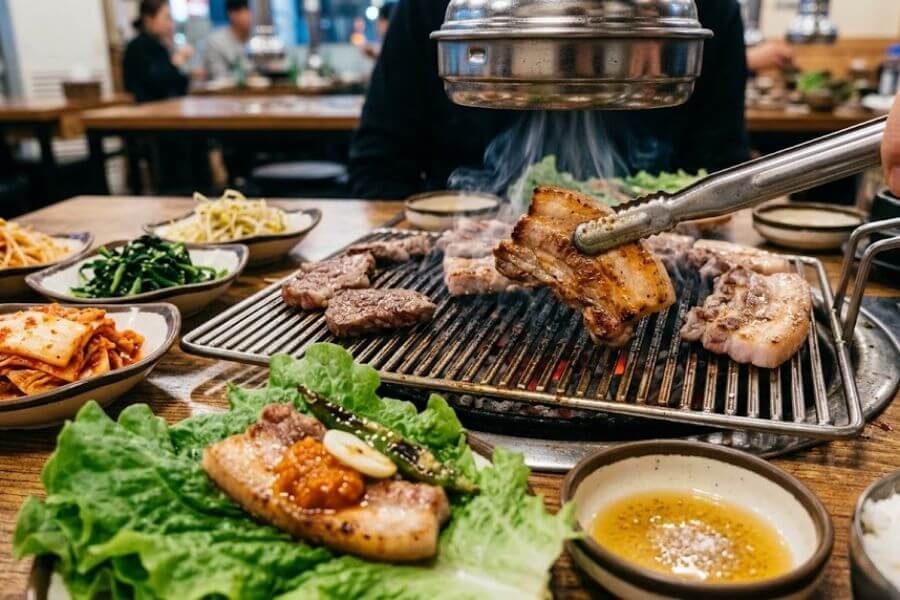
Walking into a Korean BBQ restaurant is like stepping into a high-energy food festival where you are the head chef. The air is thick with the sweet, smoky aroma of sizzling meats, the room buzzes with chatter, and every table has its very own grill built right into the center. If you are new to this style of dining, it might feel a little intimidating at first. You might wonder who does the cooking, what all those tiny little dishes are for, and how to make the perfect bite. Do not worry at all. This ultimate guide will walk you through every single step of the process, from the moment you sit down to the very last delicious bite, making sure you look and feel like a seasoned pro.
Setting the Stage for Your Feast
The first thing you will notice when you walk into a Korean BBQ joint is the unique setup. Unlike regular restaurants where you wait for a plate of fully cooked food to arrive from the back kitchen, Korean BBQ is an interactive, hands-on experience. Your table is literally the kitchen counter, and the grill in the middle is your stove.
Above your table, you will likely see a long, metallic, accordion-style tube hanging from the ceiling. This is the exhaust hood, and its job is to suck up the smoke right from the grill so the room stays clear. Do not be afraid to adjust it if it gets in your way, though usually, the restaurant staff will position it perfectly for you.
When you sit down, take a look at the table setup. You will find a pair of long metal chopsticks and a flat metal spoon. Korean chopsticks are traditionally flat and made of stainless steel, which can feel a little slippery if you are used to wooden ones, but you will get the hang of it quickly. You will also see a pair of long metal tongs and a large pair of kitchen scissors. These are not for arts and crafts; they are your primary cooking tools.
One great insider secret to look out for is the hidden storage. Because grilling meat creates smoke and splatters a little bit of grease, many Korean BBQ restaurants have clever ways to protect your belongings. Check your chair or the booth seat. Very often, the cushion lifts right up like a lid, revealing a hollow space inside where you can safely stash your jacket, backpack, and purse so they do not smell like smoke later. If the seats do not open, look around for large plastic bags provided by the staff for the exact same purpose.
Understanding the Menu and Ordering
When you open the menu, it can look a little overwhelming with all the different cuts of meat. The most important choice you need to make right off the bat is between pork and beef, and whether you want your meat marinated or unmarinated.
As a general rule of thumb, you should always start your meal with unmarinated meats and move to marinated meats later. Why do we do this? Marinated meats are coated in sweet, savory sauces that contain sugar. When sugar hits a hot grill, it caramelizes and burns quickly, leaving a sticky, dark residue on the metal cooktop. If you cook marinated meat first, that burnt sauce will ruin the flavor of your unmarinated meats. Starting clean allows you to taste the true flavor of the high-quality cuts first.
Let us break down the most popular cuts you will encounter on a standard Korean BBQ menu so you know exactly what you are getting.
Popular Pork Cuts
- Samgyeopsal (Pork Belly): This is the undisputed king of Korean BBQ. It looks like very thick cuts of raw bacon, featuring distinct layers of meat and fat. When grilled correctly, the fat melts and turns incredibly crispy on the outside while staying juicy on the inside. It is rich, savory, and a total must-order.
- Moksal (Pork Neck or Shoulder): If you prefer a meatier, less fatty option than pork belly, moksal is your best bet. It is a thicker, leaner cut that stays remarkably tender and juicy when grilled, offering a deep pork flavor.
- Dwaeji Galbi (Marinated Pork Ribs): These are tender pork ribs soaked in a sweet and savory soy-based marinade. They carry a wonderful balance of garlic, soy sauce, and sweetness, cooking up beautifully with a nice charred edge.
Popular Beef Cuts
- Bulgogi (Marinated Thinly Sliced Beef): This is probably the most famous Korean meat dish worldwide. It consists of paper-thin slices of beef ribeye or top sirloin that have been swimming in a delicious sweet, savory, and garlicky marinade. Because it is so thin, it cooks incredibly fast and melts in your mouth.
- Galbi (Beef Short Ribs): This is a premium choice. Galbi is often butterflied off the bone into long, beautiful strips. It can come unmarinated to show off the natural beef flavor, or marinated in a rich, sweet soy sauce blend. It is tender, beautifully marbled with fat, and absolutely delicious.
- Chadolbaegi (Thinly Sliced Beef Brisket): These are rolled-up ribbons of unmarinated beef brisket that look like little scrolls. Because they are sliced so thin, they cook in a matter of seconds the moment they touch the hot grill. They are crunchy, fatty, and perfect for satisfying your hunger immediately while your thicker meats cook.
How Much Food to Order
Ordering the right amount of food is an art form. Most restaurants require you to order at least two portions of meat to start the grill. If you are dining with a friend, ordering two or three portions total is usually a perfect starting point. You can always add more as you go.
| Meat Type | English Name | Flavor Profile | Cooking Order |
| Chadolbaegi | Beef Brisket | Rich, fatty, unmarinated | First (cooks instantly) |
| Samgyeopsal | Pork Belly | Super savory, crispy, unmarinated | Early in the meal |
| Moksal | Pork Shoulder | Meaty, tender, unmarinated | Early in the meal |
| Bulgogi | Sliced Beef | Sweet, garlicky, marinated | Later in the meal |
| Dwaeji Galbi | Pork Ribs | Sweet, smoky, marinated | Later in the meal |
The Wonderful World of Banchan
Right after you place your order, something magical will happen. The server will slide over and completely cover your table with an army of tiny, colorful bowls. These are called banchan, which translates directly to side dishes.
The most important thing to know about banchan is that they are completely free and unlimited. They come included with your meal, and they are meant to be shared by everyone at the table. If you empty a bowl of something you really love, do not hesitate to ask your server for a refill by waving politely and pointing to the dish.
Banchan are not appetizers to be eaten before the meat arrives. Instead, they are designed to be eaten with the meat. Think of them as a team of flavor helpers. Because grilled meat is rich, fatty, and heavy, these side dishes are intentionally sour, salty, spicy, or crunchy to cut through the grease and refresh your palate between bites.
The Most Common Side Dishes
- Kimchi: The ultimate staple of Korean cuisine. This is fermented cabbage or radish coated in a spicy sauce made of chili flakes, garlic, and ginger. It is sour, spicy, and deeply complex. You can eat it raw, or drop a few pieces directly onto the grill to warm them up and mellow out the sourness.
- Gamja Salad (Potato Salad): This is a sweet, creamy, mashed potato salad that often contains tiny bits of apple, carrot, or cucumber. It provides a wonderful, cooling contrast to the spicy and savory flavors on the table.
- Sigeumchi Namul (Seasoned Spinach): Blanched spinach lightly tossed with sesame oil, garlic, and toasted sesame seeds. It is mild, nutty, and highly refreshing.
- Oi Muchim (Spicy Cucumber Salad): Crisp slices of cucumber tossed in a light chili flake and vinegar dressing. It delivers a loud, satisfying crunch and a burst of refreshing moisture.
- Odeng (Fish Cakes): Thin strips of savory fish cake stir-fried with sweet soy sauce and sesame seeds. They have a chewy texture and a gentle, comforting flavor.
Master the Dipping Sauces and Wraps
Before you start cooking, you need to understand the individual dipping items placed directly in front of you. Every person gets their own set of sauces, along with a plate of fresh vegetables. These elements are essential for building the perfect Korean BBQ bite.
The vegetable plate usually features large, beautiful green lettuce leaves, perilla leaves (which look like jagged-edged mint leaves but taste herbaceous and slightly like licorice), and sometimes sliced raw garlic and green chili peppers.
Let us look at the primary sauces and condiments you will use to flavor your food.
Ssamjang
This is the thick, orange-brown paste that you will find yourself reaching for constantly. It is a magical blend of fermented soybean paste (doenjang) and spicy chili paste (gochujang), mixed with sesame oil, garlic, and a touch of sugar. It is savory, slightly sweet, and packed with deep flavor without being overly spicy. It acts like the glue that brings your whole bite together.
Gireum-jang
This is a very simple but incredibly flavorful dipping sauce made of toasted sesame oil mixed with a generous pinch of salt and cracked black pepper. It is traditionally paired with unmarinated meats like pork belly or beef brisket. The rich sesame oil highlights the natural, savory depth of the meat without hiding it behind a heavy sauce.
Sliced Garlic and Chilis
You will often receive a little bowl of raw garlic slices and sliced green chilis. If you like a sharp, spicy bite, you can eat them raw. However, the true pro move is to place them directly on the outer edges of the grill. They will slow-cook in the dripping oils from the meat, turning soft, sweet, and golden brown, much like roasted garlic.
The Art of Grilling Like a Pro
Now it is time for the main event: the cooking. At some restaurants, the servers will do all the grilling and cutting for you, especially if the restaurant is not too busy or if you are ordering premium, expensive cuts of beef. However, at many traditional spots, you are in charge of your own grill.
If the server drops the meat off and walks away, do not panic. Grab those tongs and get ready to cook. Grilling at a Korean BBQ table requires focus, patience, and a few key techniques to ensure everything turns out perfectly juicy and delicious.
Golden Rules of the Grill
First, let the grill get hot before you put any meat down. You should hear a loud, proud sizzle the exact second the meat touches the metal. If it goes down silently, the grill is too cold, and your meat will steam instead of getting a beautiful, golden brown crust.
Second, do not crowd the grill. Leave a little space between the pieces of meat so the hot air can circulate freely. If you throw everything on at once, the temperature of the grill will drop rapidly, and the meat will cook unevenly.
Third, use your scissors wisely. Thick cuts like pork belly or big short ribs are placed on the grill completely whole. You do not cut them beforehand. Let the whole piece cook on one side until it gets a nice brown color, flip it over to cook the other side, and only then use your tongs and scissors to snip it into bite-sized pieces. Cutting the meat after it has seared helps lock all the precious juices inside, keeping it tender.
Fourth, manage your marinated meats carefully. As we mentioned, marinated meats burn very easily. Keep a close eye on them and flip them frequently. If you see the grill surface turning black and crusty, do not try to scrape it off yourself. Catch the eye of a server, wave politely, and say “bupan bakkwaju-seyo” or simply point to the grill and ask for a clean plate. They will happily lift up the hot, dirty grill topper with special tools and replace it with a fresh, sparkling clean one in seconds.
[Raw, Thick Meat] ➔ [Sear Side A] ➔ [Flip to Side B] ➔ [Cut into Bite-Sized Pieces] ➔ [Final Toss & Eat]
How to Assemble the Perfect Ssam
In Korean, the word ssam means wrap, and learning how to build one is the ultimate milestone of your Korean BBQ journey. Eating the meat straight off the grill is perfectly fine, but wrapping it up with various toppings is where the flavor truly explodes.
Building a ssam allows you to combine hot, savory meat with cold, crunchy, sour, and spicy side dishes, creating a perfect ecosystem of flavors in a single mouthful. Here is a foolproof guide to assembling yours like an expert.
Step-by-Step Wrap Assembly
Start by picking up a fresh lettuce leaf and placing it flat in the palm of your non-dominant hand. If the leaf is massive, you can tear it in half so your final wrap is not too big. If you like herbal notes, place a perilla leaf right on top of the lettuce.
Next, grab a piece of hot meat directly from the grill using your chopsticks, dip it lightly into your sesame oil or ssamjang, and place it right in the center of your leaf bed.
Now comes the fun part: adding your flavor helpers. Grab a piece of kimchi, maybe a little bit of the seasoned spinach, or a piece of that grilled, sweet garlic you cooked on the edge of the grill. Use a chopstick to dab a small dollop of ssamjang paste right onto the toppings.
Finally, fold the edges of the lettuce leaf over the filling, tucking everything in securely to create a neat, compact little pocket.
The Golden Rule of Ssam Etiquette
There is one major rule when it comes to eating a ssam, and it is absolutely non-negotiable: you must eat the entire wrap in one single bite.
Do not try to take a partial bite out of it. If you do, the wrap will break apart, juices will run down your chin, and toppings will spill all over your plate. It ruins the whole experience. Instead, design your wrap from the very beginning to be small enough to fit comfortably inside your mouth all at once. Pop it in, close your mouth, chew, and enjoy the incredible symphony of textures and flavors.
Essential Korean BBQ Etiquette
Dining in a Korean restaurant is a deeply social activity centered around community and sharing. Because everyone is eating out of the same shared bowls and cooking on the same grill, there are a few polite cultural habits you should keep in mind to show respect to your dining companions.
First, always respect your elders and your guests. If you are dining with people who are older than you, it is customary to wait for them to pick up their chopsticks and take the very first bite of food before you begin eating yourself. It is also a very polite gesture to offer to do the grilling for the table so your guests can relax and enjoy the food.
Second, use your tools properly. Use the heavy metal cooking tongs to handle the raw meat and move it around on the grill. Do not use your personal chopsticks to flip raw meat, as this can spread bacteria. Once the meat is completely cooked and cut into pieces, then you can use your chopsticks to pick up your pieces and eat.
Third, be mindful of sharing. Since the side dishes are placed in the middle for everyone, try not to double-dip your utensils directly into the bowls if you have already taken a bite with them. Use a clean spoon or chopstick to move a portion of a side dish to your personal plate if you prefer.
Finally, think about beverage etiquette if your table is enjoying drinks together. In Korean culture, it is considered impolite to pour your own drink. Instead, keep an eye on your friends’ glasses. If you see their glass getting low, pick up the bottle with both hands and fill it up for them. When they notice your glass is empty, they will return the favor. When someone is pouring a drink for you, hold your cup with both hands as a sign of appreciation and respect.
Completing the Meal with Essential Extras
While meat is clearly the star of the show, a Korean BBQ meal is never truly complete without ordering a few supporting dishes to round out the experience. These dishes are typically ordered halfway through the meal or right at the end to clean your palate and fill any remaining empty corners of your stomach.
Rice (Bap)
A simple bowl of warm, fluffy white rice is a fantastic addition to your meal. The neutral flavor of the rice provides a perfect balance to the rich, salty, and intensely savory flavors of the grilled meats and spicy kimchi. Many people like to tuck a small spoonful of rice right inside their lettuce wraps along with the meat.
Stews (Jjigae)
Korean stews are served boiling hot in heavy black clay pots that keep the liquid bubbling for a long time. They are deeply savory and perfect for pouring over your rice.
- Doenjang Jjigae (Soybean Paste Stew): This is the traditional companion to Korean BBQ. It is a rich, earthy, savory broth made from fermented soybean paste, packed with cubes of soft tofu, zucchini, onions, and often little bits of beef or seafood. It is warm, comforting, and highly satisfying.
- Kimchi Jjigae (Kimchi Stew): A fiery, bright red stew made with deeply fermented kimchi, fatty pork belly, and tofu. It is spicy, sour, and intensely flavorful, making it excellent for cutting through the richness of grilled pork belly.
Cold Noodles (Naengmyeon)
This is the ultimate traditional finale to a barbecue feast, especially during the warm summer months. Naengmyeon consists of very thin, chewy noodles made from buckwheat or potato starch, served in a tangy, icy-cold broth that sometimes features actual ice cubes floating on top.
It is topped with crisp slices of cucumber, Korean pear, and a hard-boiled egg. The freezing, refreshing, and vinegary broth shocks your palate clean after eating hot, heavy grease, leaving you feeling light, refreshed, and incredibly satisfied as you finish your meal.
Frequently Asked Questions
Who is supposed to cook the meat at a Korean BBQ restaurant?
At many traditional or casual Korean BBQ spots, you are expected to cook the meat yourself. The server will bring out the raw platters, make sure your grill is turned on, and leave you to manage the cooking. However, at upscale restaurants, or if the staff notices you are struggling, a server will often step in to flip, grill, and cut the meat for you. If they leave the tongs at your table, it is your signal to take over the cooking duties.
What should I do if my grill surface gets black and burnt?
Do not try to scrape the burnt food or marinade off the metal yourself. Instead, capture the attention of a staff member and ask for a grill change. They have specialized tools to lift the hot, dirty plate off and replace it with a clean one in a matter of seconds. Changing the grill topper ensures your remaining meats cook evenly and do not pick up a bitter, burnt taste.
Are the tiny side dishes free, and can I ask for more?
Yes, all the little side dishes, known as banchan, are completely free and unlimited. They come automatically with your meat orders. If you finish a bowl of your favorite side dish, you can politely ask your server for a refill, or check to see if the restaurant has a self-service salad bar where you can scoop out refills yourself.
Can I take home the leftover raw meat or side dishes?
You generally cannot take home leftover side dishes since they are communal, free items meant for dining in. If you have leftover cooked meat, most restaurants will happily provide a box for you to take it home. However, taking home leftover raw meat is often discouraged due to food safety and health regulations, so it is best to cook everything on your grill before asking for a container.
Do I have to wrap every single piece of meat in a lettuce leaf?
Not at all. While making a lettuce wrap is a highly popular and traditional way to enjoy the food, you can absolutely eat the meat straight off the grill. You can simply dip a piece of crispy pork belly into the sesame oil sauce or dab some savory paste onto a slice of beef and eat it plain with a bowl of rice. Feel free to mix up how you eat each piece throughout your meal.