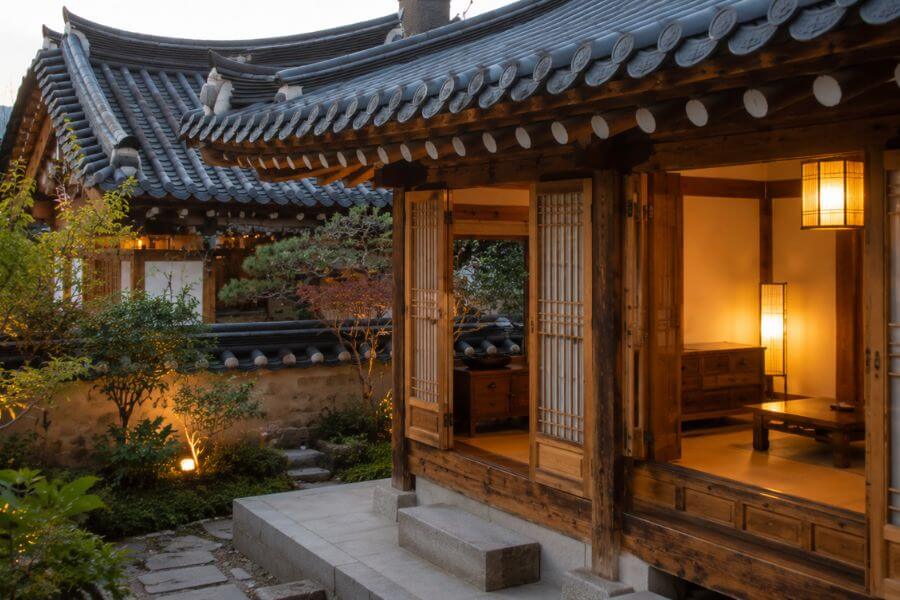
Key Takeaway
Staying in a traditional Korean house, known as a hanok, is much more than finding a unique place to sleep. It is a beautiful way to step back in time, experience life at a slower pace, and see how ancient wisdom shaped everyday living. By understanding the rich history behind these wooden homes, you can fully appreciate their architectural genius, from the heated floors that keep you cozy in the winter to the open wooden porches that catch summer breezes. Choosing the right hanok stay allows you to connect deeply with Korean culture, support local preservation, and enjoy a peaceful escape from the fast pace of modern city life.
The Spirit and Soul of the Hanok
To truly understand a hanok, you have to look beyond the wood, clay, and paper. These houses are a direct reflection of how ancient Koreans viewed their place in the universe. For centuries, builders did not look at a piece of land as something to conquer or change completely. Instead, they looked at the natural landscape with deep respect and asked how a home could fit into that space without causing any disruption.
This mindset comes from a mix of traditional beliefs, including a deep love for nature and a desire to live in harmony with the changing seasons. When you step inside a traditional Korean home, you are stepping into a structure designed to breathe. The materials come straight from the earth around it, and the layout follows the natural shape of the land.
Every single corner of a hanok has a purpose. There is no wasted space, yet there is a strong feeling of openness. The rooms are designed to change throughout the day. A single space might serve as a dining room in the morning, a peaceful study or work area during the afternoon, and a cozy bedroom at night. This flexibility is a beautiful example of how simple living can be both practical and deeply satisfying.
Architectural Principles Rooted in Nature
The way a traditional Korean house is built depends entirely on its relationship with the natural elements. Long before modern air conditioning or central heating existed, Korean builders figured out how to keep indoor spaces comfortable through smart design and a deep knowledge of the local weather.
The most important concept in choosing the location for a hanok is a traditional practice that translates to finding the perfect spot between mountains and water. Ideally, a house should have a high mountain behind it to block the freezing winds that blow down from the north during the winter. At the same time, it should face a river, stream, or open valley to the south to catch the cool, refreshing breezes during the hot summer months.
This careful placement does more than just protect the house from harsh weather. It also ensures that the home receives plenty of natural sunlight throughout the year. The angle of the roof is specifically designed to let the low winter sun shine deep into the rooms to warm them up, while blocking the high, intense summer sun to keep the interior cool and shaded.
The Materials That Breathe
One of the most remarkable things about a traditional Korean house is that it is made entirely out of natural, non-toxic materials. If you were to take a hanok apart, every single piece could return to the earth without causing any harm to the environment. The core structure relies on five main elements: wood, earth, stone, straw, and traditional paper.
The skeleton of the house is made of sturdy wooden beams and posts, usually cut from local pine trees. These wooden pieces are crafted with incredible skill. Builders do not use metal nails to hold the main frame together. Instead, they cut complex joints into the wood, allowing the pieces to fit together tightly like a giant puzzle. This ancient method makes the house remarkably strong and flexible, helping it withstand strong winds and movements in the earth.
The walls are made from a mixture of red clay, straw, and water, which is packed tightly between wooden slats. This clay mixture acts as a natural temperature regulator. When the weather is humid, the clay absorbs moisture from the air. When the air becomes dry, the clay releases that moisture back into the room.
The windows and doors are covered with a special handmade paper made from the bark of mulberry trees. This paper is surprisingly tough and plays a huge role in keeping the indoor air fresh. It allows fresh air and light to filter through gently while blocking harsh glare and keeping out insects.
The Magic of the Heated Floor
Winter in Korea can be incredibly cold, but the hanok has a secret weapon that keeps the inside perfectly warm and cozy. This ancient underfloor heating system uses heat from a fireplace to warm up the stone floors of the living spaces.
The system is a true marvel of ancient engineering. The fireplace is usually located in the kitchen or on an outside wall of the house, lower than the rest of the rooms. When a fire is lit for cooking or warmth, the hot smoke and air do not just go straight up a chimney. Instead, they are channeled through a series of horizontal stone flues or tunnels built directly underneath the floors of the residential rooms.
As the hot smoke travels through these tunnels, it heats up large, flat stones placed on top of the flues. These stones hold onto the heat for a very long time, radiating a gentle, soothing warmth upward through the clay floor and into the room. By the time the smoke reaches the vertical chimney on the opposite side of the house, it has cooled down significantly because most of its heat has been transferred to the floor.
Because the heat comes from the ground up, the air near your feet stays warm, which makes sitting, relaxing, and sleeping on the floor an incredibly comfortable experience. It creates a completely different feeling than modern central heating systems, which often leave the air dry and stuffy.
The Cool Wooden Porch for Summer Days
While the heated floor is designed to conquer the freezing winter, the open wooden porch is the ultimate solution for the hot and humid summer months. This elevated wooden platform acts as a bridge between the indoor rooms and the outdoor courtyard.
The porch is raised off the ground to allow air to circulate freely underneath it, which helps keep the wood cool. It is usually completely open to the courtyard on one or more sides, creating a space where you can sit and enjoy the beauty of the garden without being directly exposed to the hot sun or rain.
During the summer, the doors of the adjacent rooms can be lifted completely and hooked up to the ceiling. This opens up the entire house, turning the indoor rooms and the wooden porch into one large, continuous space. This layout allows even the slightest breeze to move through the house, carrying away heat and humidity.
The wooden porch is often the center of family life during the warmer months. It is where people gather to eat meals, share stories, receive guests, or simply take a peaceful afternoon nap while listening to the sound of birds or falling rain in the courtyard.
Traditional House Layouts Across the Country
Korea has a diverse landscape with varying weather patterns, and the design of the traditional house changed depending on the region. The shape of a hanok tells a fascinating story about the climate and lifestyle of the people who built it.
In the northern regions, where the winters are long and bitterly cold, houses were built in a tight, closed square shape. This layout creates an enclosed central courtyard that is protected from the freezing winds. All the rooms face inward toward this small courtyard, and the exterior walls have very few windows to keep the cold air out and trap the heat inside.
In the central part of the country, where the weather is a balance of cold winters and hot summers, the houses often take the shape of a letter L. This design offers a good balance between openness and protection, allowing for decent airflow during the summer while still providing some shelter from winter winds.
In the warm southern regions, the houses are usually built in a straight line, taking the shape of a single rectangular strip. This layout allows for maximum ventilation. Every room has direct access to the outside air, ensuring that the cool sea breezes can blow straight through the entire house to sweep away the summer heat.
The Cultural Shift and the Modern Revival
As Korea rushed to modernize during the middle of the twentieth century, many traditional neighborhoods were cleared away to make room for tall apartment buildings and wide roads. For a while, the old wooden houses were seen as outdated and inconvenient compared to modern homes with running water and modern plumbing.
However, in recent decades, there has been a massive shift in how people view these beautiful structures. Koreans and international visitors alike began to realize that something precious was being lost in the rush toward modernization. The concrete towers of the city felt cold and uniform, leading to a deep longing for the warmth, character, and natural materials of the traditional home.
This realization sparked a major preservation movement. Old neighborhoods were protected, and architects began finding creative ways to restore traditional houses. Today, these homes are undergoing a major revival. Designers are carefully updating the interiors of old houses, adding modern bathrooms, reliable electricity, and comfortable amenities while keeping the original wooden frames, clay walls, and beautiful paper windows completely intact.
What to Expect During a Traditional Stay
If you are planning to spend a night in a traditional house, it helps to know that the experience is quite different from staying in a standard modern hotel. Embracing these differences is a major part of the fun and allows you to experience Korean culture in a personal way.
The biggest difference you will notice is the sleeping arrangement. Traditional rooms do not have raised western-style beds. Instead, you sleep on a traditional mattress system called a yo. This consists of a thick, padded quilt that you lay directly on the clean, heated floor, along with a soft blanket and a traditional pillow filled with natural materials like buckwheat hulls.
While sleeping on the ground might sound unusual at first, the gentle warmth of the floor combined with the thick padding makes it incredibly comfortable and relaxing for your back. In the morning, the bedding is folded up and stored away in a closet, instantly transforming your bedroom back into a spacious living area.
You will also be asked to remove your shoes before stepping onto the wooden porches or entering any of the rooms. This keeps the beautiful wood and clean floors free from dirt, maintaining a clean and dust-free environment where you can comfortably sit, walk, and lounge.
Selecting Your Destination
When looking for a traditional stay, you will find options spread across different parts of South Korea. Each region offers a unique atmosphere, ranging from bustling historic districts in the capital city to quiet, ancient villages tucked away in the countryside.
- Seoul: The historic core of the capital features neighborhoods where hundreds of preserved traditional houses sit nestled between modern skyscrapers. This is the best choice if you want to experience traditional living without leaving the convenience of the city, with easy access to major palaces, restaurants, and transit lines.
- Jeonju: Located in the southwest, this city is famous for having one of the largest and most vibrant traditional villa districts in the country. It is a fantastic place for food lovers, as the city is widely regarded as the culinary capital of traditional Korean cuisine.
- Andong: For a deep dive into history, the rural villages near this eastern city offer an incredibly authentic experience. Many of the houses here have been preserved for centuries by the same families, surrounded by beautiful rivers and rolling hills.
- Gyeongju: Known as the ancient capital of the Silla Kingdom, this city allows you to stay in traditional homes located near ancient burial mounds, historic temples, and stunning archaeological sites.
Preparing for Your Visit
To get the absolute most out of your traditional stay, a little bit of preparation goes a long way. Since these houses are built from wood and paper, sound travels much more easily than it does through thick concrete hotel walls. It is important to be mindful of your volume, especially late at night or early in the morning, to ensure a peaceful environment for everyone.
You should also pack light if possible. Many traditional neighborhoods feature narrow, winding alleys paved with stone, which can make rolling massive, heavy suitcases quite challenging. Carrying a lightweight backpack or a smaller bag will make your walk to the house much easier and more enjoyable.
Do not hesitate to talk to your hosts. Many traditional stays are run by local families who are incredibly passionate about sharing their culture. They can often provide wonderful recommendations for hidden local restaurants, teach you the proper way to brew traditional tea, or explain the unique history of their specific home.
Frequently Asked Questions
What should I wear during my stay in a traditional house?
You should wear comfortable, loose-fitting clothes that allow you to sit easily on the floor. Since you will be removing your shoes frequently when stepping in and out of rooms, wearing shoes that are easy to slip on and off is highly recommended. It is also a good idea to wear clean, comfortable socks, as walking barefoot on the traditional wooden floors and heated stones is generally avoided out of respect for the home.
Are modern bathrooms available in these traditional homes?
Yes, almost all restored traditional houses that operate as guest stays now feature modern bathrooms. While some budget options or highly historic properties might have shared bathroom facilities located just across the courtyard, most updated stays provide private, modern bathrooms attached directly to your room, complete with hot water, modern toilets, and showers.
Is it safe to leave my bags in a traditional room?
Traditional rooms use sliding wooden doors covered in paper, which often feature simple traditional latches rather than modern electronic keycard locks. However, traditional stays are highly secure environments. Hosts usually have secure main gates, security cameras in common areas, or safe storage spaces where you can leave your valuables with total peace of mind.
Can I cook my own meals inside the traditional room?
Cooking is generally not allowed inside the individual sleeping rooms because the clay walls and paper windows can easily absorb strong cooking odors, and the wooden structure presents a fire hazard. However, many traditional stays offer a beautiful shared kitchen or an outdoor dining area where guests can prepare light meals, make tea, or enjoy a traditional breakfast provided by the hosts.
How do these traditional houses stay cool during the hot summer?
Even without modern cooling systems, the houses stay remarkably comfortable due to their natural design. The elevated wooden porches allow air to circulate beneath the building, while the clay walls absorb heat during the day. By opening the large doors and windows on opposite sides of the house, a natural breeze is created that flows straight through the rooms, lifting away the heat. Many updated stays also include discreetly installed modern cooling units for exceptionally hot days.