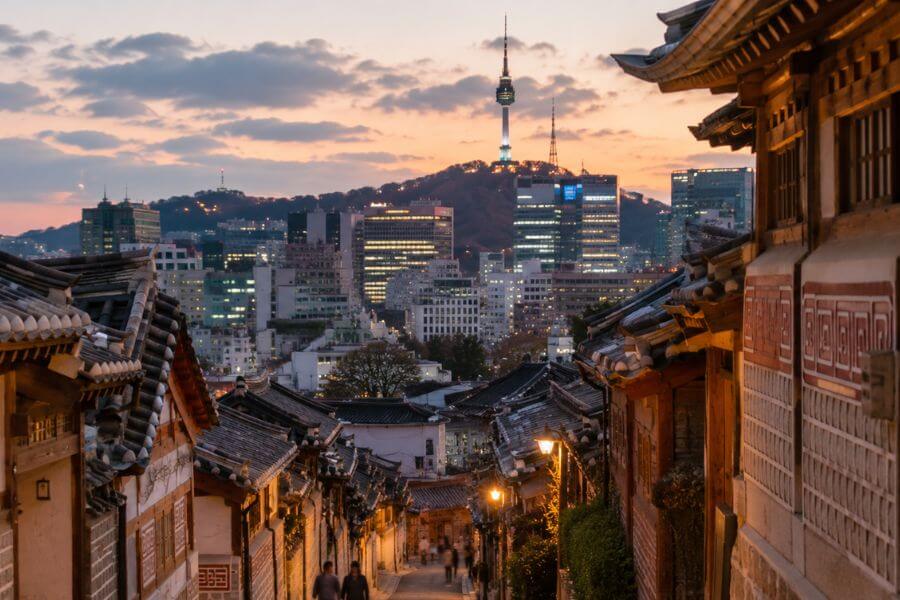
Welcome to Seoul, a city where centuries-old royal architecture standing beside towering neon skyscrapers creates a striking visual harmony. If you are preparing for your very first trip to South Korea, planning how to navigate this massive metropolis can feel overwhelming. This comprehensive guide details how to maximize seventy-two hours in the capital city, providing an immersive plan that balances historical exploration, culinary adventures, and modern cultural trends.
Key Takeaway
A successful three-day trip to Seoul requires grouping activities by geographic neighborhoods to minimize travel time on public transportation. By dedicating one day to historic royal sites, one day to modern youth culture and scenic viewpoints, and one day to contemporary trends and shopping, you experience the full spectrum of the character of the city. Booking palace entry options and downloading local navigation applications before arrival ensures a smooth journey.
Preparations and Travel Essentials Before Arrival
Succeeding on this fast-paced three-day adventure requires complete preparation before your plane touches down at Incheon International Airport. Seoul relies heavily on specialized digital tools and localized infrastructure, meaning standard international applications do not always provide accurate results.
Critical Smartphone Applications
Global mapping programs do not function properly for walking directions within South Korea due to national security regulations regarding geographic data. You must download specialized local options to navigate the streets successfully.
- Naver Map: This serves as the primary navigation tool for walking paths, subway routes, and bus schedules. It provides real-time updates on train arrivals and identifies specific subway exit numbers.
- Papago: The most accurate translation program for Korean text and speech. You can use the camera feature to read menus, street signs, and product ingredient lists.
- Catch Table: A reservation application that allows international visitors to book tables at popular restaurants and view wait times for trendy cafes.
Transport and Currency Needs
Public transit forms the backbone of the transportation system of the city. Upon arrival at the airport or any subway station, locate a convenience store or automated kiosk to purchase a physical transit card.
- The Transit Card: Known locally as a T-money card, this reusable smart card allows you to tap onto subways, city buses, and even pay for taxi rides. You must load this card with physical cash at subway station kiosks, as international credit cards are not accepted for transit top-ups.
- Cash versus Cards: While almost every restaurant, retail shop, and cafe accepts international credit cards, outdoor street food markets and transit card machines require physical Korean Won. Keep a small amount of cash on hand daily.
Day One: Royal Heritage, Traditional Villages, and Historic Alleys
Your initial twenty-four hours focus on the historic core of the city, located north of the Han River in the Jongno district. This area preserves the royal legacy of the Joseon Dynasty, allowing you to walk through ancient courtyards and residential streets that have remained intact for hundreds of years.
Morning: The Grand Palace and Traditional Dress
Begin your morning at the grandest of the five royal compounds built during the Joseon Dynasty. Arriving by nine in the morning lets you beat the largest crowds and secure an excellent viewing position for the daily ceremonies.
To enhance your historical experience, consider visiting a rental shop directly outside the palace walls to dress in traditional Korean attire, known as a Hanbok. Rental businesses provide high-quality robes for both men and women, complete with hair styling services. Wearing these garments honors local customs and grants you completely free admission into all state-run royal palaces.
At ten in the morning, position yourself in the main courtyard behind the primary gate to witness the Changing of the Royal Guard Ceremony. This ten-minute historical reenactment features guards wearing vibrant primary colors, marching to the rhythm of traditional drums and wind instruments. Following the performance, pass through the massive stone gates to explore the grand throne hall, which sits majestically over a stone courtyard lined with rank stones for court officials. Walk further into the grounds to discover the peaceful royal banquet pavilion, resting on stone pillars over a reflective lotus pond.
Midday: Historic Residential Alleys and Art Districts
After exiting the northern gates of the palace, take a fifteen-minute walk eastward into a hillside residential neighborhood known as a Hanok village. This area features hundreds of preserved traditional wooden homes, recognizable by their dark, curved tiled roofs and intricate stone walls.
As you stroll up the steep stone pathways, remember that this remains a quiet residential zone where local families live. Signs throughout the neighborhood remind visitors to keep voices low. The peak of the hill rewards you with an iconic view where ancient wooden rooftops frame the modern steel skyscrapers of downtown Seoul in the distance.
Descend the eastern side of the hill to reach a vibrant cultural street filled with art galleries, ceramic shops, and souvenir boutiques. This neighborhood serves as the ideal location to purchase authentic handicrafts, calligraphy brushes, and handmade paper. Tucked away in the narrow side alleys are historic wooden teahouses where you can sit on floor cushions and enjoy hot cups of roasted grain tea or ginger tea paired with traditional rice cakes.
Evening: The Birthplace of Street Food
As daylight begins to fade, take a short subway ride or walk to one of the oldest continuously operating covered markets in the country. This massive market operates under a glowing industrial roof, packed with hundreds of small food stalls where cooks prepare historical dishes right before your eyes.
Find a seat on a wooden bench at any bustling stall to sample the culinary highlights. Order a plate of savory, crispy mung bean pancakes, which cooks shallow-fry on thick iron griddles until golden brown. Pair this with spicy rice cakes simmered in a rich, red chili sauce, and twisted handmade donuts dusted with sugar for dessert. The high energy, shouting vendors, and rising steam create an unforgettable introduction to nightlife culture.
Day Two: Panoramic Heights, Trendy Shopping, and Youthful Energy
The second day transitions from ancient history to the modern energy and natural beauty that defines daily life for residents. You will explore bustling commercial streets, view the city from above, and experience a university district famous for independent music and arts.
Morning: Retail Exploration and Skincare Boutiques
Start your second day in a dense commercial district that serves as the center of retail shopping and skincare trends. The streets here feature multi-story beauty department stores, international clothing brands, and independent accessory boutiques.
This area is particularly famous for its concentrated skincare shops, where you can find advanced face masks, serums, and cosmetics. Sales associates frequently stand outside shop doors offering free product samples to encourage visitors to browse inside. If you purchase items totaling over thirty thousand Korean Won, remember to show your passport at the register to receive an immediate tax refund.
Midday: Ascending the Mountain Viewpoint
From the shopping district, walk toward the base of the central mountain peak that rises in the middle of the city. You can choose to ride a scenic aerial cable car or embark on a steep but well-paved thirty-minute walking path through forested parklands to reach the summit.
At the top of the mountain stands the iconic communication tower that pierces the skyline. The observation deck at the base of the tower features thousands of colorful padlocks attached to metal fences by couples symbolizing eternal affection. For a truly breathtaking view, purchase a ticket to the upper indoor observation deck, which provides a complete panoramic view of the entire metropolis stretching all the way to distant mountain ridges.
Evening: Street Performances and Independent Culture
Conclude your second day by traveling west to a university neighborhood famous for its youthful atmosphere, creative energy, and nightlife. The main pedestrian walkways here come alive after six in the evening as student dance crews, independent musicians, and magicians set up street performances for large crowds.
The surrounding alleyways are packed with vintage clothing stores, themed photo booths, and independent cafes. For dinner, step into a local restaurant specializing in Korean fried chicken, which is double-fried to achieve an incredibly crunchy exterior while remaining juicy inside. Order a platter coated in a sweet, sticky garlic soy glaze or a spicy chili sauce, traditionally served alongside pickled white radish cubes to cleanse the palate.
Day Three: Futuristic Architecture, Luxury Districts, and Riverside Parks
Your final twenty-four hours take you south of the Han River into the ultra-modern, upscale districts celebrated globally for technology, fashion, and luxury lifestyles.
Morning: Advanced Design and Architectural Feats
Begin your final morning at a massive cultural hub recognizable by its futuristic, flowing aluminum architecture designed by a world-renowned architect. The silver structure looks like an alien spacecraft resting in the middle of an ancient city gate district.
Walk through the outdoor plazas to admire the seamless curves of the concrete and metal, then head inside to explore design museums, exhibition spaces, and creative concept stores. If you visit during seasonal fashion weeks, the surrounding plazas fill with local models, designers, and photographers showcasing avant-garde street style.
Midday: High-End Fashion and Indoor Landmarks
Cross the river into the affluent southern district made famous by global pop music culture. The main avenues here feature towering glass skyscrapers housing international luxury fashion houses, upscale plastic surgery clinics, and entertainment company headquarters.
Head inside the massive subterranean convention and shopping complex to locate the famous indoor multi-story public library. This architectural marvel features towering, thirteen-meter-tall wooden bookshelves that curve toward a glass ceiling, holding over fifty thousand books. It serves as a popular gathering place and a spectacular spot for photography. After exploring the library, walk to the historic temple located directly across the street, where giant stone Buddha statues offer a quiet contrast to the surrounding commercial high-rises.
Evening: Sunset by the River and Tableside Grilling
Spend your final evening at a massive park running along the banks of the primary river. As the sun sets, local residents gather on the grassy lawns to rent picnic mats, fly kites, and watch the city lights reflect on the water. A popular local tradition involves using automated cooking machines at riverside convenience stores to prepare instant ramen noodles in disposable foil pans.
For your final celebratory dinner, walk into a traditional neighborhood barbecue restaurant. These establishments feature round metal tables with built-in charcoal grills and exhaust hoods hanging from the ceiling. Order thick cuts of pork belly or marinated beef short ribs.
The staff or your dining companions will grill the meat directly at your table. Once cooked, use kitchen shears to cut the meat into bite-sized pieces, dip them in toasted sesame oil or savory soybean paste, and wrap them inside fresh perilla leaves or lettuce along with grilled garlic slices.
Daily Itinerary Plan Comparison
The following sections provide structured breakdowns of the three-day itinerary to help you compare activities, travel times, and dining styles across each distinct phase of your trip.
Daily Schedule and Neighborhood Focus
| Day | Primary Neighborhood | Main Theme | Afternoon Activity | Evening Highlight |
| Day One | Jongno District | Ancient Royal History | Hanok Village Exploring | Covered Street Food Market |
| Day Two | Jung-gu and West | Views and Youth Culture | Mountain Observation Tower | University Street Performances |
| Day Three | Gangnam and South | Modern Luxury and Design | Multi-Story Indoor Library | Riverside Park and Barbecue |
Culinary Styles and Dining Environments
| Day | Meal Type | Typical Setting | Star Dish | Payment Method |
| Day One | Traditional Street Food | Casual outdoor market benches | Fried Mung Bean Pancakes | Physical cash preferred |
| Day Two | Trendy Casual Dining | Multi-level university cafes | Double-Fried Garlic Chicken | Credit cards widely accepted |
| Day Three | Tableside Charcoal BBQ | Indoor dining with table grills | Marinated Beef Short Ribs | Credit cards widely accepted |
Frequently Asked Questions
What is the most efficient way to travel between attractions on this itinerary?
The municipal subway system provides the fastest and most dependable method for moving between neighborhoods. Trains run every few minutes, feature clear English signage, and use color-coded maps. Taxis are also plentiful and relatively inexpensive compared to other major global cities, but daytime street traffic can cause significant delays when crossing the bridges over the river.
Do I need to speak fluent Korean to navigate this three-day plan?
You do not need fluent language skills to enjoy this trip. Most signs in subway stations, major tourist areas, and restaurants include English translations. Younger workers in retail shops and hotels generally speak basic English. Downloading a reliable translation application before your arrival allows you to communicate specific dietary needs or ask for directions easily.
Is this specific itinerary suitable for young children or travelers with limited mobility?
While this route covers the most famous highlights, it demands a significant amount of daily walking, often over steep hills and uneven stone pathways. The traditional village on day one and the mountain pathways on day two feature steep inclines that can be challenging for strollers or wheelchairs. You can modify the plan by utilizing taxis to reach hilltops directly and spending more time in flat areas like the modern shopping complexes.
What should I do if a historic site or palace is closed on a scheduled day?
Major royal palaces observe specific weekly rest days to maintain their grounds. The grand palace visited on morning one closes every Tuesday, while other secondary palaces close on Mondays. Always check the calendar before starting your journey. If a site is closed, you can easily substitute it with another nearby palace compound or spend additional time exploring the historic tea house alleys.
Can I participate in the traditional dress activities during the winter season?
Palace rental shops operate throughout the year regardless of weather conditions. During colder winter months, rental businesses provide insulated traditional vests, fur-trimmed jackets, and warm undergarments to wear beneath the decorative robes. Walking through a snow-covered royal courtyard in historic clothing provides some of the most beautiful photographic opportunities available.
How much cash should I reserve specifically for the three days of travel?
While credit cards handle major purchases, budget approximately twenty thousand to thirty thousand Korean Won in physical cash per person daily. This amount comfortably covers transit card recharges, small street food purchases at the evening markets, and traditional souvenir items that small vendors sell.
Is it necessary to leave monetary tips for servers at the restaurants listed?
Tipping is not practiced anywhere in the country. Leaving extra cash on a table or attempting to tip a server can cause confusion or distress, as workers view providing excellent service as a standard duty. The price listed on the menu is exactly what you pay at the register.