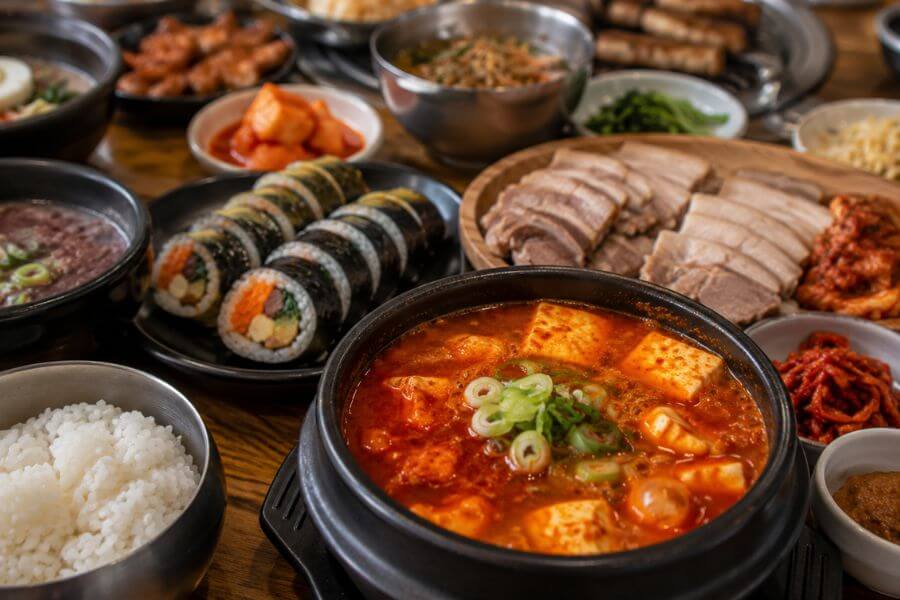
Key Takeaways for Your Korean Food Adventure
Eating your way through South Korea is one of the most exciting things you will ever do. To get the most out of your culinary journey, keep these essential points in mind:
- Embrace the Banchan: Every traditional meal comes with free side dishes that define the meal. They are refillable, so do not hesitate to ask for more.
- Sharing is Caring: Many iconic meals, especially barbecues and stews, are designed for at least two people. Dining with friends unlocks the best parts of the menu.
- Spice is Adjustable: While red pepper paste is common, many dishes are mild, comforting, and deeply savory. You can always ask for less spice.
- Street Food is Safe and Stellar: The markets are exceptionally clean, and the food stalls offer some of the freshest, most innovative bites in the country.
- Texture Matters: Korean cuisine celebrates textures that might be new to you, from extreme crispiness to comforting, chewy delights.
The Magical World of Rice Bowls and Rolled Treats
Rice is the heartbeat of South Korea. It binds families together and anchors almost every single meal. In this section, you will discover how simple grains transform into works of art.
Bibimbap: The Colorful Symphony in a Bowl
Imagine a deep bowl filled with warm white rice, topped with perfectly arranged mounds of seasoned vegetables, succulent beef, and a bright fried egg right in the center. This is bibimbap. The name literally translates to “mixed rice,” and that is exactly how you eat it.
Before you take your first bite, you add a spoonful of sweet and smoky red pepper paste. Then, you use your spoon or chopsticks to mix everything together until every grain of rice turns a beautiful shade of orange-red. Every spoonful gives you a different combination of crunchy vegetables, savory meat, and smooth egg yolk.
Dolsot Bibimbap: The Sizzling Upgrade
If you want to elevate your rice experience, look for the word dolsot. This version arrives in a blazing hot black stone bowl coated with a thin layer of sesame oil. As the rice sits against the hot stone, it creates a golden, ultra-crunchy crust at the bottom of the bowl.
The heat cooks the raw egg yolk instantly as you stir it in. You get to enjoy the steaming hot mix of ingredients, and at the very end, you scrape the crunchy, nutty rice crackers off the bottom. It is a rewarding finish to an incredible meal.
Gimbap: The Perfect Picnic Companion
Often called the Korean seaweed rice roll, gimbap is the ultimate comfort food on the go. Seaweed sheets are layered with seasoned rice, yellow pickled radish, spinach, carrots, egg, and a protein like beef, tuna, or imitation crab.
The roll is sliced into bite-sized coins, making it incredibly tidy to eat. It is savory, slightly sweet from the radish, and carries a beautiful aroma of toasted sesame oil. You will find people eating these on mountain hikes, train rides, and quick lunch breaks.
Jumeokbap: The Comfort of Handmade Rice Balls
The name translates to “fist rice,” which perfectly describes how these are made. You receive a bowl of warm rice seasoned with crushed seaweed, sesame oil, sesame seeds, and small bits of meat or tuna.
Along with the bowl, the server gives you a pair of plastic gloves. You use your hands to squeeze and shape the rice into round, bite-sized balls. They are savory, fun to make, and serve as the perfect mild side dish to balance out incredibly fiery main courses.
Let us Compare These Rice Favorites
| Dish Name | Key Ingredient | Serving Style | Texture Profile |
| Bibimbap | Mixed Vegetables | Room temperature bowl | Soft and crunchy |
| Dolsot Bibimbap | Rice and Beef | Sizzling hot stone bowl | Crunchy crust |
| Gimbap | Seaweed Roll | Sliced pieces | Chewy and firm |
| Jumeokbap | Seaweed and Sesame | Hand-rolled balls | Soft and moist |
The Art of the Korean Barbecue Experience
Walking into a barbecue restaurant is an assault on the senses in the best possible way. The sound of meat sizzling on an open flame fills the air, accompanied by the rich scent of roasting garlic and caramelized sauces.
Samgyeopsal: Grilled Pork Belly Perfection
This is arguably the most famous comfort food in the entire country. Strips of thick pork belly, which look a lot like thick-cut bacon, are grilled right at your table. The meat is usually unmarinated, allowing the natural richness of the pork to take center stage.
Once the pork turns golden and crisp, you dip it in a mixture of salt and sesame oil. Next, you place it inside a fresh lettuce leaf, add a dab of thick soybean paste, slide in a grilled slice of garlic, wrap it up into a small package, and pop the whole thing into your mouth at once.
Galbi: Sweet and Savory Marinated Ribs
Galbi refers to beef or pork short ribs that have been soaking in a rich marinade made from soy sauce, garlic, sugar, and Asian pear. The pear is the secret weapon here because it naturally softens the meat until it melts in your mouth.
When these ribs hit the hot grill, the sugars in the sauce caramelize quickly, creating charred edges that taste sweet, smoky, and deeply savory. It is a crowd-pleaser that appeals to every type of palate.
Bulgogi: The Tender Sliced Beef Classic
Bulgogi means “fire meat,” and it features thinly sliced ribeye or sirloin beef. Because the meat is cut so thin, it absorbs the sweet soy garlic marinade incredibly well and cooks in just a couple of minutes.
It can be grilled over open flames or cooked on a dome-shaped metal pan with onions and scallions. The resulting juices mix with the meat to create a sweet, savory broth that tastes amazing when poured directly over your rice.
Dakgalbi: The Spicy Stir-Fried Chicken Pan
Originating from the city of Chuncheon, this dish features diced chicken marinated in a fiery red pepper sauce. It is cooked in a massive, flat iron skillet built into the center of your table.
The chicken cooks alongside thick slices of cabbage, sweet potatoes, green onions, and chewy rice cakes. Halfway through the meal, many people like to add a blanket of mozzarella cheese over the top. The melted cheese stretches with every forkful, cutting down the heat and adding a wonderful creaminess.
Hanwoo: The Ultimate Luxury Beef
If you want to treat yourself, look for restaurants serving Hanwoo. This is South Korea’s native top-tier beef, famous for its intense marbling and rich flavor. It is handled with immense respect, usually grilled very lightly with just a sprinkle of coarse salt. The texture is unbelievably buttery, flooding your mouth with savory juices the moment you bite down.
Soups and Stews That Comfort the Soul
When the winter winds blow through the streets, or when you simply need a culinary hug, the country’s stews and soups answer the call. They arrive at your table boiling furiously in heavy clay pots.
Kimchi Jjigae: The Spicy and Sour Staple
This is the ultimate comfort stew found in every household. It relies on old, well-fermented kimchi, which gives the broth a deep, sour, and intensely savory kick.
The broth simmered with fatty pork pieces, tofu chunks, onions, and garlic. As the stew boils down, the soup becomes thick and concentrated. It is spicy, sour, and rich all at the same time, making it the perfect partner for a big bowl of plain white rice.
Doenjang Jjigae: The Earthy Soybean Feast
If kimchi stew is the energetic king of stews, doenjang jjigae is the grounding queen. It uses a rich, fermented soybean paste that gives the broth a deep, earthy, and salty flavor profile, quite similar to Japanese miso but much stronger and more complex.
The pot is packed with zucchini, potatoes, onions, mushrooms, and tofu. Often, small dried anchovies or clams are used to create the base broth, adding a subtle seafood depth that rounds out the heavy earthiness.
Sundubu Jjigae: Soft Tofu Elegance
This stew features uncurdled tofu that has the texture of smooth custard. The silky tofu swims in a spicy broth fueled by red pepper oil, garlic, and onions.
You can choose to have it with seafood like clams and shrimp, or with minced pork. Right before it is served to you, the chef drops a raw egg into the boiling broth. You stir the egg in, creating silken ribbons that soften the heat and turn the soup into a velvety masterpiece.
Budae Jjigae: The Historic Army Base Stew
This unique stew has a fascinating history. After the Korean War, food was scarce, so locals gathered surplus ingredients from American military bases like hot dogs, spam, baked beans, and sliced cheese. They combined them with traditional spicy broth, kimchi, and instant ramen noodles.
The result is a glorious, comforting, and chaotic mess of flavors. It is salty, spicy, processed, and completely addictive, especially when shared with a group of friends over a burner.
Samgyetang: The Nourishing Ginseng Chicken Soup
While most hot soups are eaten in winter, samgyetang is traditionally consumed on the hottest days of summer to replenish lost energy. A whole young chicken is stuffed with sweet sticky rice, ginseng roots, garlic cloves, jujubes, and chestnuts.
It is simmered for hours until the meat literally falls off the bone. The broth is milky white, delicate, and deeply soothing. It smells like medicinal herbs and tastes like pure, clean health.
Seolleongtang: The Milky Ox Bone Cleanse
This soup is all about patience. Ox bones are boiled for over twelve hours until the marrow dissolves completely, turning the water into a rich, milky-white broth.
The soup arrives at your table completely unseasoned, along with a container of coarse salt, black pepper, and chopped scallions. You get to control the flavor by adding salt to your exact liking. Thin slices of beef and glass noodles rest at the bottom of the bowl, waiting to be discovered.
Gamjatang: Pork Spine and Potato Goodness
Do not let the name fool you, while gamja means potato, the real star here is the tender pork spine meat. The bones are simmered with red peppers, wild sesame seeds, and dried radish greens until the meat is incredibly tender.
You use your chopsticks to pick the succulent pork off the bones. The potatoes absorb all the spicy, nutty flavors of the broth, turning into soft, savory pillows of joy.
Noodle Creations for Every Season
From icy bowls that cool you down in July to steaming broths that warm your fingers in January, the noodle culture here is vast and varied.
Jajangmyeon: The Sweet Black Bean Obsection
This is the ultimate comfort food for moving days, graduations, and lazy Sundays. Thick, chewy wheat noodles are buried under a mountain of glossy, dark black bean sauce.
The sauce is stir-fried with diced pork, onions, zucchini, and cabbage, giving it a deeply savory and distinctly sweet flavor. It is a messy dish to eat, but wiping the dark sauce from your lips is part of the fun.
Jjambong: The Fiery Seafood Storm
If you prefer heat over sweetness, jjambong is the companion piece to black bean noodles. This dish presents the same thick wheat noodles, but places them in a bright red, smoky broth packed with seafood like mussels, squid, shrimp, and clams, alongside stir-fried vegetables. The broth carries a distinct wok-fired aroma that delivers a punch of ocean brine and chili heat.
Naengmyeon: The Refreshing Ice Bath Noodles
The idea of cold soup might surprise you, but naengmyeon will change your mind. Extremely thin, chewy noodles made from buckwheat or sweet potato starch are served in a tangy, icy beef broth.
The bowl often contains actual ice cubes, along with slices of cucumber, pickled radish, Korean pear, and a hard-boiled egg. You add yellow mustard and vinegar at the table to create a sweet, sour, and cold sensation that rescues you from summer heat.
Bibim Naengmyeon: Cold Noodles with a Spicy Kick
This is the dry, fiery sister of the cold noodle soup. The same chewy buckwheat noodles are served without the cold broth, and are instead coated in a generous amount of sweet and spicy red pepper paste. A splash of sesame oil adds richness, while fresh cucumber matchsticks help cool down the fire on your tongue. It is chewy, cold, and intensely spicy.
Kalguksu: The Rustic Knife-Cut Comfort
For a complete change of pace, kalguksu offers handmade wheat noodles that are cut with a knife, leading to irregular shapes and thicknesses that hold onto broth beautifully.
The noodles are cooked in a clean, comforting broth made from dried anchovies, shellfish, or chicken. It is simple, gentle on the stomach, and tastes incredible when paired with a side of freshly made, extra-spicy kimchi.
Japchae: The Celebration Glass Noodles
Made from sweet potato starch, these glass noodles turn translucent and incredibly chewy when cooked. They are stir-fried with a colorful mix of spinach, carrots, mushrooms, onions, and thin strips of beef.
The entire dish is tossed in a balanced sauce of soy sauce, sugar, and lots of toasted sesame oil. It is served warm or at room temperature, offering a sweet, savory, and nutty bite that is common at birthday parties and holidays.
Comparing Noodle Varieties
| Noodle Dish | Temperature | Sauce or Broth Base | Dominant Flavor |
| Jajangmyeon | Warm | Black bean paste | Sweet and savory |
| Jjambong | Hot | Seafood chili broth | Spicy and smoky |
| Naengmyeon | Icy Cold | Tangy beef broth | Sour and refreshing |
| Kalguksu | Hot | Anchovy or chicken broth | Mild and clean |
| Japchae | Warm | Soy sauce and sesame oil | Nutty and sweet |
Street Food Treasures and Market Bites
To experience the true energy of South Korea, you must visit the traditional markets. The sights of steam rising into the air and the sounds of batter frying on hot iron create an unforgettable atmosphere.
Tteokbokki: The Cylinder Rice Cake Craze
This is the king of street food. Cylindrical, highly chewy rice cakes are simmered in a bright red sauce made from red pepper paste, sugar, and garlic.
The sauce is sweet, thick, and carries a building heat. Slices of flat fish cakes and green onions are mixed in, and vendors often include boiled eggs to help soak up the extra sauce. The texture of the rice cakes is incredibly satisfying, like a dense, savory marshmallow.
Eomuk: The Comforting Fish Cake Skewers
As you walk through chilly street markets, look for large metal trays filled with steaming savory broth and long wooden skewers. Folded onto these skewers are fish cakes made from ground white fish, potato starch, and seasonings.
You grab a skewer, dip it into a soy sauce container, and eat the soft, savory ribbon. The best part? You get a small paper cup to scoop up the hot fish cake broth for free. It is the ultimate way to warm up your hands and stomach.
Twigim: The Super Crispy Street Tempura
Twigim is the country’s answer to deep-fried goodness. Vendors take ingredients like sweet potatoes, squid, shrimp, hard-boiled eggs, and seaweed noodle rolls, dip them in a light batter, and fry them until they are incredibly crunchy.
You can spray them with soy sauce, but the local secret is to ask the vendor to dump your fried treats directly into your tteokbokki sauce. The crispy exterior absorbs the sweet, spicy sauce beautifully.
Mandu: The Pockets of Joy
These are classic dumplings that come in various shapes and sizes. They can be stuffed with a mixture of minced pork, tofu, garlic, green onions, and translucent glass noodles.
You can find them steamed until they are soft and pillow-like, or pan-fried on a flat grill until the bottom forms a golden, shatteringly crisp crust. Kimchi mandu is a popular variation that adds chopped spicy cabbage into the filling.
Gwangjang Market Bindenotteok: Mung Bean Pancake Feast
If you visit the famous Gwangjang Market in Seoul, you will hear a rhythmic grinding sound. Vendors take soaked green mung beans and grind them into a thick paste using traditional stone mills.
They mix the paste with crunchy bean sprouts and wild fern, then shallow fry the massive pancakes in hot oil. The result is a thick pancake with an incredibly crispy outer crust and a soft, earthy interior. It is savory, rich, and best enjoyed with pickled onions.
Hotteok: The Sweet Cinnamon Lava Pancake
When winter arrives, hotteok stalls appear everywhere. A yeasted dough ball is stuffed with a generous mixture of brown sugar, cinnamon, and chopped walnuts or sunflower seeds.
The ball is placed on a greased griddle and flattened with a circular iron tool. As it cooks, the brown sugar inside melts into a hot, gooey syrup. The outside is crisp and chewy, while the inside is a sweet, nutty reward. Just be careful not to burn your tongue on the hot sugar syrup.
Bungeoppang: The Sweet Pastry Fish
This classic snack features sweet pastry dough poured into an iron mold shaped exactly like a fish. The vendor slides a large spoonful of sweet red bean paste into the center before closing the mold and flipping it over an open flame.
The pastry comes out hot, with crispy edges and a soft, cake-like body. While sweet red bean is the traditional filling, you can also find modern versions stuffed with smooth vanilla custard or melted chocolate.
Savory Pancakes, Chicken, and Evening Social Eats
Evening food culture revolves around the concept of anju, which means food specifically prepared to be enjoyed alongside drinks with friends and coworkers.
Chimaek: The Legendary Chicken and Beer Duo
The word chimaek is a combination of “chicken” and maekju, the local word for beer. Korean fried chicken is famous worldwide for a reason: it is fried twice. This technique renders out the fat from the skin, creating a crust that stays incredibly crunchy even when drenched in heavy sauces.
You can order it plain, coated in a sweet and sticky garlic soy sauce, or smothered in a bright red, spicy glaze. It is crunchy, juicy, and perfect for a night out.
Pajeon: The Scallion Pancake Celebration
This savory pancake places long, whole green scallions at the center of attention. The scallions are laid out on a hot pan, covered in a light batter, and fried until crispy.
The pancake is sliced into squares and served with a dipping sauce made of soy sauce, vinegar, and sesame seeds. It is a traditional custom to eat this dish on rainy days, because people say the sound of the rain mimics the sound of the pancake sizzling on the griddle.
Haemul Pajeon: The Ocean Wealth Upgrade
If you want to make your pancake experience even better, order the haemul version. This option takes the classic scallion pancake and scatters a generous amount of seafood over the top, including pieces of squid, shrimp, clams, and oysters. The seafood steam-cooks inside the crisp batter, creating an amazing contrast between the crunchy edges and the tender, briny seafood bites.
Jokbal: Braised Pig Trotters Done Right
While pig feet might sound unusual to some, jokbal is a beloved delicacy in South Korea. The trotters are simmered for hours in a rich broth seasoned with soy sauce, ginger, garlic, cinnamon, and black pepper.
The meat is then sliced into thin, elegant pieces. It has a beautiful dark brown color and a unique texture where the meat is incredibly tender, while the skin is gelatinous, chewy, and packed with savory flavor. It is packed with collagen and highly celebrated for skin health.
Bossam: Elegant Steamed Pork Belly Wraps
If you prefer a cleaner, less fatty pork experience, bossam is the answer. Thick slabs of pork belly are boiled in a broth infused with garlic, ginger, and a hint of instant coffee to neutralize any gaminess.
The pork is sliced into delicate ribbons and served alongside salted cabbage leaves, raw garlic, and a highly concentrated, spicy radish kimchi. You assemble a wrap using the cabbage, pork, and radish, creating a clean, savory, and spicy mouthful.
Seafood Treasures from the Three Seas
Surrounded by water on three sides, South Korea boasts an incredibly vibrant seafood culture. The coastal cities offer some of the freshest marine delicacies you will ever experience.
Ganjang Gejang: The Raw Soy Marinated Crab
Often called the “rice thief” because it tastes so good you will empty your rice bowl instantly, this dish features raw, fresh crabs marinated in a mild soy sauce blend.
The crab meat becomes soft and jelly-like, absorbing the salty, umami-rich sauce. To eat it, you squeeze the soft meat out of the shell into your mouth. At the end, you drop a spoonful of warm white rice directly into the main top shell, mixing it with the rich crab roe and marinade.
Yangnyeom Gejang: The Spicy Crab Explosion
For those who want fire with their seafood, this version takes the same fresh, raw crab and coats it in a thick, intense red pepper paste mixed with garlic, sugar, and sesame seeds. The sweetness of the fresh crab meat cuts through the intense heat of the chili coating. It is messy, fiery, and deeply satisfying for spice lovers.
Agujjim: Spicy Braised Monkfish Feast
Monkfish is famous for its fierce appearance, but its meat is incredibly firm, sweet, and white, similar to lobster tail. In this dish, large chunks of monkfish are braised in a highly concentrated, fiery red pepper sauce alongside mountains of thick, crunchy soybean sprouts and sea squirts. The starch-thickened sauce clings to every surface, delivering an intense crunch and a sea-forward spice.
Grilled Fish Assortment: Clean Coastal Simplicity
If you visit a traditional market near the coast, you will see rows of fish like mackerel, hairtail, and croaker being dusted with coarse sea salt and placed under intense broilers. The skin turns crisp and smoky, while the flesh inside remains incredibly moist and flaky. Served with nothing but a bowl of rice and a few simple side dishes, it shows how spectacular simple ingredients can be.
San-nakji: The Energetic Long Arm Octopus
This is perhaps one of the most famous experiential dishes in the country. A fresh, small long-arm octopus is quickly chopped into bite-sized pieces and immediately served with a drizzle of sesame oil and sesame seeds.
Because the nerves are still highly active, the pieces continue to move and wiggle on the plate. When you eat it, you must chew thoroughly to ensure the suction cups do not stick to your throat. It tastes very mild, clean, and mostly like sesame oil.
Haeshintang: The Ultimate Seafood and Chicken Elixir
This dish is a grand feast of land and sea. A whole chicken is simmered in a large pot alongside a treasure trove of premium seafood, including fresh octopus, whole abalones, clams, and scallops, all resting in a medicinal broth. The soup combines the rich fat of the chicken with the clean, briny sweetness of the seafood, creating a clear broth that feels like instant rejuvenation.
Royal Court Classics and Traditional Comforts
Some dishes carry centuries of history, originating from the kitchens of the Joseon Dynasty kings, while others represent the rustic survival food of rural farmers.
Galbitang: Clear Beef Short Rib Elegance
Unlike the spicy stews, galbitang is a clear, golden soup made by simmering massive beef short ribs with white radish, garlic, onions, and translucent glass noodles.
The meat is so tender it slips off the bone with minimal effort. The broth tastes exceptionally clean, deep, and comforting. It is often served at weddings and special occasions as a sign of respect and hospitality.
Yukhoe: The Premium Korean Beef Tartare
This dish features high-quality, raw lean beef cut into matchsticks. The beef is tossed in a delicate seasoning of sesame oil, soy sauce, sugar, and garlic.
It is arranged beautifully on a plate over a bed of sweet, crunchy Korean pear matchsticks and topped with a single raw egg yolk. You mix the creamy yolk into the beef, creating a rich, sweet, and savory treat that melts in your mouth.
Sinseollo: The Royal Brass Hot Pot
This is the pinnacle of historical royal court cuisine. A special doughnut-shaped brass pot with a small chimney in the center filled with burning charcoal is brought to your table.
Arranged neatly inside are layers of colorful ingredients: meatballs, small pan-fried fish fillets, mushrooms, carrots, and radishes, all swimming in a delicate beef broth. It is visually stunning and showcases the elegant, mild flavors of historical royalty.
Tteokguk: The New Year Rice Cake Soup
On the morning of Lunar New Year, every household eats a bowl of tteokguk. Thin, oval-shaped slices of white rice cake are cooked in a savory beef or anchovy broth.
The white color of the rice cakes symbolizes a clean start to the year, while the coin-like shape represents wealth. It is topped with shredded beef, strips of fried egg, and dried seaweed. Eating a bowl is traditionally said to make you one year older and wiser.
Sujebi: Rustic Hand-Torn Dough Soup
This is the ultimate home-style comfort food. Instead of cutting noodles with a knife, the chef takes a soft wheat flour dough and uses their fingers to tear off irregular, flat pieces directly into a boiling anchovy and potato broth. The dough pieces are wonderfully chewy and rustic, making it a favorite meal to cook at home on a cold, rainy evening.
Intriguing Delicacies and Acquired Flavors
Every culture has foods that push the boundaries of texture and flavor. South Korea has several dishes that might challenge your palate but are deeply loved by locals.
Hongeo-hoe: Fermented Skate Wing
This is widely considered one of the most challenging foods in the world. Skate fish excrete uric acid through their skin, so when the meat is fermented without salting, it produces a strong ammonia aroma that smells exactly like intense cleaning supplies.
The texture is firm and chewy with crunchy cartilage. Locals love to eat it as part of a trio, placing a piece of skate on top of a slice of boiled pork belly and a piece of old kimchi to mask the intense kick.
Sundae: The Savory Steamed Blood Sausage
Do not confuse this with an ice cream dessert. This sundae is a savory street food classic made by stuffing pig intestines with a mixture of pork blood, translucent glass noodles, sticky rice, and spices.
It is steamed and sliced into thick rounds. The texture is soft and chewy, with a rich, metallic flavor. It is normally served with steamed liver on the side and a small pile of salt for dipping.
Gopchang: Grilled Small Intestines
Intestine barbecue is incredibly popular for late-night gatherings. Gopchang refers to the small intestines of cattle or pigs, which are cleaned thoroughly and grilled on a flat hot pan until the exterior turns golden and crisp.
Inside the intestine is a creamy, rich substance that renders out as it cooks. It is incredibly chewy, fatty, and savory, usually enjoyed alongside grilled onions and a garlic dipping sauce.
Makgchang: Abomasum Grilled Delights
Makchang features the fourth stomach of a cow or the very end of a pig’s small intestine. It is thicker, more durable, and significantly chewier than standard gopchang.
When grilled properly over hot charcoal, it develops a texture that is crunchy on the outside and remarkably chewy inside. It is typically served with a special dipping paste made from fermented soybeans, chopped scallions, and crushed peanuts.
Beondegi: Steamed Silkworm Pupae
You will smell this street snack long before you see it. Silkworm pupae are seasoned and boiled in large pots, releasing a strong, distinct, nutty aroma into the air.
Served in small paper cups with a toothpick, the pupae have a soft skin that pops when you bite down, releasing a salty, nutty, and slightly bitter broth. It is a nostalgic snack for older generations and a popular high-protein bite at outdoor markets.
Sweet Treats, Desserts, and Traditional Sips
After enjoying the fiery and savory flavors of your meals, you need something sweet and refreshing to cleanse your palate and complete your dining experience.
Patbingsu: The Classic Shaved Ice
The king of summer desserts, patbingsu starts with a base of finely shaved ice that has the texture of fresh snow. It is topped with a generous scoop of sweet red bean paste, small chewy rice cakes, and a dusting of roasted grain powder. You mix everything together to create a cold, sweet, and nutty dessert that instantly drops your body temperature.
Bingsu Varieties: Modern Fruit Creations
If you do not care for red bean paste, modern bingsu variations use a shaved milk base instead of regular water ice. The snow-like milk ice is piled high with fresh fruits like ripe mango cubes, sweet strawberries, or green grapes. It is topped with condensed milk, fruit syrups, and often a whole scoop of vanilla ice cream or a slice of cheesecake.
Sikhye: The Sweet Sweet Rice Elixir
This traditional beverage is made by pouring warm malt water over cooked rice. The mixture sits until the rice grains ferment slightly and float to the top, breaking down the starches into natural sugars.
The liquid is then boiled with sugar and ginger and served ice cold. It has a clean, gentle sweetness and always features a few grains of soft rice resting at the bottom of your cup. It is the perfect digestive aid after a heavy meal or a long session in a Korean bathhouse.
Sujeonggwa: The Spicy Persimmon Tea
For a different flavor profile, this dark brown traditional punch is made by boiling water with large amounts of cinnamon sticks and fresh ginger.
It is sweetened with sugar or honey and chilled. It is served with dried persimmons that soften in the liquid, along with a floating garnish of pine nuts. It tastes spicy from the ginger, woody from the cinnamon, and wonderfully sweet from the dried fruit.
Yakgwa: The Honey Wheat Confection
This is a historic cookie made by mixing wheat flour with sesame oil, honey, ginger juice, and rice wine. The dough is pressed into beautiful flower-shaped wooden molds and deep-fried until golden.
After frying, the cookies are soaked in a warm honey and cinnamon syrup for many hours. They have a dense, soft, and slightly chewy texture that releases a sweet, rich flavor with every single bite.
Exploring the Remaining Pillars of the Local Kitchen
To round out your culinary checklist, here are the final essential dishes that fill out daily life, from breakfast quick-fixes to late-night comfort soups.
Gilgeori Toast: The Street Bread Phenomenon
This is the ultimate breakfast on the go for busy students and office workers. A vendor takes two slices of white bread and toasts them on a massive buttered griddle.
They fry an egg patty mixed with finely shredded cabbage and carrots. The egg is placed between the bread, topped with a sprinkle of white sugar, and finished with a squirt of ketchup. It is hot, sweet, savory, and surprisingly satisfying.
Chueotang: The Nutritious Mudfish Soup
Mudfish live in the mud of fresh rice fields and are highly celebrated for boosting stamina. In this soup, the fish are typically boiled until completely soft and then ground up entirely, meaning you will not see any bones or whole fish.
The ground fish is simmered with soybean paste, sesame seeds, and wild greens, creating a thick, earthy, and highly comforting soup that keeps you feeling full for hours.
Kongguksu: Cold Chewy Noodles in Creamy Soy Milk
This unique summer dish features wheat noodles served in a thick, completely cold broth made from freshly ground soybeans. The broth has a pale white color and a velvety, creamy consistency.
It is served unseasoned, and you add either salt or sugar depending on the regional style you prefer. It is cold, nutty, creamy, and serves as an incredibly refreshing vegan option during the hottest months.
Jjukkumi: Fiery Baby Octopus Stir-Fry
If you love intense heat and seafood, look for a jjukkumi restaurant. Small baby octopuses are tossed in an incredibly hot red pepper glaze and stir-fried on a metal plate with green onions.
The octopus cooks quickly, turning wonderfully tender and springy. To survive the heat, you wrap the octopus in a fresh perilla leaf, add a spoonful of flying fish roe, and top it with a dollop of mayonnaise.
Jjimdak: The Braised Soy Chicken Feast
Originating from the city of Andong, this dish features whole chicken pieces braised in a dark soy sauce broth along with large chunks of potatoes, carrots, onions, and dried red chili peppers.
The highlight for many is the inclusion of wide, flat glass noodles that sit at the bottom of the pan, soaking up the sweet, savory, and slightly spicy sauce until they turn dark brown and incredibly flavorful.
Kkochi: The Charcoal Grilled Skewers
Street vendors use long wooden skewers to thread alternating pieces of juicy chicken thigh and thick scallion rounds. The skewers are grilled over hot charcoal, with the vendor continually brushing them with a sweet soy glaze or a fiery red pepper sauce. The chicken skin turns crisp and smoky, while the scallions caramelize to a beautiful sweetness, making it a perfect quick snack as you walk the night streets.
Visual Guide to Sweet and Savory After-Hours Delights
| Snack Name | Primary Component | Primary Flavor Profile | Ideal Time of Day |
| Hotteok | Fried Dough and Cinnamon | Sweet and nutty | Chilly afternoons |
| Gilgeori Toast | Egg and Shredded Cabbage | Sweet and savory | Busy mornings |
| Kkochi | Chicken and Scallions | Smoky and savory | Late night |
| Bungeoppang | Pastry and Red Bean | Mildly sweet | Winter nights |
Frequently Asked Questions
What should I do if I cannot handle spicy food well while traveling in South Korea?
You do not need to worry because many iconic dishes are completely mild and savory. Soups like the ox bone soup or the chicken ginseng soup contain zero spice, and you get to control the salt yourself. When ordering barbecue meat, stick to sweet soy selections like galbi or bulgogi instead of red pepper options. You can also tell your server the phrase “less spicy, please” when ordering stews or noodle bowls.
Is it considered acceptable to eat alone at traditional barbecue and stew restaurants?
Many traditional places specialize in communal dining, meaning dishes like table-grill barbecue or large hot pots usually require a minimum order of two portions. If you are traveling solo, you can absolutely still eat there, but you should expect to order two portions of meat for yourself. For single diners, look for smaller casual noodle shops, rice bowl spots, or street market stalls where single-serving meals are standard.
How do I properly handle the metal chopsticks that are used everywhere?
Unlike many other Asian countries that use wooden or bamboo utensils, South Korea is famous for using flat, heavy metal chopsticks alongside a long metal spoon. The flat design can feel unique in your hand at first. The best technique is to rest the lower chopstick firmly in the crook of your thumb and use your index and middle fingers to move only the top chopstick. Use your long spoon for your rice and soups, and save your chopsticks for picking up meat and side dishes.
Are the side dishes that arrive at the beginning of the meal free to refill?
Yes, the assortment of side dishes, known as banchan, is completely free and completely refillable. They are considered an essential element of hospitality. Once you empty a small dish of kimchi, pickled radish, or seasoned spinach, you can politely ask the staff for more. In many modern and casual restaurants, you will see a dedicated self-service counter where you can walk up and refill your side dishes yourself as many times as you like.
Do I need to leave a cash tip for the servers at restaurants or street stalls?
Tipping is not practiced anywhere in South Korea. The price you see listed on the menu is the exact amount you will pay at the register. Leaving extra cash on the table might confuse your server, who will likely run out into the street to return the money you forgot. For street food stalls, you simply hand over the exact cash amount or tap your card, with no expectation of any extra financial gratuity.