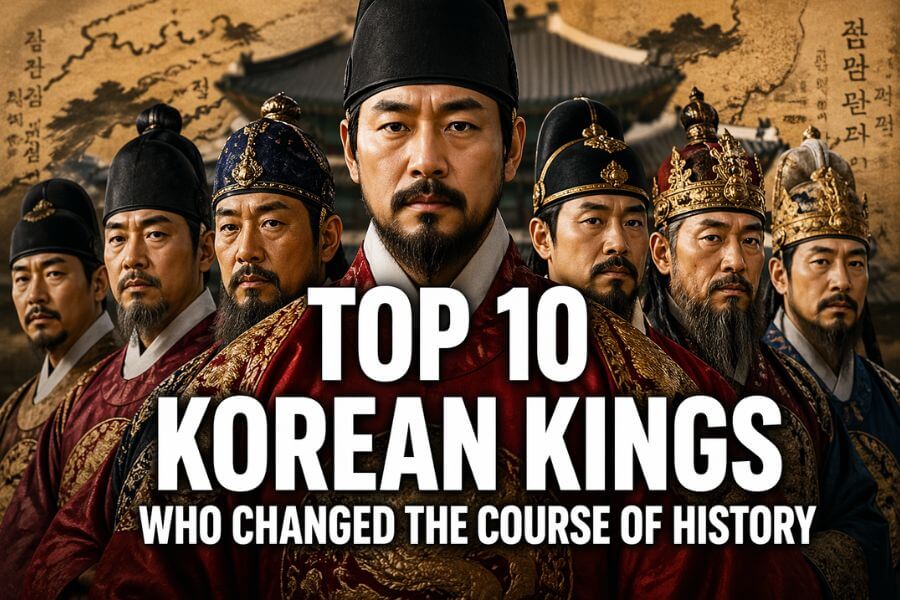
If you enjoy Korean history, you will quickly notice how powerful kings shaped the country you see today. From building strong kingdoms to creating cultural breakthroughs, these rulers made decisions that still influence Korea. In this guide, you will explore ten Korean kings who truly changed the course of history. Each one played a key role in politics, culture, war, or innovation. By the end, you will better understand how their actions helped shape modern Korea.
1. King Taejo of Goryeo
King Taejo is the founder of the Goryeo Dynasty, which ruled Korea for over 400 years. If you look at Korean history, you will see that he united the Later Three Kingdoms during a time of chaos. His leadership brought stability and laid the foundation for a centralized government. He also promoted harmony by accepting former enemies into his rule. This helped reduce conflict and created a more unified nation. Because of him, the name “Korea” itself comes from “Goryeo.”
2. King Sejong the Great
King Sejong is one of the most loved kings in Korean history, and for good reason. He created Hangul, the Korean alphabet, making reading and writing easier for ordinary people. Before this, only elites could read Chinese characters. Thanks to him, literacy improved across the country. He also supported science, agriculture, and technology. If you use Korean today, you are directly benefiting from his vision and care for the people.
3. King Gwanggaeto the Great
King Gwanggaeto of Goguryeo expanded Korea’s territory more than any other ruler. Under his leadership, the kingdom became a powerful force in East Asia. He conquered neighboring regions and strengthened military power. His victories helped protect Korea from outside threats. When you study ancient Korean history, his name stands out as a symbol of strength and expansion.
4. King Taejo of Joseon
King Taejo of Joseon founded the Joseon Dynasty, which lasted over 500 years. He moved the capital to Hanyang, now known as Seoul. This decision shaped the future of Korea’s political and cultural center. He also introduced new systems based on Confucian values. These ideas influenced Korean society for centuries. If you visit Seoul today, you will see the results of his choices.
5. King Yeongjo
King Yeongjo ruled during a time of political conflict, but he worked hard to create balance. He introduced fair laws and reduced corruption. His policy of equality aimed to treat people more justly, regardless of their social class. He also focused on economic stability and improving the lives of common people. His long reign helped bring peace and order to the kingdom.
6. King Jeongjo
King Jeongjo is known for his reforms and strong leadership. He supported learning and built institutions to train scholars. One of his biggest achievements was strengthening royal authority while promoting fairness. He also worked to reduce the power of corrupt officials. His vision helped modernize parts of Joseon society. If you look at his reign, you will see a balance of tradition and progress.
7. King Munmu of Silla
King Munmu played a key role in unifying the Korean Peninsula under Silla. After defeating rival kingdoms, he worked to secure peace and defend the nation. He also strengthened naval power to protect against foreign invasions. His dream was a unified Korea, and he achieved it. His legacy remains important in understanding early Korean unity.
8. King Sejo
King Sejo came to power through a controversial path, but his rule brought strong governance. He improved administrative systems and strengthened the military. While his rise to the throne was debated, his policies helped stabilize the country. If you study leadership styles, his reign shows how power can be used to create order even in difficult times.
9. King Sukjong
King Sukjong is known for managing intense political rivalries. Instead of letting conflict destroy the kingdom, he used strategic decisions to maintain control. He changed alliances when needed to keep the balance among factions. This approach helped him stay in power for many years. His reign teaches you about political strategy and survival.
10. King Gojong
King Gojong ruled during a time of major change as Korea faced pressure from foreign powers. He declared the Korean Empire and tried to modernize the country. He introduced reforms in education, the military, and infrastructure. Although his efforts faced challenges, he played a key role in Korea’s transition into the modern era. His reign marks the end of traditional monarchy and the beginning of a new chapter.
Conclusion
When you look at these ten kings, you can clearly see how leadership shapes history. Each ruler faced different challenges, from war and political conflict to cultural development and modernization. Their decisions changed the direction of Korea in powerful ways. Whether it was creating a writing system, unifying the country, or introducing reforms, these kings left lasting impacts. By learning about them, you gain a deeper understanding of Korea’s rich history and how it continues to influence the present.
Frequently Asked Questions
Why is King Sejong considered the greatest Korean king?
King Sejong is widely respected because he created Hangul, which allowed common people to read and write. He also supported science, technology, and agriculture. His focus on improving everyday life made a lasting impact on Korean society.
Which Korean king unified the country?
King Munmu of Silla is known for unifying the Korean Peninsula. He completed the unification process after defeating rival kingdoms and worked to maintain peace afterward.
Why are there two kings named Taejo?
The title Taejo is often given to the founders of dynasties. King Taejo of Goryeo and King Taejo of Joseon both founded major dynasties, which is why they share the same title.
Which king created the Korean Empire?
King Gojong declared the Korean Empire during his reign. This was an effort to strengthen Korea’s independence and modernize the nation during a time of foreign pressure.
How did Korean kings influence modern Korea?
Korean kings influenced modern Korea through their policies, culture, and innovations. From the creation of Hangul to the establishment of Seoul as the capital, their decisions still shape Korea today.