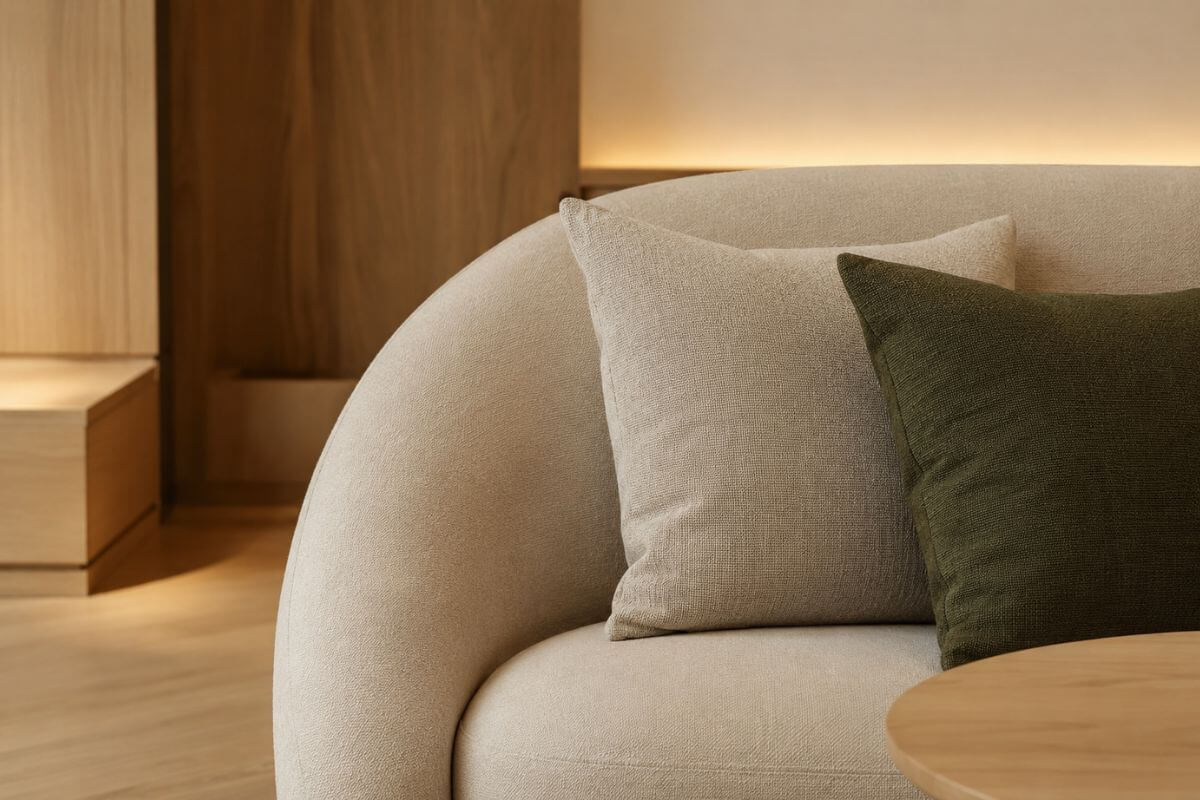
Korean interior design continues to influence homes around the world in 2026. From clean layouts to calming color palettes, Korean homes are becoming known for their balance of beauty, comfort, and smart living. Whether you live in a small apartment or a large house, these trends focus on making your space feel peaceful and practical at the same time.
One reason these styles are growing so fast is because they fit modern life. Many people want homes that feel less stressful, easier to organize, and more connected to nature. Korean interiors are doing exactly that. You will notice soft lighting, natural materials, multifunctional furniture, and cozy spaces that still look modern.
In this guide, you will discover the top Korean interior design trends taking over in 2026 and learn how you can use them in your own home.
Quick Summary Table 📋
| Rank | Trend | Main Feature | Best For |
|---|---|---|---|
| 1 | Warm Minimalism | Soft and cozy simplicity | Small and modern homes |
| 2 | Earth Tone Color Palettes | Natural calming shades | Relaxing spaces |
| 3 | Hidden Storage Solutions | Scandinavian-inspired homes | Apartments |
| 4 | Smart Home Integration | Technology blended into decor | Modern living |
| 5 | Curved Furniture Designs | Softer room appearance | Cozy interiors |
| 6 | Natural Wood Finishes | Organic and warm textures | Wellness-focused homes |
| 7 | Multifunctional Rooms | Flexible living spaces | Compact homes |
| 8 | Mood Lighting Layers | Comfortable atmosphere | Bedrooms and living rooms |
| 9 | Indoor Nature Styling | Plants and natural materials | Wellness focused homes |
| 10 | Textured Wall Finishes | Depth without clutter | Modern statement spaces |
How We Ranked These Trends 🎯
We ranked these Korean interior design trends based on several important factors that matter to modern homeowners.
Key Factors We Considered
- Popularity in Korean homes and apartments
- Growing global influence in 2026
- Practicality for everyday living
- Budget friendliness
- Ability to work in small spaces
- Long-term design appeal
- Comfort and functionality
- Ease of combining with existing decor
- Social media and lifestyle influence
- Sustainability and eco-conscious design
1. Warm Minimalism Takes Center Stage ✨
Minimalism in Korea is changing in 2026. Instead of cold white rooms with almost no decoration, homes are becoming warmer and more welcoming. Warm minimalism keeps the clean look people love while adding soft textures, warm lighting, and cozy furniture.
You will often see beige walls, cream sofas, wood accents, and soft fabrics like cotton and linen. The goal is to create a calm environment without making the home feel empty.
This trend works especially well in apartments because it helps rooms look larger while still feeling comfortable. Many homeowners are also choosing fewer but higher quality furniture pieces to reduce clutter and improve the overall atmosphere.
To bring this trend into your home, focus on neutral colors, simple furniture, and warm lighting. Avoid filling every corner with decorations. Instead, let each piece stand out naturally.
2. Earth Tone Color Palettes Dominate Interiors 🌿
Bright and overly bold colors are becoming less common in Korean homes. In 2026, earth tones are everywhere. Shades like clay brown, olive green, sand beige, muted terracotta, and warm gray are replacing cooler tones.
These colors create a more grounded and relaxing feeling. They also pair beautifully with natural materials like wood and stone. Many Korean designers use these tones to make homes feel peaceful after busy workdays.
Earth tone palettes are flexible because they work in almost every room. Bedrooms become calmer, kitchens feel warmer, and living rooms feel more inviting.
If you want to follow this trend, start small with cushions, rugs, curtains, or painted accent walls. Combining several soft, earthy shades together can instantly modernize your space.
3. Hidden Storage Solutions Become Essential 🧺
Storage is a huge part of Korean interior design because many people live in compact apartments. In 2026, hidden storage is becoming smarter and more stylish than ever.
Beds with storage underneath, hidden kitchen cabinets, built-in shelves, foldable tables, and seating with storage compartments are all becoming popular. These designs help maintain a clean and organized appearance without sacrificing functionality.
The beauty of hidden storage is that it reduces visual clutter. Rooms feel calmer and more spacious when everyday items are tucked away neatly.
This trend is perfect if you struggle with limited space. Instead of buying more storage bins, look for furniture that already includes storage features.
4. Smart Home Integration Blends Into Decor 📱
Technology is no longer something you hide. Korean homes in 2026 are blending smart technology directly into interior design.
You will see hidden wireless chargers, voice-controlled lighting, smart mirrors, automated curtains, and invisible speakers built into walls or furniture. The focus is on making technology feel seamless rather than distracting.
Unlike older smart home setups that looked futuristic and cold, Korean interiors now combine technology with warmth and simplicity. Devices are designed to blend naturally with furniture and decor.
This trend is especially popular among younger homeowners who want convenience without sacrificing style. Smart systems also help save energy and improve comfort throughout the home.
5. Curved Furniture Softens Modern Spaces 🛋️
Sharp edges are slowly disappearing from trendy Korean interiors. Curved furniture is becoming one of the biggest design movements in 2026.
Rounded sofas, oval tables, curved chairs, and soft arch-shaped decor make spaces feel more relaxed and welcoming. These gentle shapes also help modern homes feel less rigid and formal.
Curved furniture works especially well in minimalist spaces because it adds personality without overwhelming the room. Many Korean apartments combine curved furniture with soft neutral tones for a balanced look.
Even adding one curved piece, like a rounded coffee table or arched mirror, can instantly update your space.
6. Natural Wood Finishes Return Stronger Than Ever 🌳
Natural wood is making a major comeback in Korean homes. Light oak, walnut, ash wood, and unfinished textures are replacing glossy artificial finishes.
People are moving toward materials that feel authentic and timeless. Wooden furniture and flooring create warmth while also helping rooms feel connected to nature.
In Korean interiors, wood is often paired with soft fabrics and minimal decorations. This combination creates a calm and balanced atmosphere that feels modern but still comfortable.
You do not need to renovate your entire home to follow this trend. Adding wooden shelves, dining tables, or accent furniture can make a big difference.
7. Multifunctional Rooms Are Becoming the New Normal 🔄
As remote work and flexible lifestyles continue growing, Korean homes are adapting with multifunctional spaces.
Living rooms are turning into workspaces during the day. Bedrooms include small reading corners. Dining tables double as office desks. Folding furniture and movable dividers are becoming more common.
This trend focuses on making every part of the home more useful. Instead of dedicating rooms to only one purpose, homeowners want flexibility.
Korean design handles this beautifully by keeping spaces clean and organized while still allowing multiple uses. Smart layouts and modular furniture are key parts of this movement.
If you have limited space, a multifunctional design can completely transform how your home feels and functions.
8. Mood Lighting Layers Replace Harsh Ceiling Lights 💡
Lighting is becoming one of the most important design elements in Korean interiors. In 2026, layered lighting is replacing bright overhead lights.
Homes now use combinations of floor lamps, wall lights, hidden LED strips, pendant lights, and table lamps to create softer moods. Warm lighting helps rooms feel more relaxing and luxurious.
Korean homes often use indirect lighting to create a cozy evening atmosphere. You may notice lights hidden behind mirrors, under cabinets, or along shelves.
This trend is easy to apply even on a small budget. Simply replacing cool white bulbs with warm tones and adding extra lamps can dramatically improve your space.
9. Indoor Nature Styling Continues to Grow 🍃
Nature-inspired interiors are still extremely popular in Korea. In 2026, homeowners are bringing even more natural elements indoors.
Plants, stone textures, woven materials, natural fabrics, and indoor gardens are becoming key parts of modern homes. These features help create a healthier and calmer environment.
Many people are choosing low-maintenance plants that fit minimalist spaces. Small indoor trees, hanging plants, and moss-inspired decor are especially trendy.
This design approach also supports mental wellness. Natural surroundings can help reduce stress and improve comfort at home.
Even small touches like bamboo trays, linen curtains, or ceramic planters can help bring this trend into your space.
10. Textured Wall Finishes Add Depth Without Clutter 🎨
Minimalist homes sometimes risk looking too plain. That is why textured walls are becoming a major trend in Korean interior design.
Instead of using busy decorations, homeowners are adding visual interest through materials and finishes. Limewash paint, textured plaster, wood panels, and subtle stone surfaces are becoming very popular.
These finishes add depth and character while still maintaining a clean appearance. They also work beautifully with neutral color palettes.
Textured walls are especially effective in living rooms and bedrooms where people want warmth without overcrowding the space.
This trend proves that a simple design can still feel rich and sophisticated.
Conclusion 🌟
Korean interior design trends in 2026 are all about creating homes that feel calm, functional, and welcoming. Instead of chasing flashy decorations or temporary trends, these styles focus on comfort, simplicity, and smart living.
From warm minimalism and earth tone palettes to hidden storage and nature-inspired decor, Korean interiors show how thoughtful design can improve daily life. Many of these trends are also practical for modern apartments and smaller homes, making them easy to adopt no matter where you live.
The best part is that you do not need a full renovation to enjoy these ideas. Small changes like softer lighting, curved furniture, or natural materials can instantly make your home feel more modern and relaxing.
Frequently Asked Questions ❓
Are Korean interior design trends expensive to follow?
Not always. Many Korean design trends focus on simplicity and functionality rather than luxury. Small updates like changing lighting, adding wood textures, or using neutral colors can create a similar look without a large budget.
Why are Korean interiors usually minimalist?
Korean homes often prioritize comfort, organization, and efficient use of space. Since many apartments are compact, a minimalist design helps rooms feel larger and less cluttered.
What colors are most popular in Korean homes in 2026?
Warm neutral colors are dominating Korean interiors in 2026. Beige, cream, soft brown, olive green, and warm gray are especially popular because they create relaxing environments.
Can Korean interior design work in larger homes?
Yes. Although many trends come from apartment living, Korean interior styles also work beautifully in larger homes. The focus on balance, warmth, and functionality fits many types of spaces.
What flooring styles are trending in Korean homes?
Light wood flooring and natural finish materials are very popular in 2026. Many homeowners prefer warm-toned flooring because it helps rooms feel brighter and more welcoming.