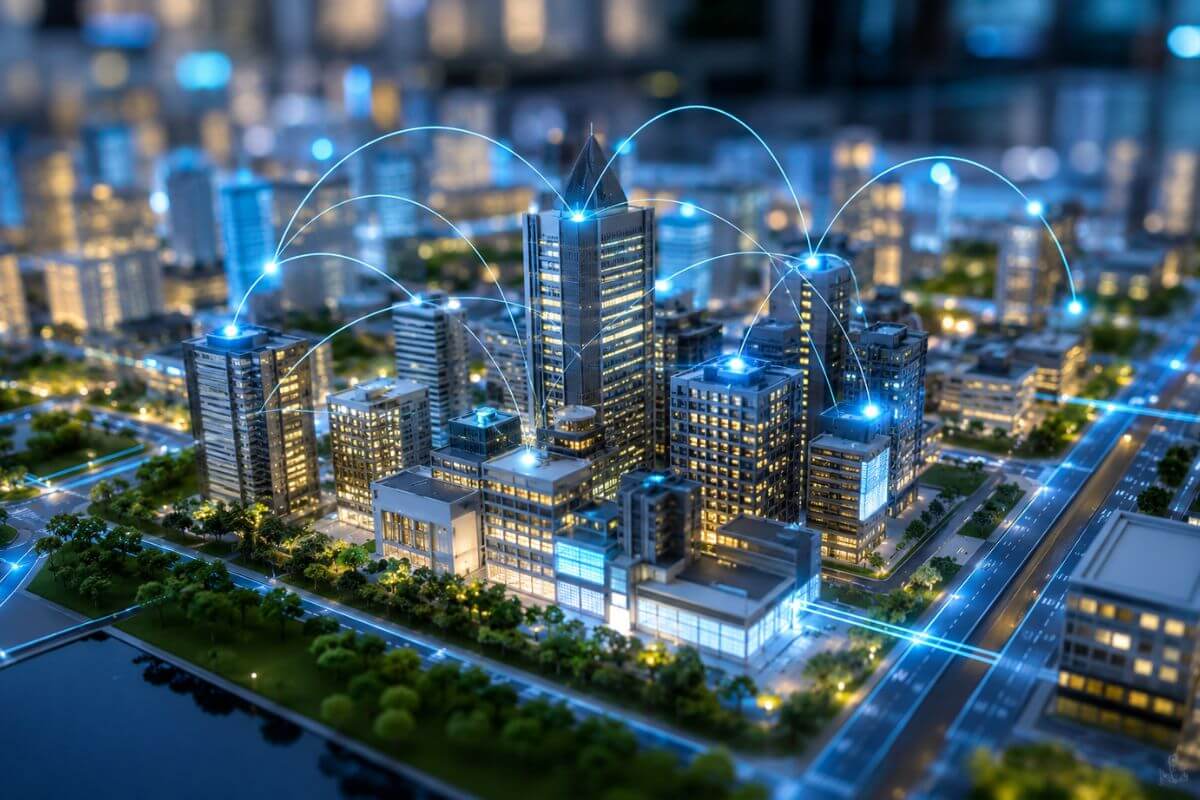
South Korea has become one of the world’s biggest leaders in smart city technology. From AI-powered traffic systems to robot deliveries and digital public services, Korean cities are changing how people live every day. Cities across Europe, North America, and the Middle East are now studying and copying many of these ideas because they improve convenience, safety, and sustainability.
If you have ever wondered why Korean cities feel so modern and efficient, the answer often comes down to smart planning mixed with advanced technology. These innovations are not just flashy gadgets. They solve real problems like traffic jams, energy waste, pollution, and overcrowding.
In this guide, you will discover the top Korean smart city innovations that are influencing urban development around the world and why so many governments are trying to follow Korea’s example.
Quick Summary Table 📋
| Rank | Innovation | Main Benefit | Why Other Countries Copy It |
|---|---|---|---|
| 1 | Smart Traffic Management | Less congestion | Saves time and fuel |
| 2 | Underground Waste Collection | Cleaner streets | Reduces garbage truck traffic |
| 3 | AI Surveillance Systems | Better public safety | Faster emergency response |
| 4 | Digital Government Services | Faster public services | Improves convenience |
| 5 | Smart Apartment Complexes | Easier daily living | Enhances resident comfort |
| 6 | Smart Public Transportation | More efficient travel | Improves city mobility |
| 7 | Renewable Energy Smart Grids | Better energy use | Supports sustainability goals |
| 8 | Robot Delivery Services | Faster deliveries | Reduces labor pressure |
| 9 | Smart Water Management | Prevents waste and flooding | Improves infrastructure efficiency |
| 10 | Digital Twin City Technology | Better urban planning | Helps predict city problems |
How We Ranked These Innovations 🧠
We ranked these Korean smart city innovations based on several important factors:
- Real-world impact on daily life
- Adoption by other countries
- Environmental benefits
- Long-term sustainability
- Ease of expansion to larger cities
- Cost savings for governments and citizens
- Technology advancement
- Public convenience and accessibility
- Safety improvements
- Success in Korean cities
1. Smart Traffic Management Systems 🚦
One of Korea’s most copied smart city innovations is its intelligent traffic management system. In cities like Seoul, traffic cameras, sensors, and AI software constantly monitor roads in real time. The system automatically adjusts traffic lights depending on congestion levels.
Instead of relying on fixed timing schedules, these smart systems react instantly to changing traffic conditions. This helps reduce long traffic jams during rush hours and improves emergency vehicle movement.
You also benefit from connected navigation apps that receive live updates from city traffic systems. This means drivers can avoid accidents, construction zones, and crowded streets more easily.
Cities around the world are copying this model because traffic congestion costs billions of dollars every year. Korea proved that technology can make urban transportation smoother without building endless new roads.
2. Underground Waste Collection Systems 🗑️
Korean smart cities are famous for their underground waste disposal systems. Instead of garbage trucks collecting trash from street bins every day, waste travels through underground vacuum pipes directly to collection centers.
This system keeps streets cleaner, quieter, and safer. You see fewer overflowing garbage bins and fewer heavy trucks blocking roads.
In areas like Songdo International Business District, this technology became one of the biggest examples of futuristic urban planning. The system also improves recycling because waste can be separated more efficiently.
Other countries love this concept because it reduces pollution, lowers fuel usage, and improves public cleanliness. Dense cities especially benefit from this innovation, where space is limited.
3. AI Powered Public Safety Surveillance 👮
South Korea uses advanced AI surveillance systems to improve public safety in many urban areas. Smart cameras can identify suspicious behavior, detect accidents, and even monitor crowd movement during large events.
Unlike older security systems that rely fully on human monitoring, AI software can alert authorities instantly when unusual activity happens. This leads to faster emergency responses.
Some systems can also detect abandoned objects, traffic violations, or dangerous situations before they become serious problems.
Many cities around the world are studying Korea’s approach because public safety has become a major challenge in large urban areas. The combination of AI and real-time monitoring helps reduce crime and improve emergency management.
4. Fully Digital Government Services 💻
South Korea made public services far more convenient through digital government platforms. You can pay taxes, renew official documents, access healthcare information, and manage many legal services online without visiting government offices.
Many Korean cities now use integrated citizen apps that combine transportation, public notices, emergency alerts, and administrative services in one place.
This saves enormous amounts of time for both citizens and government workers. Long waiting lines and paper documents are becoming less common.
Countries trying to modernize their public services often look at Korea’s digital government systems as a model because they improve efficiency while lowering operational costs.
5. Smart Apartment Complexes 🏢
Korean apartment complexes are becoming mini smart cities themselves. Many residential buildings now include facial recognition entry systems, smart parking management, AI-powered energy controls, and app-based home management.
You can control lighting, heating, elevators, and package deliveries directly from your smartphone.
Some apartment communities even include integrated security systems that notify residents immediately about visitors, deliveries, or emergencies.
The reason other countries are copying this model is simple. Urban populations continue growing, and smart residential systems make high-density living more comfortable and efficient.
6. Smart Public Transportation Networks 🚉
South Korea’s transportation systems are among the smartest in the world. Buses, subways, taxis, and bike sharing systems are all connected through digital platforms.
You can check arrival times in real time, pay with one transportation card, and plan routes instantly through mobile apps.
Seoul’s subway system especially stands out because of its speed, cleanliness, and advanced digital guidance systems for passengers.
Many countries are now investing in integrated transportation systems because Korea demonstrated how smart public transit reduces private car dependence and improves city mobility.
This innovation also helps lower air pollution and supports more environmentally friendly urban living.
7. Renewable Energy Smart Grids ⚡
Korean cities are investing heavily in smart energy grids that automatically balance electricity usage across neighborhoods and buildings.
These systems use sensors and AI technology to monitor energy demand in real time. When electricity use increases in one area, the grid can redistribute power more efficiently.
Some smart buildings in Korea also generate renewable energy through solar panels and energy storage systems.
The global interest in this technology continues to grow because countries want cleaner energy systems while reducing pressure on traditional power infrastructure.
Smart grids also help reduce energy waste and lower electricity costs over time.
8. Robot Delivery Services 🤖
South Korea has become one of the global leaders in robot delivery technology. In some neighborhoods, small autonomous robots deliver food, groceries, and packages directly to homes and offices.
These robots use cameras, sensors, GPS systems, and AI navigation software to move safely through sidewalks and urban areas.
You already see robot deliveries in apartment complexes, university campuses, and business districts across Korea.
Countries facing labor shortages and rising delivery demand are paying close attention to Korea’s success in this area. Robot delivery systems may become much more common worldwide in the next decade.
9. Smart Water Management Systems 💧
Flooding and water waste are major problems in many cities. Korea uses smart sensors and monitoring systems to manage water infrastructure more efficiently.
Sensors placed throughout drainage systems and water pipelines detect leaks, pressure changes, and flood risks before major damage occurs.
Some systems can even predict flooding based on weather data and rainfall patterns.
This innovation is becoming increasingly important because climate change is creating more extreme weather conditions around the world.
Cities copying Korea’s smart water systems hope to reduce infrastructure damage, conserve water, and improve public safety during storms.
10. Digital Twin City Technology 🌐
One of the most advanced smart city technologies in Korea is digital twin modeling. A digital twin is a virtual copy of a real city that updates using real-time data.
Urban planners can simulate traffic flow, pollution levels, energy use, and disaster scenarios before making real-world decisions.
This allows cities to test ideas digitally before spending billions on construction or infrastructure changes.
Korea’s use of digital twins is attracting attention globally because it improves urban planning accuracy and helps governments avoid costly mistakes.
As cities become more complex, digital twin technology will likely play a major role in future urban development.
Conclusion 🏙️
South Korea has become a global leader in smart city innovation because it focuses on practical technology that improves everyday life. Instead of chasing futuristic ideas that only look impressive, Korean cities often build systems that solve real urban problems efficiently.
From smart traffic systems and robot deliveries to AI-powered infrastructure and digital government services, these innovations are shaping how future cities will operate around the world.
As urban populations continue growing, more countries are turning to Korea for ideas on how to create cleaner, safer, and more efficient cities. Many of the technologies you see in Korean cities today could become normal in cities everywhere within the next few years.
Frequently Asked Questions ❓
Why is South Korea considered a leader in smart city technology?
South Korea invests heavily in technology, fast internet infrastructure, and urban planning. The country also works closely with technology companies to test new ideas in real cities before expanding them nationwide.
Which Korean city is most famous for smart city development?
Songdo is one of the most famous smart cities in Korea. It was designed with advanced digital infrastructure, smart waste systems, and environmentally friendly urban planning from the beginning.
Are Korean smart city technologies expensive to build?
Some systems require high initial investment, but many save money over time by reducing labor costs, improving efficiency, and lowering energy use. These long-term savings attract governments worldwide.
How do smart cities improve daily life for residents?
Smart cities help reduce traffic, improve safety, save time, lower pollution, and make public services easier to access. Many technologies also improve convenience in housing and transportation.
Could smart city technology create privacy concerns?
Yes, some people worry about data collection and surveillance systems. Governments must balance public safety and convenience with strong privacy protections and responsible data management.