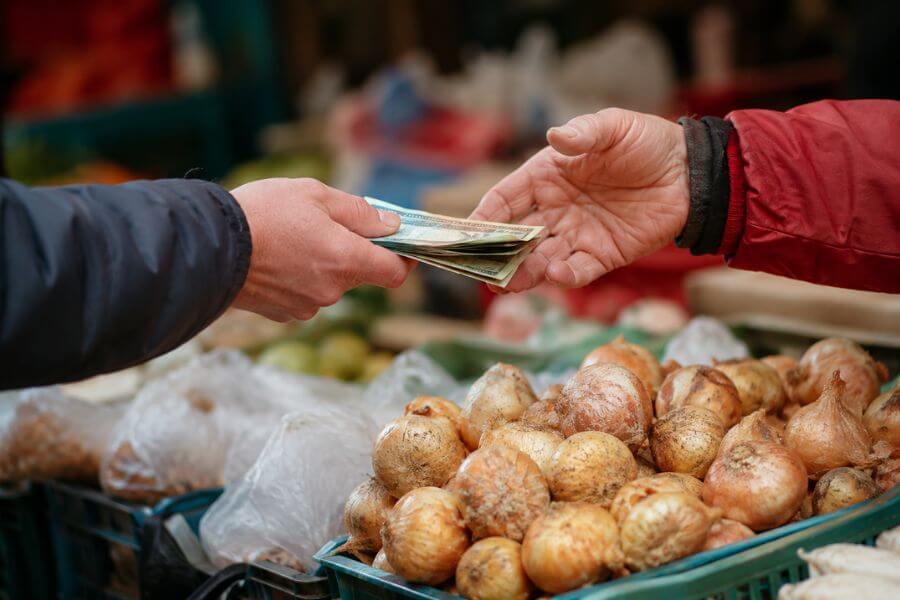
If you plan to shop at traditional Korean markets, learning a few simple Korean phrases can save you money and make your experience much more fun. While many prices at large stores are fixed, smaller markets in South Korea sometimes allow light bargaining, especially when you buy several items at once. Vendors usually appreciate travelers who try speaking Korean, even if your pronunciation is not perfect.
The good news is that you do not need to become fluent to negotiate prices politely. A few useful phrases can help you ask for discounts, understand prices, and build friendly conversations with sellers. In many cases, your polite attitude matters just as much as the words you use.
In this guide, you will learn the best Korean phrases for negotiating prices at markets, what they mean, when to use them, and how they can help you shop smarter during your trip to Korea.
Quick Summary Table 🛍️
| No. | Korean Phrase | English Meaning | Best Situation |
|---|---|---|---|
| 1 | 깎아 주세요 (Kkakka juseyo) | Please give me a discount | General bargaining |
| 2 | 조금만 더 싸게 안 될까요? (Jogeumman deo ssage an doelkkayo?) | Could it be a little cheaper? | Polite negotiation |
| 3 | 현금으로 할게요 (Hyeongeumeuro halgeyo) | I will pay in cash | Asking for cash discounts |
| 4 | 이거 얼마예요? (Igeo eolmayeyo?) | How much is this? | Starting conversations |
| 5 | 두 개 사면 할인돼요? (Du gae samyeon harindoeyo?) | Is there a discount if I buy two? | Bulk purchases |
| 6 | 서비스 좀 주세요 (Seobiseu jom juseyo) | Please give a little extra | Asking for bonus items |
| 7 | 너무 비싸요 (Neomu bissayo) | It is too expensive | Expressing concern about price |
| 8 | 다른 가게에서는 더 싸던데요 (Dareun gageeseoneun deo ssadeon deyo) | Another store had it cheaper | Comparing prices |
| 9 | 마지막 가격이에요? (Majimak gagagieyo?) | Is that the final price? | Final negotiations |
| 10 | 감사합니다, 다음에 또 올게요 (Gamsahamnida, daeume tto olgeyo) | Thank you, I will come again | Ending politely |
How We Ranked These Phrases 📋
We ranked these Korean market phrases based on several important factors:
- How often locals and travelers actually use them
- Whether the phrases sound polite and natural
- How useful they are in traditional markets
- How easy they are for beginners to pronounce
- Whether they help create friendly conversations
- How effective they are for getting better prices
- Whether they can be used in many shopping situations
1. 깎아 주세요 (Kkakka Juseyo) – Please Give Me a Discount 💰
This is probably the most famous bargaining phrase in Korea. If you only learn one sentence before visiting a Korean market, make it this one. The phrase directly asks the seller to lower the price in a polite way.
You can use this phrase at flea markets, traditional street markets, souvenir shops, and some smaller clothing stores. It works especially well when prices are not clearly fixed.
The key to using this phrase successfully is your tone. Smile, stay friendly, and avoid sounding demanding. Korean culture values politeness, so even a direct request should sound soft and respectful.
For example, if a vendor says an item costs 20,000 won, you can smile and say, “깎아 주세요?” Many sellers may lower the price slightly or include something extra.
This phrase is short, simple, and easy to remember, making it perfect for first-time visitors.
2. 조금만 더 싸게 안 될까요? (Jogeumman Deo Ssage An Doelkkayo?) – Could It Be a Little Cheaper? 🤝
This phrase sounds softer and more polite than directly asking for a discount. Instead of saying “Lower the price,” you are gently asking whether a cheaper price might be possible.
Korean vendors often respond better to polite and humble language. This phrase helps you sound respectful while still negotiating.
The phrase works well in tourist markets, handmade craft shops, and local fashion stalls. It also feels less aggressive than simple bargaining phrases.
If you are nervous about negotiating, this sentence is a great choice because it creates a friendly atmosphere instead of pressure.
Many sellers may respond positively simply because you made the effort to speak politely in Korean.
3. 현금으로 할게요 (Hyeongeumeuro Halgeyo) – I Will Pay in Cash 💵
Cash still matters in many traditional Korean markets. Some vendors are more willing to lower prices if you offer to pay with cash instead of a card.
This phrase tells the seller you are ready to pay immediately with cash, which may encourage them to offer a small discount.
You can combine this phrase with another bargaining phrase for better results. For example:
“현금으로 할게요. 조금만 더 싸게 안 될까요?”
That combination often sounds natural and reasonable.
In many countries, including Korea, sellers appreciate cash because it avoids card processing fees and speeds up transactions.
4. 이거 얼마예요? (Igeo Eolmayeyo?) – How Much Is This? 🏷️
Before you negotiate, you first need to ask for the price. This phrase is one of the most useful Korean shopping expressions overall.
Even if the price is written somewhere, asking directly can open the door to conversation. Vendors may become more willing to negotiate after speaking with you for a moment.
This phrase is especially useful in busy traditional markets where price tags are missing or unclear.
You can also use it while pointing at an item if you are unsure of the product name.
Many travelers underestimate how important simple conversation starters are during negotiations. A friendly interaction often leads to better deals.
5. 두 개 사면 할인돼요? (Du Gae Samyeon Harindoeyo?) – Is There a Discount if I Buy Two? 🎁
Buying multiple items increases your chance of getting a discount in Korea. Vendors are much more open to bargaining when you purchase more than one product.
This phrase helps you negotiate naturally without sounding too aggressive. Instead of asking for a random discount, you are offering the seller a larger sale.
For example, if you buy several souvenirs, shirts, or snacks, sellers may lower the price or add a free item.
This phrase also works well in cosmetic shops and accessory markets where bundle deals are common.
Group purchases are one of the easiest ways to save money while shopping in Korea.
6. 서비스 좀 주세요 (Seobiseu Jom Juseyo) – Please Give a Little Extra 🍬
In Korea, “service” does not always mean customer service. In shopping culture, “service” often refers to a small free extra item.
Instead of lowering the price, some sellers prefer giving bonus products. This could mean extra fruit, snacks, samples, or small accessories.
This phrase is very popular in traditional markets because it feels playful and friendly.
For example, if you buy strawberries at a market, the seller may add a few extra strawberries into your bag after hearing this phrase.
Many locals use this expression casually, so it can help you sound more natural while shopping.
7. 너무 비싸요 (Neomu Bissayo) – It Is Too Expensive 😅
This phrase lets the seller know the price feels high to you. It is direct but still commonly used in Korean shopping situations.
However, your tone matters a lot here. If you sound angry or rude, negotiations may stop immediately. Instead, say it lightly with a smile.
This phrase often encourages sellers to offer a better price on their own.
For example, if you hear a price that surprises you, you can react naturally by saying:
“너무 비싸요!”
Many vendors will laugh and respond with a lower offer or explanation.
8. 다른 가게에서는 더 싸던데요 (Dareun Gageeseoneun Deo Ssadeon Deyo) – Another Store Had It Cheaper 🏪
This phrase can be effective, but you should use it carefully. It tells the seller you saw a better price elsewhere.
In competitive market areas, sellers know customers compare prices between shops. Mentioning another store’s lower price can sometimes encourage them to match it.
Still, you should avoid sounding confrontational. Korean shopping culture values harmony and friendliness.
A soft tone makes this phrase much more effective. Think of it as sharing information rather than challenging the seller.
When used politely, it can lead to surprisingly good discounts.
9. 마지막 가격이에요? (Majimak Gagagieyo?) – Is That the Final Price? 🔍
This phrase is useful near the end of negotiations. It asks whether the seller can lower the price any further.
Sometimes vendors already give their best price immediately. Other times, they may still have room to negotiate.
Asking for the “final price” signals that you are seriously considering the purchase.
This phrase also helps you avoid endless bargaining. Once the seller confirms the final price, you can decide whether to buy or walk away politely.
Many experienced travelers use this sentence because it keeps negotiations simple and respectful.
10. 감사합니다, 다음에 또 올게요 (Gamsahamnida, Daeume Tto Olgeyo) – Thank You, I Will Come Again 🌟
Not every negotiation will succeed, and that is completely normal. Ending conversations politely is very important in Korea.
This phrase leaves a positive impression, even if you decide not to buy anything. Sellers appreciate respectful customers, and kindness can sometimes lead to better prices in the future.
In some markets, vendors remember repeat customers. Building friendly relationships matters more than many travelers expect.
Even if you walk away, ending with gratitude helps you respect local culture while keeping the interaction pleasant.
Sometimes politeness itself becomes your best bargaining tool.
Conclusion 🧳
Learning a few Korean phrases can completely change your shopping experience in Korea. Instead of feeling nervous or confused, you can communicate with confidence and enjoy friendly conversations with local vendors.
The best part is that you do not need perfect pronunciation or advanced Korean skills. Most sellers appreciate the effort and respond warmly when visitors try speaking the language.
Remember that successful bargaining in Korea is usually polite, relaxed, and friendly. Aggressive negotiation styles that work in some countries may feel uncomfortable in Korean markets.
If you smile, stay respectful, and use these phrases naturally, you will not only improve your chances of getting better prices but also create more memorable experiences during your trip.
Frequently Asked Questions ❓
Can you negotiate prices everywhere in Korea?
No, bargaining is mostly common in traditional markets, street stalls, and some small independent shops. Department stores, supermarkets, and most chain stores usually have fixed prices.
Is bargaining considered rude in Korea?
Polite bargaining is generally acceptable in markets, especially tourist areas and traditional shopping streets. However, you should always stay respectful and avoid aggressive behavior.
Do Korean sellers expect tourists to bargain?
Some do, especially in popular markets. Others may offer fixed prices immediately. It depends on the location, the item, and the seller.
What is the best market in Korea for practicing these phrases?
Traditional markets like Namdaemun Market, Gwangjang Market, and Jagalchi Market are great places to practice simple Korean bargaining phrases while shopping.
Should you bargain for food at Korean markets?
You usually should not aggressively negotiate food prices. Instead, asking for “service” or a small extra item is more common and culturally natural.