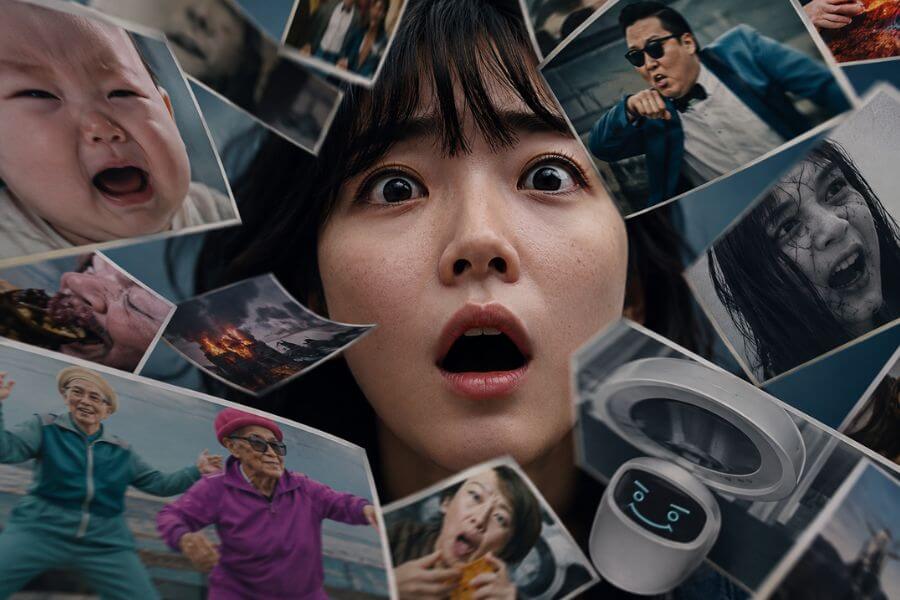
Korean advertising is famous for being bold, emotional, and sometimes completely bizarre. While many countries play it safe with polished commercials and predictable slogans, South Korean brands often take the opposite path. They lean into weird humor, shocking visuals, awkward situations, and over-the-top storytelling that instantly grabs your attention.
What makes these campaigns even more interesting is that many of them actually worked incredibly well. Some boosted sales overnight, while others became cultural moments people still talk about years later. In a country where trends move fast and competition is fierce, strange advertising can sometimes be the smartest move a company can make.
In this article, you will discover some of the weirdest Korean advertising campaigns that somehow turned into massive successes. From dancing celebrities to giant inflatable monsters and emotional fried chicken ads, these campaigns prove that being unforgettable matters more than being normal.
Quick Summary Table 🧩
| No. | Campaign | Brand | Why It Was Weird | Why It Worked |
|---|---|---|---|---|
| 1 | Psy and the Elevator Dance Ads | Various Korean Brands | Random dancing and chaotic humor | Went viral worldwide |
| 2 | Giant Baby Billboards | Korean Insurance Companies | Huge crying baby faces in cities | Grabbed instant attention |
| 3 | Fried Chicken Emotional Dramas | BBQ Chicken | Ads felt like soap operas | Created emotional connection |
| 4 | Talking Toilet Commercials | Bathroom Product Brands | Toilets speaking to customers | Memorable and funny |
| 5 | Celebrity Alien Commercials | Snack Brands | Stars acting like aliens | Younger audiences loved it |
| 6 | Scary Beauty Product Ads | Cosmetics Companies | Horror movie style makeup ads | Created curiosity online |
| 7 | Convenience Store ASMR Ads | GS25 and CU | Loud eating and crunching sounds | Perfect for social media |
| 8 | Dancing Grandparents Campaigns | Telecom Brands | Elderly people breakdancing | Surprising and wholesome |
| 9 | Fake Apocalypse Ads | Mobile Game Companies | End-of-world marketing | Massive online buzz |
| 10 | Singing Office Worker Commercials | Coffee Brands | Employees singing while stressed | Relatable and funny |
How We Ranked These Campaigns 🏆
We ranked these Korean advertising campaigns using several important factors:
- How strange or unexpected the campaign felt
- Public reaction and viral popularity
- Sales growth or brand awareness impact
- Creativity and originality
- Long-term cultural influence
- Social media engagement
- Memorability years later
- How well the campaign matched Korean pop culture trends
1. Psy and the Elevator Dance Ads 💃
Before viral marketing became common, Korean advertisers already understood the power of ridiculous humor. One of the biggest examples came during the rise of Psy. After the success of “Gangnam Style,” brands rushed to use his chaotic energy in commercials.
These ads often featured random elevator dancing, exaggerated facial expressions, and completely absurd situations. One commercial would show Psy suddenly dancing in a grocery store. Another would have him singing while people stared in confusion.
At first glance, the ads looked messy and unserious. But that was exactly why people watched them repeatedly. You could not predict what would happen next.
The campaigns worked because they matched internet culture perfectly. People shared clips online, created memes, and talked about the commercials as entertainment instead of advertising. Many brands saw huge increases in visibility simply because viewers could not stop laughing.
The lesson was simple. If people are entertained enough, they willingly spread the ad for free.
2. Giant Baby Billboards 👶
Some Korean insurance companies decided that normal family photos were too boring. Instead, they placed giant baby faces on billboards across cities. These babies were often crying, screaming, or making exaggerated emotional expressions.
The visuals looked strange and even slightly unsettling. Drivers and pedestrians could not ignore them.
The campaigns focused on themes like family protection, safety, and preparing for the future. By using oversized emotional baby images, the companies forced people to stop and think.
Even though many people joked about the creepy billboards online, the campaigns succeeded because they became unforgettable conversation starters.
In a crowded city filled with advertisements, being weird was actually an advantage.
3. Fried Chicken Emotional Dramas 🍗
Korean fried chicken brands are extremely competitive, so companies constantly search for creative marketing ideas. One unusual trend involved commercials that looked more like emotional television dramas than food advertisements.
Some ads featured heartbreak, dramatic reunions, and tearful confessions before suddenly revealing fried chicken at the end.
One famous campaign showed a lonely office worker eating chicken while reflecting on life choices. Another used romantic storytelling that felt surprisingly serious for fast food marketing.
The weird combination of emotional storytelling and fried chicken created strong reactions. Viewers laughed at the absurdity, but they also remembered the brand.
These campaigns worked because they connected food with comfort and emotion. Instead of simply selling taste, they sold feelings.
4. Talking Toilet Commercials 🚽
Korean advertisers have never been afraid of awkward topics. Several bathroom product companies created commercials where toilets literally talked to customers.
The toilets complained about bad cleaning habits, praised certain products, or made sarcastic jokes. Some commercials even gave toilets unique personalities.
It sounded ridiculous, but people loved the humor.
These ads became popular because they turned an uncomfortable subject into something entertaining. Instead of avoiding bathroom conversations, the campaigns embraced the awkwardness.
The humor also made the products easier to remember. Many viewers could not recall ordinary cleaning commercials, but they definitely remembered the talking toilets.
5. Celebrity Alien Commercials 👽
Korean snack brands often target younger audiences, and one strange trend involved celebrities pretending to be aliens.
Actors and idols appeared in silver outfits, landed on Earth in spaceships, and acted confused while eating chips or candy. Sometimes the ads made almost no logical sense at all.
One commercial showed an alien discovering ramen and becoming emotional after tasting it. Another had a celebrity communicating through dance moves instead of language.
The randomness became the entire point.
These campaigns succeeded because younger viewers enjoyed unpredictable humor. The strange visuals also worked perfectly for short video clips on social media.
People shared the commercials simply because they were bizarre enough to stand out.
6. Scary Beauty Product Ads 💄
Most beauty ads focus on elegance and perfection. Some Korean cosmetic brands went in the complete opposite direction by using horror movie concepts.
Commercials featured cracked skin effects, creepy lighting, dramatic music, and intense close-ups that felt more like thriller films than skincare marketing.
One campaign even showed a woman transforming into a terrifying character because she skipped her skincare routine.
These ads shocked audiences because beauty marketing is usually calm and glamorous. The horror style immediately captured attention online.
Surprisingly, the campaigns performed very well because viewers became curious. Even people who normally ignored beauty ads watched until the end just to see what happened.
In a market filled with similar-looking commercials, fear became a powerful marketing tool.
7. Convenience Store ASMR Ads 🎧
ASMR content became extremely popular in South Korea, especially among younger viewers. Convenience store chains like GS25 and CU quickly jumped into the trend.
Their commercials focused heavily on crunchy eating sounds, sizzling noodles, drink pouring noises, and exaggerated microphone effects.
Very little dialogue appeared in these ads. Instead, the sounds became the main attraction.
Some viewers found the ads relaxing, while others thought they were hilariously strange. Either way, people kept watching and sharing them.
The campaigns worked because they matched modern viewing habits perfectly. Many people consumed the videos with headphones on social media, making the sound effects even more immersive.
8. Dancing Grandparents Campaigns 🕺
Several Korean telecom and technology companies surprised audiences by featuring elderly people dancing, rapping, or performing trendy youth culture activities.
One memorable campaign showed grandparents breakdancing while promoting faster internet services. Another featured older adults using slang and dances to modern music.
The unexpected contrast instantly caught attention.
These ads became successful because they felt wholesome and funny at the same time. Younger viewers enjoyed the humor, while older audiences appreciated the positive representation.
The campaigns also challenged stereotypes about aging, making them feel more meaningful than typical commercials.
9. Fake Apocalypse Ads 🌍
Mobile game companies in Korea are famous for aggressive marketing, but some campaigns took things to extreme levels.
A few companies created advertisements that looked like real disaster movies. Cities appeared abandoned, giant monsters attacked buildings, and dramatic news reports warned people about the end of the world.
Only near the end did viewers realize the commercial was promoting a mobile game.
The campaigns generated massive online discussion because people were shocked by the cinematic quality and unexpected twists.
Even viewers who never played mobile games watched the ads out of curiosity. The over-the-top drama created strong emotional reactions, which helped the commercials spread quickly across the internet.
10. Singing Office Worker Commercials ☕
Coffee brands in South Korea often target exhausted office workers. One weird but effective trend involved employees suddenly singing during stressful work situations.
A worker buried in paperwork would suddenly perform a dramatic musical number after drinking coffee. Entire offices would join in with dancing and emotional singing.
The ads looked completely unrealistic, but they captured something relatable about workplace stress.
Viewers connected with the fantasy of escaping boring office routines through humor and energy.
The campaigns succeeded because they mixed comedy with everyday struggles that many people understood. Even if the commercials were ridiculous, the emotions behind them felt real.
Conclusion ✨
Korean advertising has proven that strange ideas can sometimes create the biggest success stories. While many companies around the world rely on safe and predictable marketing, Korean brands often embrace chaos, humor, emotion, and pure randomness.
These weird campaigns worked because they made people feel something. Whether viewers laughed, felt shocked, got emotional, or simply became confused, they remembered the ads long after watching them.
In today’s crowded digital world, attention is everything. Korean advertisers understand that being unforgettable matters more than being perfect. Sometimes the weirdest idea in the room is also the smartest.
Frequently Asked Questions ❓
Why are Korean advertisements often so unusual?
Korean advertising is heavily influenced by fast-moving internet culture, social media trends, and strong competition between brands. Companies often use unusual concepts to stand out and create viral moments.
Do weird advertising campaigns actually increase sales?
Yes, many strange campaigns succeed because they attract attention and become memorable. When people keep talking about a commercial online, the brand gains free exposure and stronger recognition.
Are celebrity endorsements important in Korean advertising?
Very important. Korean brands frequently use actors, K-pop idols, and entertainers because fans strongly connect with celebrities and often support products they promote.
Why do emotional stories appear in Korean commercials?
Many Korean ads focus on emotions because emotional storytelling creates stronger viewer connections. Even products like chicken or coffee are often linked to friendship, family, or personal struggles.
Which industries in Korea use the weirdest advertising?
Food brands, beauty companies, mobile games, and convenience stores are especially known for unusual marketing campaigns because those industries compete very aggressively for younger consumers.