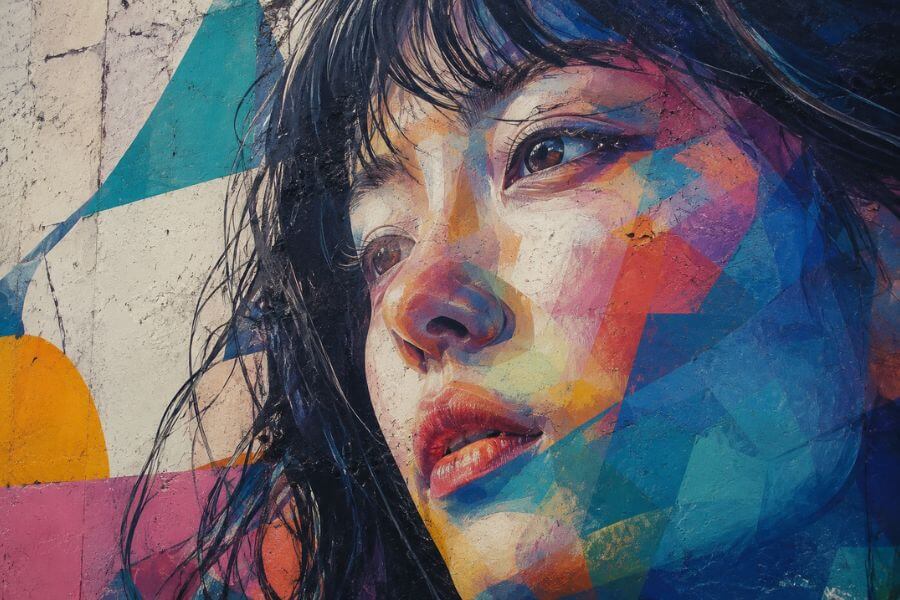
South Korea is famous for K-pop, food, and technology, but its street art scene deserves just as much attention. Across the country, you can find giant murals painted on apartment walls, colorful alleyway artwork, and emotional pieces that tell stories about local history, culture, and everyday life. Some murals celebrate hope and community, while others turn forgotten neighborhoods into popular travel spots.
When you walk through these streets, you are not just looking at paint on a wall. You are seeing the personality of each neighborhood. Many of these murals were created to revive old areas, support local artists, or share meaningful stories with visitors from around the world.
In this guide, you will discover the best street art murals in South Korea and learn the fascinating stories behind them.
Quick Summary Table 🖌️
| Mural | Location | Known For | Main Story |
|---|---|---|---|
| Ihwa Mural Village Artworks | Seoul | Hillside mural village | Community revival through art |
| Gamcheon Culture Village Murals | Busan | Colorful artistic neighborhood | Transformation from poverty to creativity |
| Songwol-dong Fairy Tale Murals | Incheon | Storybook-themed streets | Family-friendly urban renewal |
| Dongpirang Village Murals | Tongyeong | Ocean-themed paintings | Saving a village from demolition |
| Gwangju Penguin Village Murals | Gwangju | Retro and emotional art | Preserving memories of older generations |
| Mural Alley at Mullae Art Village | Seoul | Industrial-style graffiti | Artists reshaping factory districts |
| Jaman Mural Village | Jeonju | Korean traditional themes | Blending modern art with hanok culture |
| Haenggung-dong Murals | Suwon | History-inspired paintings | Celebrating local identity |
| Taehwa-dong Murals | Ulsan | Nature and community art | Bringing life back to aging neighborhoods |
| Sinseon Village Murals | Busan | Massive stairway art | Connecting residents through creativity |
How We Ranked These Murals 🌟
We ranked these street art locations based on several important factors:
- Artistic quality and creativity
- Cultural or historical meaning
- Popularity among visitors and locals
- Impact on the surrounding neighborhood
- Story behind the artwork
- Photo opportunities and atmosphere
- Variety of mural styles
- Accessibility for travelers
- Emotional connection and uniqueness
1. Ihwa Mural Village Artworks in Seoul 🏙️
Located near Naksan Park in Seoul, Ihwa Mural Village became one of the country’s most famous street art destinations after artists transformed the quiet hillside neighborhood into an outdoor gallery.
The narrow alleys are filled with colorful flowers, painted staircases, cartoon characters, abstract art, and dreamy landscapes. One of the most famous works used to be the giant koi fish staircase mural, which attracted thousands of visitors every year.
The story behind Ihwa Mural Village is deeply connected to urban renewal. The neighborhood was slowly aging, and many younger residents had moved away. To help bring visitors and energy back to the area, local artists joined a government art project that encouraged creativity throughout the village.
What makes this place special is the contrast between old Seoul and modern artistic expression. You can still see elderly residents living in traditional homes beside bold contemporary murals. Walking through the village feels personal and emotional because the artwork exists within real daily life rather than inside a museum.
If you visit during sunset, the entire area glows with warm light, making the murals even more beautiful.
2. Gamcheon Culture Village Murals in Busan 🌈
Gamcheon Culture Village in Busan is often called the “Machu Picchu of Korea” because of its colorful houses climbing the hillside. While the architecture alone is stunning, the murals throughout the village make it unforgettable.
You will find giant fish paintings, whimsical sculptures, hidden alley art, and interactive murals that encourage visitors to take photos. Every corner feels playful and creative.
The village originally housed refugees during the Korean War. For many years, it remained one of Busan’s poorer neighborhoods. Eventually, artists and community leaders worked together to transform the area through public art projects.
Instead of erasing the village’s difficult history, the murals celebrate resilience and hope. Many artworks reflect themes of family, dreams, and community spirit. Local residents also became involved in preserving the artistic atmosphere.
Today, Gamcheon is one of Korea’s most visited art neighborhoods. Despite its popularity, the murals still carry emotional meaning because they represent survival and reinvention.
3. Songwol-dong Fairy Tale Murals in Incheon 📚
Songwol-dong Fairy Tale Village in Incheon feels like stepping into a giant children’s book. The streets are filled with murals inspired by famous fairy tales from around the world.
You can see colorful depictions of characters like Peter Pan, Alice in Wonderland, and Snow White painted across walls, stairways, and buildings. The bright colors and cartoon designs make the area especially popular with families.
The neighborhood once struggled economically after nearby Chinatown became more commercially successful. To attract visitors again, the city introduced a creative mural project focused on fantasy and imagination.
Unlike some street art areas that focus on social messages or abstract designs, Songwol-dong uses nostalgia and storytelling to create emotional connections. Adults often feel reminded of childhood memories while children enjoy the playful atmosphere.
The murals also helped small local businesses survive by increasing tourism to the area.
4. Dongpirang Village Murals in Tongyeong 🌊
Dongpirang Village is one of Korea’s most meaningful mural projects because the artwork literally helped save the neighborhood.
The hillside village in Tongyeong was once scheduled for demolition. Before construction plans could move forward, artists gathered to paint large murals across the village walls. Their goal was to show the beauty and cultural value of the area.
The murals became so popular that public opinion shifted. Instead of destroying the neighborhood, the city preserved it.
Many of the paintings feature ocean themes inspired by Tongyeong’s coastal identity. You will see fish, boats, sea creatures, and dreamy underwater scenes throughout the winding streets.
The village now represents the power of art to protect communities and preserve local identity. Walking through Dongpirang feels peaceful because the murals blend naturally with the sea breeze and hillside scenery.
5. Gwangju Penguin Village Murals 🐧
Penguin Village in Gwangju is not filled with polished modern graffiti. Instead, it offers something more emotional and nostalgic.
The murals and installations here combine recycled objects, handwritten signs, retro decorations, and colorful paintings that reflect memories of older Korea. The village earned its name because many elderly residents walked slowly like penguins through the neighborhood alleys.
Artists worked closely with local residents to preserve the area’s emotional atmosphere. Rather than turning the neighborhood into a trendy tourist spot, the project focused on honoring the lives and experiences of longtime residents.
Many murals tell stories about childhood, family, school life, and community traditions. The combination of humor and nostalgia makes Penguin Village feel deeply human.
Visitors often say this place feels more personal than other mural villages because every artwork seems connected to real memories.
6. Mural Alley at Mullae Art Village in Seoul ⚙️
Mullae Art Village offers a completely different street art experience compared to Korea’s colorful mural villages.
Originally an industrial steel factory district, Mullae slowly attracted artists looking for affordable studio space. Over time, the neighborhood evolved into one of Seoul’s most creative urban art zones.
The murals here are raw, edgy, and modern. You will see large graffiti walls, abstract paintings, political artwork, and industrial-inspired designs mixed with welding shops and old factories.
What makes Mullae special is the blend of heavy industry and artistic freedom. Sparks from metal workshops fly beside painted alleyways covered in street art.
Unlike tourist-focused mural villages, Mullae feels authentic and experimental. Artists continue creating new works regularly, so the area constantly changes.
The story behind Mullae reflects Seoul’s ability to reinvent old spaces without completely erasing their identity.
7. Jaman Mural Village in Jeonju 🏡
Located near Jeonju Hanok Village, Jaman Mural Village combines Korean tradition with playful street art.
The murals often include themes connected to Korean folklore, traditional clothing, food, and local culture. Bright cartoon paintings sit beside older homes, creating a charming contrast.
The village became more artistic as younger creators and small cafes moved into the area. Instead of focusing only on tourism, many artists tried to maintain the neighborhood’s relaxed atmosphere.
One reason visitors love Jaman is the peaceful pace. Compared to larger mural villages, it feels quieter and more intimate.
The murals help bridge Korea’s past and present. You can experience traditional architecture while enjoying modern artistic creativity at the same time.
8. Haenggung-dong Murals in Suwon 🏯
Near the famous Hwaseong Fortress in Suwon, Haenggung-dong features murals inspired by local history and everyday Korean life.
Many paintings celebrate Suwon’s royal heritage, while others focus on community stories and modern culture. The artwork adds warmth and creativity to the historic district.
Artists carefully designed many murals to match the neighborhood’s atmosphere instead of overpowering it. You will find softer colors and meaningful scenes rather than flashy graffiti styles.
The area became more vibrant as local businesses, artists, and residents worked together to improve public spaces.
Haenggung-dong shows how street art can support cultural preservation instead of replacing history.
9. Taehwa-dong Murals in Ulsan 🌿
Ulsan is known as an industrial powerhouse, but Taehwa-dong reveals a softer artistic side of the city.
The mural project focused on bringing life back to an older residential neighborhood. Artists painted nature scenes, community portraits, flowers, and uplifting messages across walls and stairways.
The artwork helped create stronger connections between residents while encouraging visitors to explore areas they might otherwise ignore.
One touching aspect of Taehwa-dong is how many murals focus on hope, healing, and positivity. The paintings were designed to improve daily life for local residents, not just attract tourists.
This gives the neighborhood a warm and welcoming feeling.
10. Sinseon Village Murals in Busan 🚶
Sinseon Village in Busan is famous for its massive stairway murals and dramatic hillside artwork.
The steep streets are covered with colorful paintings that guide visitors through the neighborhood. Some murals stretch across entire staircases, creating giant visual illusions when viewed from certain angles.
The project helped reconnect the community and encourage tourism in an area that previously received little attention.
Many murals reflect themes of dreams, travel, and human connection. Because of the village’s elevated location, visitors also enjoy beautiful views of Busan while exploring the artwork.
The combination of scenery and creativity makes Sinseon Village one of Korea’s hidden artistic gems.
Conclusion ✨
South Korea’s street art murals are much more than colorful tourist attractions. They tell stories about survival, identity, creativity, and community transformation. In many cases, these artworks helped save neighborhoods, support local businesses, and preserve important cultural memories.
When you visit these mural villages and artistic neighborhoods, you experience a side of Korea that feels deeply personal and authentic. Every painted wall reflects the emotions and history of the people who live there.
Whether you prefer modern graffiti, nostalgic community art, or fantasy-inspired murals, South Korea offers an incredible variety of street art experiences that continue inspiring visitors from around the world.
Frequently Asked Questions ❓
Are South Korea’s mural villages free to visit?
Yes, most mural villages and street art neighborhoods are completely free to explore. Some nearby attractions or museums may charge admission, but the murals themselves are usually public.
What is the best time to visit Korean street art neighborhoods?
Spring and fall are the best seasons because the weather is comfortable for walking outdoors. Early mornings are also great if you want fewer crowds and better photos.
Can you take photos of the murals?
Yes, photography is generally allowed and encouraged. However, you should still respect local residents because many mural villages are active residential neighborhoods.
Are these mural villages easy to reach by public transportation?
Most major mural villages can be reached by subway, bus, or taxi. Places in Seoul and Busan are especially convenient for travelers using public transportation.
Why did South Korea create so many mural villages?
Many mural projects were created to revive aging neighborhoods, attract tourism, support local artists, and build a stronger community identity through public art.