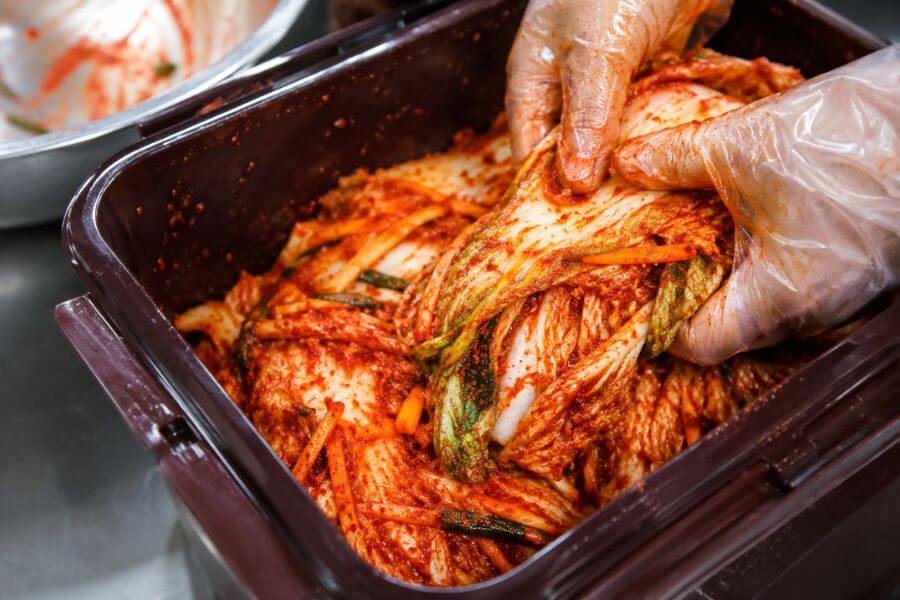
Making authentic kimchi at home is one of the most rewarding ways to bring Korean flavors into your kitchen. While traditional kimchi recipes rely on simple ingredients such as napa cabbage, radish, garlic, ginger, and Korean chili flakes, the right kitchen gadgets can make the process easier, cleaner, and more consistent.
Whether you are making your first batch or looking to improve your homemade kimchi, having the proper tools can save time and help you achieve better results. From preparing vegetables to storing and fermenting your finished kimchi, these gadgets can help you create delicious, authentic kimchi with less effort.
In this guide, you’ll discover the essential kitchen gadgets that many home cooks rely on to make flavorful kimchi that tastes fresh, crunchy, and authentic.
Quick Summary Table 📋
| Gadget | Best For | Why It’s Essential |
|---|---|---|
| Kimchi Fermentation Container | Fermenting and storing | Controls odors and fermentation |
| Large Mixing Bowl | Seasoning vegetables | Makes mixing easier |
| Mandoline Slicer | Uniform vegetable cutting | Saves preparation time |
| Digital Kitchen Scale | Accurate measurements | Improves consistency |
| Fine Mesh Strainer | Washing vegetables | Removes dirt efficiently |
| Food Prep Gloves | Handling chili paste | Protects hands from irritation |
| Vegetable Chopper | Quick vegetable prep | Speeds up cutting tasks |
| Glass Storage Jars | Small batch storage | Easy monitoring |
| Salad Spinner | Drying vegetables | Helps seasoning stick better |
| Digital Thermometer | Monitoring fermentation conditions | Improves fermentation control |
How We Ranked These Kitchen Gadgets 🔍
We selected these gadgets based on several important factors:
- Ease of use for beginners and experienced cooks
- Ability to improve kimchi quality and consistency
- Time-saving benefits during preparation
- Durability and long-term value
- Cleaning and maintenance requirements
- Suitability for authentic kimchi-making methods
- Storage convenience
- Overall usefulness throughout the entire kimchi-making process
1. Kimchi Fermentation Container 🫙
A dedicated kimchi fermentation container is arguably the most important gadget on this list. These containers are specifically designed to support fermentation while reducing odors and minimizing exposure to excess air.
Many kimchi containers feature inner lids that press vegetables beneath the brine. This helps maintain the ideal fermentation environment and prevents spoilage.
Benefits include:
- Better fermentation control
- Reduced refrigerator odors
- Longer freshness
- Easier storage
If you regularly make kimchi, investing in a proper fermentation container can significantly improve your results.
2. Large Mixing Bowl 🥣
Kimchi preparation involves coating large amounts of cabbage and vegetables with seasoning paste. A spacious mixing bowl gives you plenty of room to work without making a mess.
Look for bowls that are:
- Deep enough for tossing ingredients
- Lightweight yet durable
- Easy to clean
- Large enough for family-sized batches
A quality mixing bowl helps distribute seasoning evenly, ensuring every bite of kimchi has balanced flavor.
3. Mandoline Slicer 🔪
Consistency matters when making kimchi. A mandoline slicer helps create evenly cut vegetables, which improves both texture and fermentation.
This gadget is particularly useful for:
- Korean radish
- Green onions
- Carrots
- Cucumbers
Uniform slices absorb seasoning more evenly and ferment at a similar rate, resulting in a better finished product.
Many mandoline slicers also allow you to adjust thickness settings for different kimchi varieties.
4. Digital Kitchen Scale ⚖️
Authentic kimchi recipes often depend on precise ratios of salt and vegetables. A digital kitchen scale removes the guesswork and improves consistency.
Accurate measurements help with:
- Salting cabbage properly
- Maintaining recipe balance
- Reproducing successful batches
- Reducing waste
Even small measurement differences can affect fermentation, making a scale one of the most valuable tools in your kitchen.
5. Fine Mesh Strainer 🚿
Fresh vegetables need thorough washing before preparation. A fine mesh strainer makes rinsing easier while preventing small ingredients from slipping away.
This gadget is especially useful for:
- Chopped garlic
- Green onions
- Chili flakes residue
- Smaller vegetables
Good washing practices help create cleaner, fresher-tasting kimchi while improving food safety.
6. Food Prep Gloves 🧤
Kimchi seasoning paste contains garlic, ginger, and Korean chili flakes that can leave strong odors on your hands and cause irritation.
Food-safe disposable or reusable gloves provide several benefits:
- Protect sensitive skin
- Prevent staining
- Improve hygiene
- Allow easier mixing
Anyone who has mixed kimchi paste with bare hands knows how useful a simple pair of gloves can be.
7. Vegetable Chopper 🥕
If you frequently make kimchi, a vegetable chopper can dramatically reduce preparation time.
This tool helps quickly process:
- Garlic
- Onions
- Radishes
- Carrots
Many choppers produce uniform pieces, improving texture and ensuring ingredients blend well with the seasoning mixture.
For large batches, the time savings can be substantial.
8. Glass Storage Jars 🍶
While dedicated kimchi containers are ideal for large batches, glass jars work wonderfully for smaller portions.
Advantages include:
- Easy visibility of fermentation progress
- Non-reactive material
- Convenient refrigerator storage
- Simple cleaning
Glass jars also allow you to separate different kimchi varieties and experiment with new recipes without committing to a large batch.
9. Salad Spinner 🥗
After washing cabbage and vegetables, removing excess water is important. Too much moisture can dilute the seasoning and affect flavor development.
A salad spinner helps:
- Dry vegetables quickly
- Improve seasoning adhesion
- Reduce preparation time
- Prevent watery kimchi
This simple gadget often gets overlooked, but it can make a noticeable difference in the final product.
10. Digital Thermometer 🌡️
Temperature plays a major role in fermentation. A digital thermometer helps you monitor conditions and make adjustments when necessary.
Using a thermometer can help you:
- Check room temperature during fermentation
- Monitor storage conditions
- Improve consistency between batches
- Avoid overly rapid fermentation
Understanding temperature gives you greater control over flavor, texture, and fermentation speed.
Conclusion 🎉
Making authentic kimchi at home does not require a professional kitchen, but the right gadgets can make the process much easier and more enjoyable. A fermentation container, mixing bowl, digital scale, and a few preparation tools can improve everything from vegetable prep to long-term storage.
Whether you are creating traditional napa cabbage kimchi or experimenting with cucumber and radish varieties, these essential kitchen gadgets help you achieve more consistent results while saving time and effort. With the proper tools and a little practice, you’ll be able to enjoy delicious homemade kimchi whenever you want.
Frequently Asked Questions ❓
Do I need a special fermentation container to make kimchi?
No, you can use glass jars or food-safe containers. However, dedicated kimchi containers often provide better odor control and fermentation management.
How long should homemade kimchi ferment?
Fermentation time depends on temperature and personal preference. Many people ferment kimchi for one to three days at room temperature before refrigerating it.
Can I make kimchi without a kitchen scale?
Yes, but a kitchen scale improves accuracy and consistency, especially when measuring salt and vegetables.
What is the best container material for storing kimchi?
Glass and food-grade plastic are both popular choices because they are non-reactive and easy to clean.
Why is drying vegetables important before seasoning?
Removing excess moisture helps the seasoning paste stick better and prevents the kimchi from becoming overly watery during fermentation.