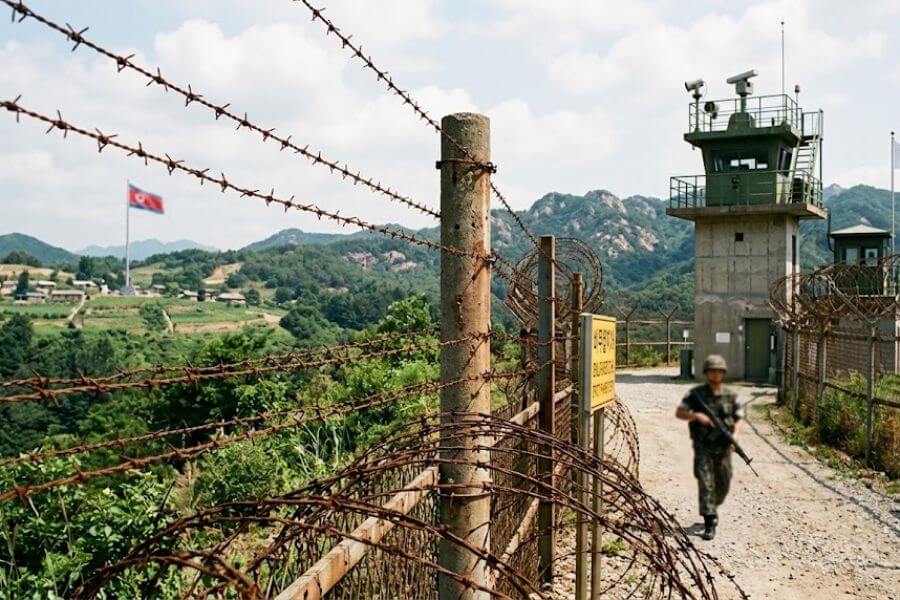
A day trip from Seoul to the Demilitarized Zone, known worldwide as the DMZ, is not your average vacation outing. It is a journey into living history, a place where the tension of the Cold War remains perfectly preserved. If you are staying in the bright, neon-lit streets of Seoul, this historic border sits just an hour away to the north. Planning a trip here in 2026 is an incredible opportunity to see the world from a brand-new angle, but it requires a bit of preparation. This guide will walk you through every step of your journey, ensuring you know exactly what to expect, how to prepare, and how to get the most out of this profound experience.
Understanding the Border History
To truly appreciate what you will see during your day trip, it helps to understand why this strip of land exists. The Demilitarized Zone was created back in 1953 at the end of the Korean War. When both sides agreed to stop fighting, they signed an armistice agreement, which was a truce rather than a formal peace treaty. To keep the two militaries apart, they drew a line across the peninsula and moved back exactly two kilometers on either side.
This resulted in a four-kilometer-wide buffer zone that stretches for 150 miles across the width of Korea. Because human activity has been strictly limited here for over seven decades, the area has unexpectedly turned into a thriving haven for rare wildlife and plants. Yet, beneath the peaceful greenery lies a massive collection of defenses, including barbed-wire fences, watchtowers, and landmines. It is a place of deep contrast, where beautiful nature meets serious military history.
Choosing the Right Type of Tour
You cannot simply hop on a regular public transit bus or rent a car to drive inside the security zones of the DMZ. Because it is an active military region, you must visit through a registered, licensed tour group. In 2026, travelers can choose between a few different styles of trips depending on their schedule and budget.
Half-Day Morning Tours
This is the most common option for visitors who want to see the main historic highlights but still want to spend their evening exploring the food markets or shopping districts back in Seoul. These trips usually gather very early in the morning, around 6:30 AM or 7:00 AM, at central transit hubs in Seoul like Myeongdong Station or City Hall. You ride out on a group bus, visit the primary monuments and tunnels, and return to the city by 2:30 PM.
Full-Day Extended Tours
If you want to dive deeper into the surrounding area, a full-day trip is an excellent choice. These itineraries include everything found in the half-day schedule, but they also take you to nearby historical or natural landmarks. For example, many full-day packages include a stop at the Gamaksan Suspension Bridge, where you can take a short hike through the forest to cross a dramatic valley on a red walking bridge, or the Majang Lake Suspension Bridge. These longer trips usually return to Seoul closer to late afternoon.
Private Custom Tours
For families, larger groups, or individuals who prefer to travel at their own speed, private tours offer a more personalized experience. You will have a private vehicle and a dedicated guide just for your group. While you still must follow the strict entry times and paths set by the military, a private tour allows you to ask endless questions and avoid the feeling of being rushed along by a large group of strangers.
Key Tour Comparison
| Tour Type | Average Time | Major Inclusions | Best Suited For |
| Half-Day Classic | 6 to 7 hours | Infiltration Tunnel, Dora Observatory, Imjingak Park | Travelers short on time |
| Full-Day Nature Combo | 9 to 10 hours | Standard DMZ sites plus Gamaksan Suspension Bridge | Hikers and scenery lovers |
| Private Guided Tour | Flexible | Customizable stops and dedicated vehicle | Families and history buffs |
Essential Packing and Preparation
Going to the border is not like going to an amusement park. The military guards enforce strict protocols, and forgetting a single item can result in you being turned away before you even get close to the border.
The Ultimate Document Check
Your physical passport is the single most important object to pack. It must be the original, valid booklet. Security forces at the checkpoints will not accept a digital photo of your passport on your smartphone, a printed photocopy, or a driver’s license. Before the bus crosses the Unification Bridge, a soldier will step onto the vehicle and check every passenger’s face against their physical passport. If you leave your passport in your Seoul hotel room, your trip ends right there.
What to Wear
The dress code for standard DMZ areas has loosened over the years, but it is still vital to dress respectfully. Avoid wearing military-style camouflage patterns or clothing that features offensive symbols. Comfort is also a major factor, especially when it comes to your footwear. You will be doing a significant amount of walking, and some sections involve steep inclines. Sturdy sneakers or hiking shoes with excellent grip are highly recommended. Leave the flip-flops, sandals, and high heels back at your hotel.
What to Bring in Your Daypack
Keep your packing light because you will need to leave large bags inside the tour bus lockers during certain portions of the day. Bring a refillable water bottle to stay hydrated, some local currency for snacks or souvenirs, and a fully charged phone or camera. A lightweight jacket is also smart to pack, even during the hot summer months, because the underground tunnels can feel remarkably chilly and damp.
Major Stops on the Journey
A standard itinerary from Seoul takes you through a series of highly significant locations, each offering a different window into the past and present of the region.
Imjingak Park
This park is located just outside the restricted zone, meaning it is accessible to everyone without a passport check. For many South Koreans, especially those with family roots in the north, Imjingak is a place of deep emotion. It features several moving monuments, including the Mangbaedan Altar, where people gather during traditional holidays to bow toward their ancestral homes in the north.
You will also see the Freedom Bridge, a old wooden structure where thousands of prisoners of war walked back to freedom at the conclusion of the conflict. Nearby, a battered steam locomotive sits on display, covered in hundreds of bullet holes from the war, serving as a silent witness to the heavy fighting that took place here.
The Third Infiltration Tunnel
This is often the most thrilling and physically demanding part of the whole day. Since the 1970s, South Korea has discovered four secret tunnels dug beneath the border from the north. The Third Infiltration Tunnel, discovered in 1978, is wide enough to allow a full army division to pass through in just one hour.
To visit, you will put on a protective hard hat and walk down a long, steep access ramp that takes you deep underground. The tunnel walls are made of solid rock, and the ceiling becomes quite low in certain sections, requiring taller visitors to duck their heads. As you walk along the dim path, you will eventually reach a thick concrete barricade that blocks the actual border line, showing just how close the two sides really are.
Dora Observatory
Once you come back up to the surface and catch your breath, the tour bus will carry you up to Dora Observatory, situated on the top of Mount Dora. This lookout post provides a direct view across the border line into North Korea. On a clear day, you can look through powerful binoculars to see a variety of striking sights.
You can spot the North Korean village of Kijong-dong, which features an enormous flagpole flying the North Korean flag. You can also catch glimpses of local farmers working in the distant fields, ancient city structures in Kaesong, and the distant mountains stretching across the horizon. Standing on the viewing platform makes the reality of the divided peninsula feel incredibly immediate.
Unification Village
Known locally as Tongil-chon, this is a small, quiet farming community located inside the restricted border area. The civilians who live here must follow unique security rules, such as a nightly curfew, but in return, they receive access to large plots of fertile land. The village is famous for producing high-quality agricultural items, particularly soybeans and ginseng. Most tours stop at the local village market, where you can sample unique treats like local soybean ice cream or purchase specialty souvenirs to take home.
Crucial Travel Tips for 2026
To ensure your trip runs smoothly without any unexpected surprises, keep these professional travel tips in mind while booking and planning your day.
- Book Your Space Early: Because the military limits the number of tour buses that can enter the restricted zone each day, tickets can sell out weeks in advance. Do not wait until you arrive in Seoul to book your excursion.
- Keep Your Schedule Flexible: The DMZ is a live security zone. If military exercises are called or if regional tensions rise, the border can close to tourists without any advance notice. Avoid booking your tour on your very last day in Korea just in case you need to reschedule.
- Watch the Monday Closures: The official DMZ tourism sites are closed to the public every single Monday, as well as during major national holidays. Plan your week accordingly so you do not miss out.
- Obey the Photography Rules: Your guide will tell you exactly when you can and cannot take photos. At locations like Dora Observatory, there are yellow lines painted on the ground marking where cameras are permitted. Taking photos of military equipment or hidden guard posts can result in a soldier confiscating your memory card.
Frequently Asked Questions
Is it safe to visit the DMZ?
Yes, visiting the designated tourist areas of the DMZ is considered highly safe. Thousands of international travelers make this journey every single month. The entire region is carefully managed by both the South Korean military and United Nations forces. The authorities monitor the area constantly, and if there is ever any elevated risk or security concern, they will immediately pause all tours and reroute the buses to ensure public safety.
Can children join the day trip?
Children are absolutely welcome on the standard DMZ tours, and the experience can be an incredible, real-world history lesson for younger students. However, parents should keep in mind that the walk down and back up the Third Infiltration Tunnel is very steep and can be tiring for little legs. Strollers are not permitted inside the underground tunnel due to the narrow space, so you will need to carry very young children during that specific portion of the excursion.
Can I visit the Joint Security Area where the blue buildings are located?
In 2026, the Joint Security Area, also known as Panmunjom or the JSA, remains closed for standard public tour groups due to ongoing security restrictions and military operational needs. Most day trips focus heavily on the Third Infiltration Tunnel, Dora Observatory, and Imjingak Park. These locations still offer an exceptionally deep, detailed, and memorable look at the border.
How long does the drive take from downtown Seoul?
The drive from central Seoul to the main staging area at Imjingak Park takes roughly one hour, depending on the morning traffic exiting the city. Because the distance is relatively short, you will not spend your whole day sitting on a bus. The short travel time makes it one of the most convenient and high-impact day trips you can take during your stay in the capital city.
What happens if I forget my passport?
If you forget to bring your original, physical passport on the morning of your tour, you will not be allowed to board the bus or pass through the military checkpoints. Digital copies or photos on your mobile device are strictly rejected by the guards. It is always best to double-check your daypack before leaving your hotel room to make sure you have your physical document ready.
Is food provided during the day trip?
Food arrangements depend entirely on the specific tour package you choose. Many half-day tours do not include a sit-down meal, but they do provide short breaks at Imjingak Park or the Unification Village where you can purchase snacks, coffee, and local treats. Full-day tours often include a stop for a traditional Korean lunch at a nearby restaurant. Check your specific tour itinerary ahead of time so you know whether to pack some extra snacks.
Can I go to the DMZ without a tour group?
No, you cannot enter the restricted zone independently. The roads leading across the Unification Bridge are blocked by military checkpoints that only allow authorized tour vehicles and registered residents to pass. If you attempt to travel to the area on your own via public train or bus, you will only be able to reach Imjingak Park, which sits outside the security gates. To see the tunnels and observatories, you must be part of an official group.