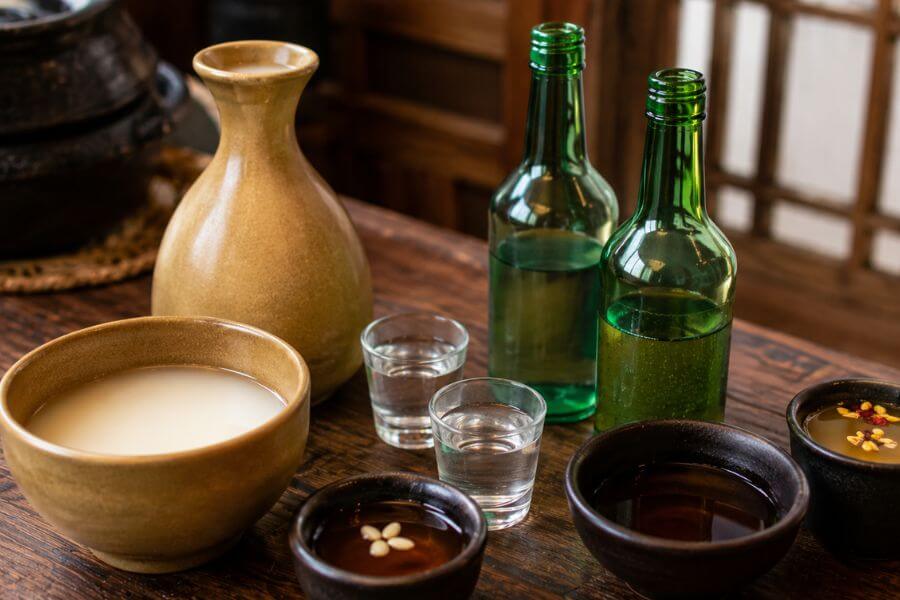
Korea has a deep relationship with fermentation. For centuries, households across the peninsula brewed their own unique spirits using just three humble ingredients: rice, water, and a traditional fermentation starter called nuruk. While modern life brought mass-produced beers and imported wines to the forefront, a massive revival is happening right now. People are looking backward to move forward, rediscovering the rich, complex flavors of traditional Korean alcohol, known collectively as traditional liquor.
Whether you are a curious traveler, a culinary adventurer, or someone who loves a great story in a glass, this guide will take you on a journey through the flavors, histories, and rituals of Korea’s finest traditional drinks.
Key Takeaways
- The Holy Trinity: Traditional Korean brewing relies on rice, water, and nuruk, an artisanal fermentation starter made from wheat or rice that contains wild yeasts and molds.
- Makgeolli’s Appeal: This cloudy, low-alcohol rice wine offers a complex balance of sweet, sour, bitter, and creamy flavors, and it pairs perfectly with savory, greasy foods like pancakes.
- Soju’s True Identity: Authentic premium soju is distilled from fermented rice wine using traditional pots, resulting in a smooth, aromatic spirit that is vastly different from green-bottle varieties.
- The Golden Spirits: Cheongju and yakju are the clear, golden liquids that rise to the top of rice brews, traditionally prized by royals and used in ancestral rituals.
- Diverse Fruit and Herb Infusions: Beyond rice, Korea boasts a world of infused spirits featuring ingredients like green plums, raspberries, chrysanthemum blossoms, and medicinal roots.
- Drinking Culture: Traditional Korean drinking is entirely social, built around the etiquette of pouring for others with two hands, sharing food, and matching the right beverage to the weather and setting.
The Foundation of Korean Brewing
To truly appreciate traditional Korean alcohol, you have to look closely at the magic that happens inside the fermentation jar. Unlike Western brewing traditions that often rely on isolated, single-strain yeasts, or beer brewing that requires malting grain to release sugars, the Korean method uses a completely different scientific approach.
The Magic of Nuruk
The heart and soul of any traditional Korean drink is nuruk. This is a fermentation starter cake made from coarsely ground grains, most commonly wheat, though barley and rice are also used. Brewers mix the grain with water, compress it into hard, dense discs or blocks, and let it sit in a warm, humid room for several weeks.
During this incubation period, wild molds, yeasts, and bacteria from the air settle into the cake. The wild molds produce enzymes that break down the starches in rice into fermentable sugars. At the same time, the wild yeasts convert those sugars into alcohol. This process happens simultaneously in a single container.
Because the microbes come from the local environment, every batch of nuruk possesses its own unique character. A starter cake made in a mountain village will yield a completely different flavor profile than one made near the breezy southern coast. This regional variance gives traditional Korean spirits an incredible depth of flavor that cannot be replicated in a modern industrial factory.
The Primary Ingredients
Traditional brewers do not hide behind a long list of additives. They rely on the purity and quality of basic elements to create exceptional flavors.
- Grains: Short-grain white rice, known as ssal, is the standard choice. Sticky rice, or chapssal, is also highly favored because it contains more amylopectin, a starch that yields a naturally sweeter and richer brew. Some regional recipes incorporate barley, millet, or sorghum to introduce earthy, nutty undertones.
- Water: The quality of the water directly shapes the final product. Historically, breweries were built near pristine mountain springs. Soft water creates a smooth, gentle drink, while hard water can result in a more robust, dry finish.
- Aromatic Enhancements: While not essential, many historic recipes call for seasonal additions. In the spring, brewers might scatter fresh azalea or chrysanthemum petals into the mash. In the winter, they might add dried pine needles, ginger, or citrus peels to introduce complex layers of aroma.
The Brewing Stages
The complexity of a Korean drink often depends on how many times the brewer feeds the fermentation mash. Each addition of grain and water creates a deeper, cleaner flavor profile with a higher alcohol content.
- Single-Stage Brews: Known as danyaju, these drinks are made by mixing rice, water, and nuruk all at once. They ferment quickly, usually within a week. The results are bright, raw, and slightly rustic, with a sharp acidity.
- Multi-Stage Brews: Premium spirits utilize two-stage or three-stage fermentation methods. The brewer starts with a base mash, then adds fresh batches of steamed rice and water over days or weeks. This keeps the yeast active and allows the alcohol level to rise naturally without killing the microbes, producing a velvety texture and an intricate balance of fruity notes.
Makgeolli: The Ancient and Cloudy Rice Wine
If you ask anyone to name a traditional Korean drink, makgeolli is likely the first word you will hear. This is the oldest alcoholic beverage on the Korean peninsula, deeply intertwined with the daily lives of regular people for millennia.
From Farm Fields to Trendy Bars
For generations, makgeolli was known as nongju, which translates to “farmer’s liquor.” During the busy planting and harvest seasons, farmers would brew large vats of this low-alcohol rice wine to drink during their breaks in the fields. It served two purposes: it quenched their thirst under the hot sun, and because it was thick and rich in nutrients, it provided a much-needed energy boost to get through hours of manual labor.
In the mid-twentieth century, as Korea modernized, makgeolli fell out of favor. Grains became scarce due to wartime shortages, forcing breweries to use cheap flour instead of rice, which hurt the quality and flavor. Young people began viewing it as an old-fashioned, low-class drink that caused terrible hangovers.
However, the twenty-first century has witnessed a massive transformation. A new generation of artisanal brewers has reclaimed the drink, throwing out artificial sweeteners and returning to high-quality rice and traditional nuruk. Today, you can find specialty bars in fashionable neighborhoods serving premium, naturally bubbly makgeolli in elegant wine glasses.
Production and Flavor Characteristics
The name makgeolli gives you a direct clue about how it is made. It roughly translates to “coarsely strained.”
When the rice mash finishes fermenting, it separates into two distinct layers. The top layer becomes clear, while the bottom contains a thick sediment of settled rice particles and yeast. To make makgeolli, the brewer mixes these layers together and strains the liquid through a coarse mesh or cloth, allowing some of the fine rice solids to pass into the final drink.
Because it contains active yeast and sediment, a bottle of fresh, unpasteurized makgeolli is alive. It undergoes continuous fermentation in the bottle, producing natural carbonation. When you take a sip, you experience an explosion of contrasting sensations:
- The Texture: It is milky, smooth, and slightly chalky on the tongue, giving it a comforting, substantial mouthfeel.
- The Taste: A good bottle balances gentle sweetness with a refreshing lactic tartness, reminiscent of unsweetened yogurt. You will also notice subtle notes of green apple, banana, melon, and a hint of earthy bitterness at the finish.
- The Alcohol Level: It usually sits comfortably between five and nine percent alcohol by volume, making it easy to enjoy over a long evening without feeling overwhelmed.
Commercial versus Artisanal Makgeolli
When shopping for this cloudy drink, you will generally run into two main categories, and understanding the differences will transform your drinking experience.
- Mass-Market Bottles: These are the green or white plastic bottles you see in convenience stores. To keep costs low and extend shelf life, industrial manufacturers pasteurize the liquid, which kills the live yeast and stops carbonation. They often substitute artificial sweeteners like aspartame for high-quality grain. While light and refreshing, they lack the flavor depth of the real thing.
- Artisanal and Craft Bottles: Craft makgeolli is unpasteurized and contains only rice, water, and nuruk. The sweetness comes entirely from the starches in the rice breaking down over a long fermentation period. These bottles feature complex flavor shifts depending on how long they sit in your refrigerator, growing drier and tarter as the days pass.
Flavor and Ingredient Variations
| Style | Distinctive Ingredient | Primary Flavor Experience |
| Classic Rice | Sticky rice (chapssal) | Creamy, mild sweetness, balanced yogurt-like acidity |
| Chestnut (Bam) | Roasted chestnuts | Nutty aroma, sweet finish, rich golden hue |
| Corn (Oksusu) | Sweet corn kernels | Popcorn-like smell, prominent sugary sweetness |
| Citron (Yuja) | Yuzu fruit peel | Bright citrus aroma, sharp tartness, refreshing finish |
| Purple Sweet Potato (Jacha) | Purple sweet potato | Earthy undertones, striking lavender or pink color |
Soju: The Clear Spirit of Korea
Move over vodka and whiskey; soju is officially one of the most consumed alcoholic spirits on the planet by volume. Yet, many people outside of Asia only know the green-bottle version found in local barbecue joints. True traditional soju is a completely different creature with a proud, centuries-old legacy.
The Origins: A Gift of Distillation Alchemy
The story of soju begins in the thirteenth century during the Mongol invasions of the Korean peninsula. The Mongols had learned the secret of distillation from the Persians during their Middle Eastern campaigns. They brought this technology to Korea, establishing distillation centers in military bases like Andong and Kaesong.
The locals took this new technology and applied it to their existing rice wines. By distilling a fermented rice mash in a traditional clay pot-still called a sojutgori, they created a fiery, crystal-clear spirit that they named soju, which means “burned liquor.”
For centuries, soju was a luxury item enjoyed exclusively by the royal court and the noble class. It was used as a medicine to treat ailments like stomach pain and colds, and it played a central role in high-society banquets.
The Great Soju Shift
To understand why modern soju tastes the way it does, you have to look at the twentieth century. In the nineteen-sixties, the Korean government banned the use of rice for alcohol production due to severe nationwide grain shortages.
Brewers had to adapt overnight. Instead of distilling rice in small batches, they turned to cheap starches like sweet potatoes, tapioca, and molasses. They distilled these ingredients in massive industrial columns to create a highly concentrated, nearly pure ethanol. They diluted this pure alcohol with water and mixed in sugar, citric acid, and artificial sweeteners to make it palatable.
This gave birth to the ubiquitous green-bottle diluted soju. It is cheap, highly accessible, and low in alcohol, designed for fast-paced social drinking. However, once the rice ban was lifted in the late nineteen-ninety, traditional distillers revived the historic craft of premium, distilled soju.
Traditional Pot-Still Distillation
True premium soju is crafted using a meticulous method that values quality over speed.
- The Mash: The process begins by brewing a high-quality rice wine using nuruk. This mash is fermented for several weeks until it reaches a natural alcohol level of around fifteen percent.
- The Sojutgori: The fermented liquid goes into a double-chambered clay pot. Fire heats the bottom chamber, causing the alcohol to vaporize before the water does. The top chamber contains cold water, which cools the rising alcohol vapors, causing them to condense and drip out through a narrow spout into a collecting vessel.
- Aging: Freshly distilled soju can be harsh and sharp. To mellow the flavors, premium distillers age the spirit in large breathable clay jars, known as onggi, for six months to several years. This aging process allows harsh compounds to evaporate through the porous clay, smoothing out the texture and developing a rich aroma.
Green Bottle versus Premium Distilled Soju
| Characteristic | Green Bottle Soju | Premium Distilled Soju |
| Production Method | Industrial dilution of mass-produced ethanol | Traditional single-batch pot distillation |
| Base Ingredients | Tapioca, sweet potato, molasses, additives | High-quality rice, barley, water, and traditional nuruk |
| Alcohol Content (ABV) | Low (16% to 20%) | High (25% to 53%) |
| Flavor Profile | Neutral, sweet, clean, with a slight alcohol burn at the end | Aromatic, complex, smooth, distinct grain notes, floral and earthy undertones |
| Primary Use | Casual social circles, high-volume drinking, mixed into cocktails | Sipping slowly, fine dining, special celebrations, tasting events |
Yakju and Cheongju: The Clear Rice Wines
When you ferment a batch of rice, water, and nuruk, you do not just get makgeolli. If you let the fermentation container sit completely undisturbed in a cool cellar for a few weeks, a beautiful separation occurs.
The heavy rice solids sink to the very bottom of the jar, leaving a brilliant, clear, straw-colored liquid resting gracefully on top. This elegant liquid represents the pinnacle of traditional Korean wine-making, known variedly as cheongju or yakju.
The Story Behind the Names
The terms used for this clear wine carry fascinating historic meanings that reveal how people viewed the drink.
- Cheongju: This name translates directly to “clear wine.” For centuries, this was the preferred drink of the Joseon Dynasty royal court and the aristocracy. It required large amounts of precious white rice to produce a relatively small yield of clear liquid, making it a high-status beverage. It was also the only alcohol deemed pure enough to be offered to ancestors during traditional memorial services.
- Yakju: This term translates to “medicinal wine.” There is a famous story behind this name. During times of poor harvests, the government would often issue alcohol prohibition laws to preserve grain supplies. However, exceptions were always made for medicine. Smart citizens began calling their beloved clear rice wine yakju, claiming they were drinking it strictly for health reasons to bypass the law. Over time, the name stuck as a general term for premium clear liquors.
Production and Tasting Notes
To harvest this liquid, brewers gently insert a cylindrical bamboo basket, called a yongsu, directly into the middle of the fermented rice mash. The basket acts as a fine filter. The clear liquid seeps through the tight weave into the hollow center of the basket, allowing the brewer to ladle out the pure wine without disturbing the heavy sediment below.
When you pour a glass of high-quality yakju, you will notice a pale yellow or deep golden hue. On the nose, it offers an incredibly complex bouquet that surprises people who expect a simple rice flavor.
Because of the wild microbes in the nuruk, you will often smell ripe bananas, apples, white blossoms, and warm honey, even though no fruit or sugar was ever added. On the palate, it feels light, clean, and silky. It strikes a beautiful balance between a gentle grain sweetness and a crisp, refreshing acidity, typically hovering around fourteen to sixteen percent alcohol by volume.
Gwasul: The Ingenious Fortified Wines
Centuries before European winemakers popularized Port or Sherry, Korean households discovered that mixing different styles of alcohol could solve a major problem: spoilage during hot weather. This discovery gave birth to a category of spirits known as gwasul, or fortified rice wines.
Beating the Summer Heat
Korea experiences incredibly hot, humid summers. Before modern refrigeration, low-alcohol rice wines like makgeolli or soft clear wines would quickly sour and spoil if left out in the heat.
To prevent this loss, brilliant home brewers realized they could add high-proof distilled soju directly into a fermenting batch of clear rice wine. The strong alcohol in the soju acted as a natural preservative, stopping the yeast activity and stabilizing the liquid, ensuring it would stay fresh through the dog days of summer.
Gwaha-ju: The Wine that Passes the Summer
The most famous example of this technique is gwaha-ju, which literally translates to “the wine that passes the summer safely.”
To make this drink, a brewer starts a standard batch of clear rice wine. Right when the fermentation reaches its peak and the natural sweetness is high, the brewer pours in high-proof distilled soju. This sudden spike in alcohol levels puts the yeast to sleep, leaving behind a wealth of unfermented rice sugars.
The resulting drink is a masterpiece of balance. It has the high alcohol punch of a spirit, usually around twenty percent, but retains the rich, luscious sweetness and delicate aroma of a fine rice wine. It feels velvety and warming, making it an incredible digestif to enjoy at the end of a rich meal.
Traditional Infusions: Fruits, Flowers, and Herbs
While rice forms the canvas of traditional Korean drinking, nature provides the paint. Throughout history, Koreans looked to their surrounding hills, forests, and gardens to find ingredients that could add flavor, aroma, and health benefits to their drinks. This practice created a vast world of infused spirits.
Sanyachoju: The Wisdom of Medicinal Infusions
In traditional Korean culture, food and medicine share the same root. If an ingredient was good for the body, it belonged in the alcohol jar. Sanyachoju refers to liquors infused with wild herbs, roots, and medicinal plants.
The most legendary of these is insam-ju, or ginseng wine. Distillers take whole, mature roots of Korean ginseng and submerge them in high-proof soju, letting them age for months or even years. The alcohol extracts the ginsenosides from the root, creating a golden spirit with an intensely earthy, bittersweet flavor and a woody aroma. It is widely consumed by older generations who believe it boosts stamina, improves blood circulation, and wards off fatigue.
Another popular medicinal variation is beki-ju, a complex spirit infused with a blend of ten different traditional herbs, including dried ginger, licorice root, and cinnamon bark. It offers a warm, spicy flavor profile that comforts the body on cold winter nights.
Gwahwaju: Drinking the Scent of Spring and Autumn
For those who prefer delicate flavors, gwahwaju, or flower-infused liquors, represent the height of poetic drinking. Rather than using heavy flavorings, brewers rely on the natural essential oils of dried blossoms to scent their rice wines.
- Dugyeon-ju (Azalea Wine): Made in the spring using fresh pink azalea petals collected from mountain slopes. It features a stunning amber color, a dense, viscous texture, and a sweet, intensely floral aroma that lingers beautifully on the palate.
- Gukhwa-ju (Chrysanthemum Wine): Crafted in the autumn using dried white and yellow chrysanthemum blossoms. It has a dry, crisp profile with a slight herbal bitterness that cleanses the palate, making it a favorite accompaniment for seasonal fall seafood.
Fruit Infusions: Sweet and Tart Delights
Korea’s distinct four seasons yield an abundance of fruits that find a natural home in alcohol. Unlike commercial liqueurs that rely on artificial syrups, traditional fruit infusions use whole, fresh ingredients and patience.
- Maesil-ju (Plum Wine): This incredibly popular drink is made by infusing green, unripe maesil plums in soju along with a touch of sugar. Over several months, the plums release their juices, resulting in a dark amber liqueur that perfectly balances a puckering tartness with an almond-like sweetness. It is commonly served cold at the end of meals because the natural acids in the fruit are believed to aid digestion.
- Bokbunja-ju (Raspberry Wine): Crafted from wild black raspberries that grow native on Korean hillsides. This deep purple, almost black wine is rich in antioxidants. It delivers an explosion of sweet, dark berry flavors with a tart, tannic finish that pairs beautifully with grilled meats.
The Cultural Rituals of Korean Drinking
In Korea, drinking is rarely a solitary activity, nor is it just about the alcohol itself. It is a highly structured social ritual designed to build trust, show respect, and strengthen relationships between friends, family members, and colleagues. Understanding the unwritten rules of the Korean table will help you navigate any social gathering like a local.
The Art of Pouring and Receiving
Korean drinking etiquette is anchored around respect, particularly regarding age and social status. The most fundamental rule to remember is that you should never pour your own drink. Doing so is traditionally thought to bring bad luck, but practically, it defeats the communal spirit of sharing.
When you pour a drink for someone else, especially an older person or a supervisor, you should hold the bottle or kettle with your right hand, while gently placing your left hand under your right forearm or wrist. This gesture dates back to ancient times when people wore long, flowing robes; holding the right sleeve back prevented it from dragging across the food or dipping into the cups.
When someone pours a drink for you, you should hold your cup with both hands as a sign of gratitude. If you are drinking with someone of higher status, it is polite to turn your head and body slightly away from them when taking a sip, obscuring your cup with your hand so they do not see you gulping the liquid down.
One Cup, Shared Bonds
In traditional gatherings, you might encounter the practice of ganjans, which means sharing a single cup around the table.
A host will finish their drink, wipe the rim of their cup with a clean napkin, and hand the empty cup to a guest. The host then fills that cup for the guest. Once the guest finishes the drink, they return the empty cup to the host and return the favor by pouring for them. This rapid exchange creates an immediate, intimate bond, breaking down formal barriers and signaling that everyone at the table is part of the same close circle.
Anju: The Essential Companion
You will almost never see a Korean person drinking alcohol without a plate of food on the table. In Korea, food served specifically to accompany alcohol is called anju. The relationship between the beverage and the dish is considered a sacred culinary marriage.
Drinking without anju is viewed as bad for your health and socially incomplete. Certain drinks have absolute, non-negotiable food pairings that are deeply embedded in the culture. If you change the pairing, you change the entire mood of the evening.
The Perfect Pairings: Matching Food with Liquor
To get the most out of traditional Korean spirits, you need to know which dishes elevate the flavors of each specific pour. The culinary philosophy focuses on contrasting and complementing textures and fat contents.
What to Eat with Makgeolli
Because makgeolli is thick, creamy, and effervescent, it excels at cutting through rich, oily, and savory foods.
The ultimate pairing is pajeon, a thick green onion pancake fried to a crisp in a generous amount of oil. The natural carbonation and lactic acidity of the rice wine scrub the heavy grease from your palate after every bite, leaving your mouth refreshed and ready for another piece. This combination is so famous that Koreans collectively crave makgeolli and pajeon whenever it rains outside.
Other incredible matches include bossam, which consists of tender, thick slices of boiled pork belly wrapped in salted cabbage leaves with spicy radish salad, or dubu kimchi, warm blocks of fresh tofu served alongside stir-fried, fermented kimchi and pork.
What to Eat with Soju
Clear, crisp distilled soju requires bold, intensely flavorful foods that can match its alcohol punch.
The undisputed king of soju pairings is samgyeopsal, thick strips of pork belly grilled right at your table. The clean finish of the spirit cuts right through the rich pork fat, while the warmth of the alcohol complements the charred flavor of the meat.
If you are enjoying premium, high-proof distilled soju, look toward spicy, comforting stews like budae jjigae (army base stew) or gamjatang (pork backbone stew). The complex grain aromas of an aged soju can stand up to the fiery red pepper flakes and deep savory broths without getting lost.
What to Eat with Yakju
Delicate, golden clear rice wines demand elegant, sophisticated pairings that will not overwhelm their subtle floral and fruity notes.
Yakju pairs beautifully with fresh seafood. Try it with a plate of raw white fish, known as hoe, or lightly seasoned grilled croaker. The gentle sweetness of the rice enhances the natural sugars of the fish, while the clean acidity neutralizes any unwanted fishy aftertastes. It also complements light vegetable dishes, seasoned wild mountain roots, and mild braised chicken recipes.
Comparing Traditional Korean Spirits
| Drink Category | Base Grain | Appearance | Typical ABV Range | Best Serving Temp |
| Makgeolli | Rice or sticky rice | Milky white, cloudy, opaque | 5% – 9% | Ice cold, shaken gently |
| Yakju / Cheongju | White rice | Translucent, golden straw | 13% – 16% | Chilled, like white wine |
| Premium Soju | Rice, barley, or sweet potato | Crystal clear, transparent | 25% – 50% | Room temp or slightly cool |
| Gwaha-ju | Rice plus distilled soju | Clear amber, dense body | 18% – 23% | Slightly chilled |
| Bokbunja-ju | Wild black raspberries | Deep purple, dark ruby | 12% – 15% | Cold, served in small cups |
| Maesil-ju | Green plums, soju base | Golden amber, bright clarity | 14% – 20% | Over ice or chilled neat |
How to Enjoy Traditional Korean Spirits at Home
You do not need to fly to Seoul to appreciate these historic drinks. With the growing availability of traditional bottles in international markets and specialty liquor stores, you can easily host your own Korean-style tasting night at home.
Storing Your Bottles Properly
How you store your selection depends entirely on whether the liquid is alive or stable.
- Live, Unpasteurized Bottles: If your bottle of makgeolli or yakju says “saeng” on the label, it means it contains live, active yeast. You must keep these bottles upright in the coldest part of your refrigerator at all times. Never lay them flat on their sides, as the natural gas buildup can push through the cap and cause a messy leak. Enjoy them within a few weeks of production for the brightest flavor.
- Pasteurized or Distilled Bottles: Pasteurized rice wines and all varieties of distilled soju are shelf-stable. You can store them in a cool, dark pantry away from direct sunlight for months or even years. Once you open a premium bottle of distilled soju, seal the cap tightly; it will retain its flavor profile for a long time without degrading.
Serving Techniques for Makgeolli
When you take a bottle of makgeolli out of the fridge, you will notice that all the white rice sediment has settled at the bottom, leaving a clear liquid on top. You have two choices for how to enjoy this.
The traditional way is to mix the layers. Gently tip the bottle upside down and back a few times to blend the sediment evenly into the liquid. Be careful not to shake it violently, or the natural carbonation will cause the bottle to erupt when you open it. Once blended, pour it into shallow bowls or wide brass cups.
Alternatively, some aficionados prefer to drink just the clear top layer, known as dongdongju or upper clearing. You can carefully pour off the clear liquid without disturbing the bottom layer. This gives you a lighter, crisper, and highly aromatic experience that behaves like a rustic white wine.
Creating a Home Tasting Flight
To truly appreciate the diversity of Korea’s liquid heritage, set up a progressive tasting flight for your friends. Start with a light, fresh, unpasteurized makgeolli to wake up the palate with its bright acidity and gentle fizz.
Next, move to a chilled glass of refined yakju, paying attention to the complex fruit notes derived entirely from the fermentation process. Conclude the evening by pouring small sips of a premium, clay-aged distilled soju at room temperature, allowing the warming finish and deep grain aroma to bring a satisfying end to your culinary journey.
Frequently Asked Questions
What makes traditional Korean rice wine cloudy compared to clear styles?
The cloudiness comes down to how the liquid is filtered at the end of the brewing cycle. When a batch finishes fermenting, the starches sink, leaving clear wine on top and solid sediment on the bottom. To make cloudy styles like makgeolli, the brewer mixes everything together and passes it through a wide mesh screen. This allows the ultra-fine rice particles and active yeast cells to remain in the liquid. Clear styles like yakju are harvested by sinking a fine bamboo basket into the mash, pulling out only the clear liquid from the center while leaving the solids behind.
Why do people drink makgeolli out of wide shallow bowls instead of standard glasses?
This tradition stems from practical history and chemistry. In old farming communities, makgeolli was poured directly from large earthenware vats or brass kettles into whatever bowls were handy in the kitchen or fields. From a sensory standpoint, wide, shallow bowls work perfectly for cloudy rice wines. Because the drink contains heavy rice solids that naturally settle over time, drinking from a wide bowl encourages you to gently swirl the liquid before each sip, keeping the mixture perfectly uniform.
Is premium distilled soju meant to be taken as a fast shot like cheaper varieties?
No, premium distilled soju should be treated with the same respect you would show a fine Scotch whiskey or a high-quality mezcal. While industrial green-bottle soju is often taken as a quick shot to mask its harsh chemical edge, traditional pot-distilled soju is crafted for sipping. Pour it into a small ceramic cup or a neat spirits glass at room temperature. Take small sips, letting the liquid coat your tongue so you can appreciate the complex toasted grain notes, floral aromas, and smooth, warm finish.
How long does a bottle of fresh traditional Korean alcohol stay good in the fridge?
The shelf life depends completely on whether the product is pasteurized. Fresh, unpasteurized rice wines contain live cultures that continue to consume sugars inside the bottle. These generally taste best within thirty to forty-five days from the bottling date, growing gradually less sweet and more tart over time. Pasteurized commercial bottles can last for up to a year on a shelf. High-proof distilled soju has no expiration date at all and can remain open in your cabinet indefinitely without spoiling.
Can people who follow a gluten-free diet safely drink traditional Korean rice spirits?
You need to exercise caution if you have a severe gluten allergy or celiac disease. While the main ingredient in these drinks is rice, the traditional fermentation starter, nuruk, is almost always made from coarsely ground wheat. Even though the grains are broken down significantly during the intense fermentation and distillation processes, trace amounts of gluten can remain in unfiltered drinks like makgeolli or clear clear wines. However, high-proof distilled soju is generally considered safe because the distillation process leaves heavy protein molecules behind. Always check with artisanal producers to find out if they use rare, alternative rice-based starters.