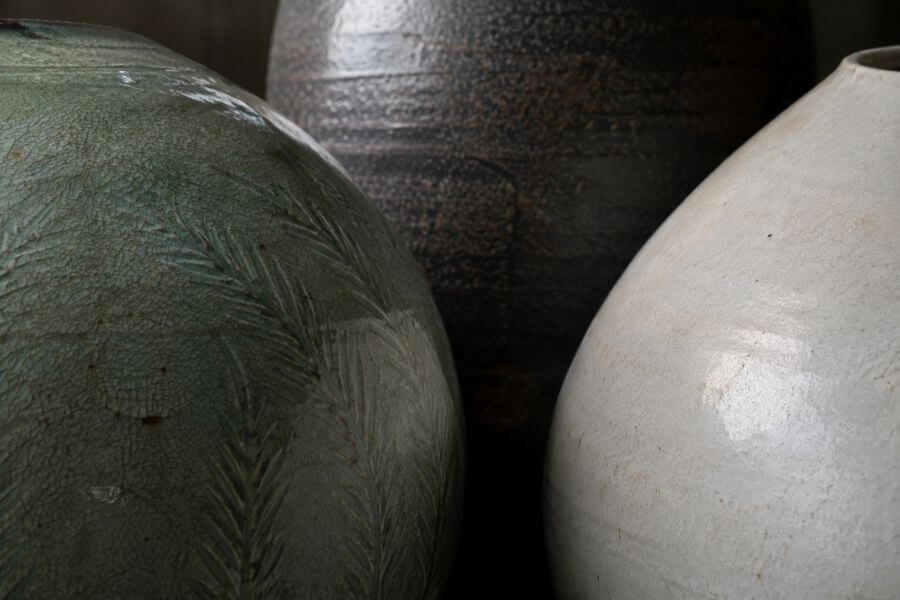
Korean ceramics are more than simple bowls, cups, and vases. They carry hundreds of years of history, craftsmanship, and cultural pride. When you look closely at Korean pottery, you can often see the calm beauty that Korean art is known for. Soft colors, natural shapes, and handmade details make these traditions feel timeless even today.
What makes Korean pottery even more special is that many traditional methods are still alive. Skilled artists across South Korea continue to shape clay by hand, fire pieces in traditional kilns, and pass techniques down through generations. Whether you visit a village workshop, a museum, or a local market, you can still experience these beautiful traditions in real life.
In this guide, you will discover the most beautiful Korean ceramic and pottery traditions that are still practiced today and why they continue to attract people from around the world.
Quick Summary Table 🏺
| Tradition | Known For | Main Colors | Still Practiced In |
|---|---|---|---|
| Goryeo Celadon | Elegant jade-green glaze | Green | Gangjin |
| Buncheong Ware | Rustic artistic designs | Gray and white | Icheon |
| Joseon White Porcelain | Minimal and pure beauty | White | Yeoju |
| Onggi Pottery | Fermentation jars | Brown and black | Ulsan |
| Black Pottery | Rare dark finish | Black | Gimhae |
| Tea Ceremony Ceramics | Korean tea culture pieces | Earth tones | Boseong |
| Wood-Fired Pottery | Natural ash effects | Mixed natural colors | Rural kiln towns |
| Moon Jars | Large round porcelain jars | White | Nationwide studios |
| Buddhist Temple Ceramics | Sacred ritual pottery | Neutral colors | Temple workshops |
| Contemporary Hanji Ceramic Fusion | Mixed traditional and modern art | Mixed textures | Seoul art studios |
How We Ranked These Traditions 🎨
We looked at several important factors while choosing these pottery traditions:
- Historical importance in Korean culture
- Beauty and uniqueness of the ceramic style
- Whether the tradition is still actively practiced today
- Cultural influence inside and outside Korea
- Handmade craftsmanship and artistic value
- Popularity among travelers and collectors
- Connection to Korean daily life and traditions
- Ability to preserve traditional techniques over generations
1. Goryeo Celadon Ceramics 🍃
Goryeo celadon is often considered the crown jewel of Korean pottery. This tradition became famous during the Goryeo Dynasty and is still admired today for its soft jade-green glaze and elegant shapes.
When you first see celadon pottery, you may notice how peaceful and balanced it feels. Many pieces feature delicate carvings of cranes, clouds, flowers, or lotus patterns. The green glaze almost looks alive under sunlight, which is one reason collectors love it so much.
Modern ceramic artists in places like Gangjin continue using traditional glazing and firing methods to recreate this classic style. Some workshops even use old-style climbing kilns to achieve authentic finishes.
You can find celadon bowls, tea sets, vases, and decorative art pieces that still follow methods developed hundreds of years ago. Even today, Korean celadon remains one of the country’s most respected ceramic traditions.
2. Buncheong Ware 🎭
Buncheong ware is very different from the polished elegance of celadon. Instead of perfect surfaces, buncheong pottery celebrates rough textures, freedom, and artistic expression.
This style became popular after the Goryeo period. Potters coated gray clay with white slip and then created playful patterns using brushes, stamps, carving tools, or even their fingers.
What makes buncheong special is its natural and relaxed feeling. Every piece looks slightly imperfect, but that imperfection is exactly what gives it charm. Many modern artists still prefer buncheong because it feels personal and expressive.
Today, you can still visit pottery villages where artists continue producing buncheong bowls, cups, plates, and decorative pieces. The tradition remains especially popular among younger ceramic artists who want to blend history with creativity.
3. Joseon White Porcelain 🤍
Joseon white porcelain reflects the simple beauty that became important during the Joseon Dynasty. Unlike colorful or heavily decorated pottery, this style focuses on purity, balance, and clean design.
The bright white finish became associated with scholars, royalty, and Confucian values. Large white jars, small tea cups, and smooth porcelain bowls became symbols of elegance and discipline.
Many Korean ceramic masters still practice this tradition today, using traditional clay and kiln techniques. The process may look simple, but creating perfectly balanced white porcelain requires years of skill.
You can still find workshops in Yeoju and other pottery regions where artists carefully shape and fire these beautiful pieces by hand. Even modern interior designers often use Joseon-style ceramics because they fit both traditional and modern spaces.
4. Onggi Pottery 🫙
Onggi pottery has always played an important role in Korean daily life. These large clay jars were traditionally used to store kimchi, soy sauce, fermented soybean paste, and other foods.
Unlike decorative ceramics, onggi pottery was made to breathe. The clay structure allows air to pass through while protecting the food inside. This natural ventilation helps fermentation happen properly.
Even though modern refrigerators exist today, many Korean families still use traditional onggi jars because they believe the flavor is better.
You can still see craftsmen making these giant jars by hand using old shaping methods. Watching the process is impressive because many jars are extremely large and require careful balance and control.
Onggi pottery shows how Korean ceramics are connected not only to art but also to food culture and everyday life.
5. Black Pottery ⚫
Black pottery is one of the rarer Korean ceramic traditions, which makes it especially fascinating. The dark finish comes from special firing methods that reduce oxygen inside the kiln.
The final result is dramatic and elegant. Some pieces have smooth, shiny surfaces, while others appear matte and textured. The deep black color gives the pottery a modern appearance, even though the techniques are ancient.
Many black pottery artists focus on natural simplicity rather than heavy decoration. This style often appeals to people who enjoy minimalist design.
Today, only a smaller number of workshops continue this tradition, which makes each handmade piece feel even more valuable and unique.
6. Tea Ceremony Ceramics 🍵
Korean tea culture has a long history, and special ceramics were developed specifically for tea ceremonies. These pieces are designed to improve both the visual beauty and the drinking experience.
Tea bowls, kettles, cups, and serving plates are often made with soft, natural colors and comfortable hand shapes. The goal is not perfection but harmony.
Many Korean tea masters prefer handmade ceramics because each piece creates a slightly different feeling during tea preparation. Small differences in texture, weight, and glaze make every tea session unique.
Even today, ceramic artists continue crafting tea ware using traditional methods inspired by older Korean tea traditions.
7. Wood-Fired Pottery 🔥
Wood-fired pottery is admired because the kiln itself becomes part of the artistic process. Instead of relying only on glaze, potters use wood ash, flames, and heat patterns to create natural surface effects.
This method requires enormous patience. Some firings last several days, and artists must constantly feed wood into the kiln to maintain the temperature.
The results are impossible to fully predict, which makes every piece one of a kind. Some surfaces develop ash patterns, natural drips, or earthy color changes that cannot be copied exactly.
Many Korean ceramic artists still practice wood firing because it connects them closely to nature and traditional craftsmanship.
8. Moon Jars 🌕
Moon jars are among the most iconic forms in Korean ceramic history. These large white porcelain jars became famous during the Joseon Dynasty and continue inspiring artists today.
The jars are called moon jars because of their round shape and soft white glow that resembles the moon. Interestingly, they are often slightly uneven because potters combine two separate halves together by hand.
That slight imperfection is considered beautiful. It gives the jar warmth and personality rather than cold perfection.
Today, moon jars are displayed in museums, luxury homes, galleries, and modern design spaces worldwide. Korean ceramic artists continue creating them using both traditional and modern techniques.
9. Buddhist Temple Ceramics 🙏
Korean Buddhist temples have long used ceramics for rituals, offerings, tea ceremonies, and decoration. Many temple workshops still create pottery connected to spiritual practices.
These ceramics often feature calm shapes, natural colors, and symbolic patterns inspired by Buddhism. Lotus flowers, clouds, and peaceful landscapes are common design elements.
The process of making pottery is sometimes treated as a form of meditation. Artists focus on patience, balance, and mindfulness while shaping clay.
Visitors who participate in temple stays occasionally get the chance to experience ceramic making themselves, which helps keep these traditions alive for newer generations.
10. Contemporary Hanji Ceramic Fusion 🧩
One of the most exciting modern traditions combines ceramics with hanji, Korea’s traditional handmade paper. Artists use both materials together to create textured art pieces that mix old and new Korean craftsmanship.
Some artists wrap ceramics with hanji patterns, while others combine paper fibers directly into decorative ceramic surfaces.
This newer fusion style has become popular in Seoul galleries and modern craft exhibitions because it respects Korean tradition while encouraging experimentation.
Younger artists especially enjoy this approach because it allows them to preserve Korean identity while exploring fresh creative ideas.
Conclusion 🌟
Korean ceramic traditions continue to thrive because they offer something deeper than simple decoration. Every handmade bowl, vase, jar, or teacup carries generations of skill, patience, and cultural meaning.
From the soft green beauty of Goryeo celadon to the rustic charm of buncheong ware, Korean pottery reflects balance, nature, and simplicity in ways that still feel modern today. Many artists continue protecting these traditions by teaching younger generations and keeping old kiln techniques alive.
If you ever visit South Korea, exploring local pottery villages and workshops can give you a deeper understanding of Korean culture. You will not only see beautiful art but also experience traditions that continue shaping Korean identity today.
Frequently Asked Questions ❓
Why is Korean pottery famous around the world?
Korean pottery is famous because of its elegant designs, natural beauty, and advanced ceramic techniques developed over centuries. Styles like celadon and moon jars are especially respected internationally.
What is the difference between Korean and Japanese pottery?
Korean pottery often focuses on simplicity, balance, and soft natural beauty, while Japanese pottery may emphasize rough textures and dramatic forms depending on the style. Both traditions influenced each other throughout history.
Can you still visit traditional pottery villages in Korea?
Yes. Places like Icheon, Yeoju, and Gangjin are well known for pottery workshops, museums, and festivals where you can see artists working with traditional methods.
Are Korean ceramics expensive?
Prices vary widely. Small handmade cups or bowls can be affordable, while rare traditional pieces made by famous ceramic masters may cost thousands of dollars.
What is the most iconic Korean ceramic style?
Many experts consider Goryeo celadon and Joseon moon jars the most iconic Korean ceramic styles because of their historical importance and worldwide recognition.