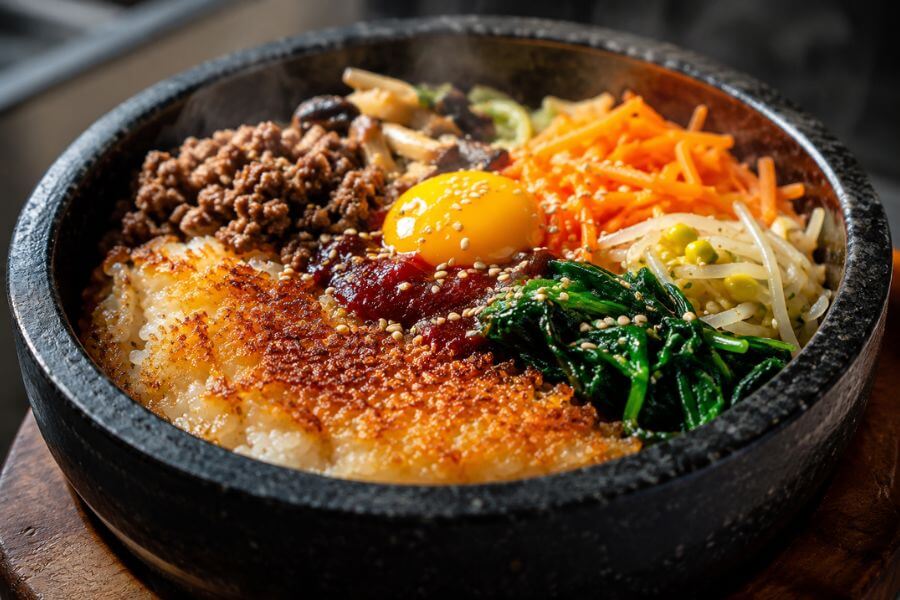
If you have ever enjoyed dolsot bibimbap at a Korean restaurant, you probably remember the unforgettable sound of rice crackling against a hot stone bowl. That crispy golden rice layer, known as nurungji, is one of the best parts of the dish. The secret behind that restaurant-quality experience is not only the ingredients but also the stone bowl itself.
An authentic Korean stone bowl, called a dolsot, retains heat for a long time and cooks the rice even after it leaves the stove. This creates the signature crunchy texture that makes dolsot bibimbap so popular around the world.
Whether you are new to Korean cooking or looking to upgrade your kitchen setup, choosing the right stone bowl can make a huge difference. In this guide, you will discover the most authentic Korean stone bowls that help you create sizzling, crispy, and delicious bibimbap at home.
Quick Summary Table 📋
| Rank | Stone Bowl | Best For | Heat Retention | Authenticity |
|---|---|---|---|---|
| 1 | Traditional Korean Granite Dolsot | Overall performance | Excellent | Very High |
| 2 | Handmade Jeonju Style Dolsot | Traditional bibimbap lovers | Excellent | Very High |
| 3 | Premium Black Stone Korean Bowl | Home cooks | Excellent | High |
| 4 | Restaurant Grade Korean Dolsot | Heavy use | Excellent | High |
| 5 | Volcanic Stone Dolsot Bowl | Crispy rice creation | Excellent | High |
| 6 | Medium Traditional Soapstone Bowl | Small households | Very Good | High |
| 7 | Thick-Wall Korean Stone Pot | Long serving times | Excellent | High |
| 8 | Korean Stone Bowl with Wooden Base | Safety and convenience | Very Good | Medium-High |
| 9 | Compact Personal Dolsot | Single servings | Good | High |
| 10 | Large Family Size Dolsot | Sharing meals | Excellent | High |
How We Ranked These Stone Bowls ⭐
When selecting the best authentic Korean stone bowls, we focused on the factors that matter most for making perfect dolsot bibimbap:
- Heat retention capability
- Ability to create crispy rice crust
- Authentic Korean design and construction
- Durability and resistance to cracking
- Ease of handling and maintenance
- Size options for different households
- Restaurant-style cooking performance
- Overall value for money
- Compatibility with various heat sources
- Customer satisfaction and long-term reliability
1. Traditional Korean Granite Dolsot 🥇
The traditional Korean granite dolsot remains the gold standard for authentic bibimbap preparation. Made from natural granite stone, these bowls are commonly used throughout Korea in homes and restaurants.
What makes this bowl special is its exceptional ability to absorb and retain heat. Once heated properly, it stays hot long enough to continue cooking the rice and toppings while you eat. This creates the iconic crunchy rice layer at the bottom.
The thick stone construction distributes heat evenly across the bowl, reducing the chances of uneven cooking. If your goal is to recreate the authentic restaurant experience, this is often the closest option available.
Pros:
- Outstanding heat retention
- Authentic Korean craftsmanship
- Excellent crispy rice production
- Extremely durable
Cons:
- Heavier than other options
- Requires careful handling
2. Handmade Jeonju Style Dolsot 🍲
Jeonju is widely considered the birthplace of Korea’s most famous bibimbap. Stone bowls inspired by this region are designed specifically to maximize flavor and texture.
Handmade Jeonju-style bowls often feature thicker walls and carefully shaped interiors. These design details help maintain stable temperatures throughout cooking and serving.
You will notice that rice develops a beautiful golden crust while remaining fluffy on top. This balance is exactly what many Korean chefs aim for when preparing dolsot bibimbap.
These bowls also have a traditional appearance that brings an authentic Korean dining atmosphere to your table.
3. Premium Black Stone Korean Bowl 🔥
The premium black stone bowl is a favorite among home cooks because it combines traditional performance with a sleek appearance.
The dark stone absorbs heat efficiently and creates a dramatic presentation when serving bibimbap. The sizzling sound and rising steam make every meal feel special.
Many cooks appreciate how versatile these bowls are. Besides bibimbap, they can be used for soups, stews, rice dishes, and hot pot recipes.
The balance between performance and convenience makes this one of the most practical options for everyday use.
4. Restaurant Grade Korean Dolsot 🍜
Restaurant-grade stone bowls are built to withstand frequent heating and cooling cycles. They are designed for commercial kitchens where consistency matters.
These bowls tend to have thicker construction and stronger materials than many consumer-grade alternatives. As a result, they often deliver superior heat retention and durability.
If you regularly make Korean food and want professional-level results, investing in a restaurant-grade dolsot can be worthwhile.
The weight may be substantial, but the cooking performance often justifies it.
5. Volcanic Stone Dolsot Bowl 🌋
Volcanic stone bowls are known for their impressive thermal properties. The porous nature of volcanic stone helps distribute heat efficiently while maintaining high temperatures.
This feature makes them particularly effective at creating crispy rice. Many users find that the rice crust forms faster and more evenly compared to lighter stone bowls.
The natural texture and appearance also give these bowls a rustic charm that complements traditional Korean cuisine.
With proper care, volcanic stone bowls can provide years of reliable performance.
6. Medium Traditional Soapstone Bowl 🍳
Not everyone needs a large restaurant-sized dolsot. Medium soapstone bowls are ideal for individuals and small families who want authentic results without excessive weight.
Soapstone heats gradually and retains warmth very effectively. This allows food to remain hot throughout the meal.
Many first-time buyers appreciate the manageable size and easier handling. It provides much of the authentic dolsot experience while being less intimidating than larger granite models.
For everyday cooking, this option strikes an excellent balance between practicality and tradition.
7. Thick-Wall Korean Stone Pot ⏳
The defining feature of this style is its exceptionally thick walls. The additional thickness increases heat retention and allows food to stay hot for a remarkably long time.
This characteristic is especially useful when entertaining guests or serving multiple courses. Your bibimbap remains sizzling long after it reaches the table.
The slow cooling process also contributes to better crust development at the bottom of the bowl.
If maintaining temperature is your top priority, a thick-wall design deserves serious consideration.
8. Korean Stone Bowl with Wooden Base 🪵
Many authentic stone bowls are paired with wooden serving bases. While the bowl itself handles the cooking, the wooden base provides safety and convenience.
The base protects your dining table from heat damage and makes transporting the hot bowl much easier.
This combination is commonly seen in Korean restaurants because it balances functionality with attractive presentation.
For households with children or limited serving space, the added safety can be particularly valuable.
9. Compact Personal Dolsot 🍚
A compact personal dolsot is designed for single servings. Despite its smaller size, it still delivers the signature crispy rice texture that bibimbap lovers enjoy.
These bowls heat relatively quickly and require less storage space. They are perfect for apartments, small kitchens, and solo diners.
Because of their reduced weight, they are often easier to clean and handle than larger alternatives.
For many people, a personal-size bowl provides all the authenticity they need without taking up too much room.
10. Large Family Size Dolsot 👨👩👧👦
Large family-sized dolsots are ideal when preparing meals for multiple people. Their generous capacity allows you to serve larger portions while maintaining excellent heat retention.
These bowls are commonly used for shared Korean dishes and family-style dining experiences.
Although they require more storage space and careful handling, they create an impressive centerpiece for gatherings.
If Korean food is a regular part of your household menu, a larger dolsot can be a valuable addition to your kitchen.
Conclusion 🎯
A great Korean stone bowl can completely transform your homemade bibimbap experience. The right dolsot creates the sizzling presentation, crispy rice crust, and long-lasting heat that make this Korean dish so memorable.
If authenticity is your highest priority, a traditional granite dolsot or handmade Jeonju-style bowl is hard to beat. If convenience matters more, a medium soapstone bowl or compact personal dolsot may be the better choice.
No matter which option you choose, investing in an authentic Korean stone bowl brings you one step closer to creating restaurant-quality dolsot bibimbap right in your own kitchen.
Frequently Asked Questions ❓
Do Korean stone bowls need to be seasoned before first use?
Many authentic stone bowls benefit from an initial seasoning process. This usually involves soaking the bowl, gradually heating it, and cooking rice porridge inside. The process helps strengthen the bowl and improve cooking performance.
Why does my rice not become crispy in a stone bowl?
The bowl may not be hot enough before adding the rice. Proper preheating is essential. A small amount of sesame oil on the bottom can also help create a crispier rice crust.
Can I use a Korean stone bowl on an induction cooktop?
Some stone bowls work with induction when paired with compatible metal supports, but many traditional dolsots are designed primarily for gas or electric stoves. Always check the manufacturer’s recommendations.
How long does a quality dolsot typically last?
With proper care, a high-quality Korean stone bowl can last for many years. Avoid sudden temperature changes and handle the bowl carefully to prevent cracks.
Can I make dishes other than bibimbap in a dolsot?
Absolutely. Korean stone bowls are excellent for soups, stews, tofu dishes, rice recipes, and many other hot meals. Their superior heat retention makes them one of the most versatile pieces of Korean cookware.