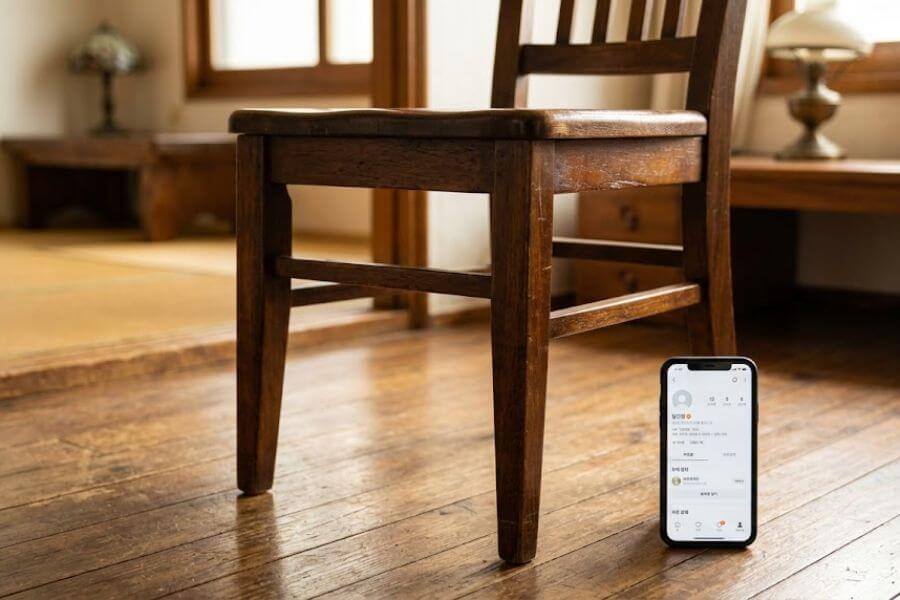
Moving to a new apartment in South Korea brings a lot of excitement, but empty rooms can quickly make you feel overwhelmed. Buying brand-new beds, desks, and kitchen appliances drains your wallet faster than a weekend trip to Jeju Island. Fortunately, local residents have a secret weapon that keeps their homes beautiful and their savings accounts intact. You can furnish your entire space by opening the Karrot app, known locally as Danggeun Market. This neighborhood-focused platform connects you directly with people living just down the street who want to sell great items at low prices.
Understanding how to navigate this digital marketplace transforms your shopping experience in Korea. It allows you to find excellent household treasures, talk to sellers without stress, and bring your purchases home safely. This comprehensive guide walks you through every single step of the process so you can master the local trading culture.
Demystifying the Karrot Phenomenon in South Korea
Before tapping your screen, you need to understand why this platform dominates Korean daily life. The name Danggeun translates to “the market near you,” and locals shortened it so much that the company embraced the name fully. The platform relies strictly on location services, meaning you only see items from people within a small radius of your home. This localized system builds a level of trust that regular national online marketplaces lack.
The Power of Localized Swapping
When you browse listings, you are looking at items located in your actual neighborhood. This structure cuts out the need for expensive shipping boxes or postal service delays. It also creates a unique cultural experience where you meet your neighbors outside subway stations or apartment convenience stores to trade goods.
Community Care Through Free Offerings
A beloved feature on the platform is called nanum, which means free sharing. People frequently list sturdy wooden chairs, working blenders, or useful storage bins for zero dollars because they simply want to clear space. Participating in this system helps reduce waste throughout Korea and gives you a chance to pick up essentials without spending a single won. It is common polite behavior to give a small carton of juice or a piece of fruit to a neighbor who gives you something for free.
Setting Up Your Account for Success
Getting the application running requires a few specific steps because South Korea has strict rules regarding digital security and identity verification. You cannot just sign up with a random email address and start messaging people.
Initial App Download and Installation
Your journey begins in the app store on your mobile phone. Search for Karrot or Danggeun, install the application, and open it. The software automatically detects your phone language system, so if your device is set to American English, the main interface will display in English. However, the actual text written inside the individual product descriptions will remain in Korean since your neighbors write them.
Conquering the Phone Verification Gate
To create a profile, you must verify your identity using a local phone number. This is where many international residents encounter a hurdle. The name on your mobile phone contract must match the name on your Alien Registration Card or Residence Card exactly down to the spacing and capitalization. If your contract uses your last name first, type it into the verification box in that precise order. Once the text message code arrives, type it in to unlock the platform.
Verifying Your Real Neighborhood
Because the platform values safety, you must confirm your physical location using your phone GPS. You can register up to two neighborhoods at the same time. This is perfect if you want to look for furniture near your apartment and also near your workplace or university campus. The app will require you to re-verify your location every few weeks to prove you still frequent those areas.
Mastering the Search Filter System
Finding a perfect kitchen table or a sleek clothing rack requires a smart approach to searching. If you only type in English words, you will miss out on most of the best household treasures because local sellers list their items using Korean terms.
Key Vocabulary for Furniture Hunters
To unearth the hidden gems, you should copy and paste specific Korean words into your search bar. This practice broadens your options instantly.
- Gagu: Furniture
- Uija: Chair
- Chaeksang: Desk
- Sofa: Couch or sofa
- Simdae: Bed
- Seonban: Shelf
- Seorapjang: Chest of drawers
- Geoul: Mirror
- Jeonja-renji: Microwave
Decoding the True Condition of Items
Sellers use predictable phrases to describe how old or worn their household goods are. Reading these descriptions carefully prevents you from buying a broken item.
- Migabong: Brand-new and unopened in the original box.
- Sae-guk: Like new, meaning it has barely any signs of wear.
- Sayeong-gam: Shows visible signs of regular daily use.
- Na-num: Completely free item.
Setting Tailored Keyword Alerts
If you are hunting for a very specific item, like an Ikea desk or a compact mini-fridge, you do not need to refresh the application every ten minutes. You can set up a specific keyword alert. The platform will send a notification to your phone the exact second a neighbor lists an item matching your keyword, giving you a chance to message the seller first.
Evaluating Product Listings and Seller Profiles
Not every listing is a stellar deal, so you must train your eyes to spot the absolute best options while protecting yourself from low quality goods.
The Magic of the Manner Temperature
Every profile features a metric called the Manner Temperature. Every single user starts out at thirty-six and a half degrees Celsius, which matches the normal human body temperature. When a person receives positive reviews, kind compliments, and completes smooth transactions, their temperature rises. If they are rude, cancel meetings late, or sell broken goods, their temperature drops.
Evaluating the Temperature Score
| Temperature Range | Reliability Status | Action Recommendation |
| Below 36.5 Celsius | Low Reliability | Proceed with caution and look for red flags. |
| 36.5 to 40 Celsius | Standard User | Perfectly fine for normal daily transactions. |
| 40 to 50 Celsius | Highly Active | Very safe and reliable neighbor to buy from. |
| Above 50 Celsius | Elite Trader | Exceptional seller who answers quickly and takes care of goods. |
Inspecting Product Pictures
Local sellers usually take multiple clear pictures of their furniture from different angles. Look closely at the corners of desks, the cushions of chairs, and the inside of microwaves. If a listing only has one blurry picture or uses a corporate stock image from a shopping website, send a polite message asking for real, live photos before making any commitments.
Chatting and Negotiating Ethically
Once you find a beautiful wardrobe or a sturdy dining table, you must message the seller. Since you are communicating with real people who live nearby, keeping your language polite and respectful ensures a successful interaction.
Starting the Conversation
Open the chat function on the listing and send a warm greeting. It is best to use formal Korean honorifics, which display respect for the other person. You can easily use digital translation programs to write these messages. Let the seller know early that you are using a translation tool so they understand if your phrasing sounds slightly unusual.
Useful Chat Phrases to Remember
- Annyeonghaseyo! Gumaega-neunghan-gayo: Hello! Is this item still available for purchase?
- Gok-ja-bunho-gorae annae-juteyo: Please let me know your bank account number.
- Jik-georae wonhamnida: I would prefer a face-to-face transaction.
- Hoksi gagyeok jeonjuri ganeunghan-gayo: Is a slight price discount possible?
The Art of the Polite Discount Request
Many listings feature a small tag indicating that the price is negotiable. If you want to ask for a lower price, do it before you agree on a meeting time. Suggest a reasonable number, usually within ten to fifteen percent of the original price. Never show up to a face-to-face meeting and suddenly demand a discount because that breaks local etiquette rules and results in a negative profile review.
Finalizing the Payment and Meeting Details
When both parties agree on a price, you need to establish exactly how the swap will take place and how the money will move from your hands to theirs.
Choosing Your Transaction Style
There are two main ways to exchange items on this app, and each has its own benefits depending on the size of the item you buy.
- Jik-georae: This is a standard face-to-face transaction. You meet the seller at a specific time and physical location to inspect the item and finish the trade.
- Mun-gori Gorae: This translates directly to a door-handle transaction. It is highly popular for smaller household items. The buyer transfers the money electronically, and the seller leaves the item hanging on their apartment door handle or outside their building gate. You walk over, pick it up, and go home without ever interacting face to face.
Settling the Bill Safely
While carrying paper cash is perfectly acceptable, the vast majority of people in South Korea prefer digital bank transfers. You can use your local Korean banking app to send the funds directly to the seller account during the exchange. Alternatively, you can use the built-in Karrot Pay feature if you have a local bank connected to the platform. Always ensure you see the item or verify its location before hitting the final transfer button.
Solving the Big Logistics Puzzle
Buying a small toaster is simple because you can toss it into a backpack. Buying a full-size wooden dresser, a heavy sofa, or a queen-size bed frame requires serious transportation planning.
Utilizing Local Delivery Services
If you do not own a vehicle, you have multiple options for getting large furniture pieces across town.
- Dasan Call Center Assistance: You can dial one-two-zero on your phone to reach a free government translation and information service. The operators can assist you in booking a local moving truck or a small delivery vehicle.
- Yongdal Trucks: These are small, blue open-bed pickup trucks that move furniture all across Korean cities. You can find independent yongdal drivers through online search portals or ask the seller if they know a regular local driver.
- App-Based Moving Services: Several local moving applications allow you to enter your pickup point and destination to receive an instant price quote for a small truck.
Managing the Heavy Lifting
When you hire a basic yongdal truck, the driver generally expects the furniture to be waiting on the street curb. If you need help carrying a massive wardrobe down three flights of stairs, you must communicate this clearly during the booking process. Expect to pay an extra fee for manual labor, especially if your building lacks a spacious elevator.
Discarding Old Items and Managing Waste
Furnishing a home sometimes means you need to throw away an old, broken item to make room for your new purchase. South Korea has strict recycling and large-scale waste laws that you must follow to avoid receiving heavy municipal fines.
Navigating the Sticker System for Large Waste
You cannot simply drag a broken mattress or a shattered desk out to the regular neighborhood trash bins. Large items require a special waste disposal sticker.
- Visit the Resident Center: Walk into your local community center, describe the item you want to discard, pay a small fee, and pick up a physical adhesive sticker.
- Online Registration: Visit your local district office website, fill out the waste form, pay online, and print the confirmation document at home.
- Placement: Stick the document securely onto the furniture item and place it in the designated trash area outside your building on the correct collection day.
Frequently Asked Questions
Can I use the app if I do not speak any Korean?
Yes, you can absolutely navigate the platform without knowing the local language. The primary app settings and buttons operate in English if your phone uses American English settings. For reading descriptions and chatting with sellers, you can copy the text into digital translation software. Many sellers are also happy to communicate using simple English phrases if you ask them politely.
What should I do if a furniture piece turns out to be broken after I take it home?
Because this is a neighborhood secondhand marketplace, items are sold as-is, and there are no official return policies. To protect yourself, always inspect the item thoroughly during the face-to-face exchange before you transfer any money. If you participate in a door-handle transaction, request a quick smartphone video of the appliance working before walking over to pick it up.
Is it safe to go to a stranger apartment to pick up heavy household goods?
South Korea ranks as one of the safest countries globally, and neighborhood trading reflects that environment. It is standard practice to pick up large furniture pieces directly from a seller apartment lobby, hallway, or front door. If you ever feel nervous, bring a friend along with you or schedule the pickup during daylight hours when building managers are active.
How do I know if the price of a used couch or desk is actually fair?
The best strategy is to spend a few days observing the market before making a purchase. Type the name of the specific item or brand into the search bar and look at expired or older listings. This allows you to see the average price your neighbors usually pay for similar household goods, ensuring you do not overpay.
Can I use a foreign credit card to pay a seller on the platform?
No, you cannot use an international credit card for these transactions. The platform relies on local bank transfers, paper cash, or the internal Karrot Pay system linked directly to a domestic Korean bank account. If you do not possess a local bank account yet, carrying exact paper cash to your face-to-face meeting is your best option.
What happens if I miss a scheduled meeting with a seller?
Punctuality is incredibly important in Korean culture. If you realize you are running late or an emergency forces you to reschedule, message the seller immediately with a polite apology. Missing a meeting without warning causes the seller to report your account, which drops your Manner Temperature and makes it difficult for other neighbors to trust you.
Can I change my registered neighborhood if I move to a new city in Korea?
Yes, updating your location is simple. When you unpack at your new apartment, open your profile settings, select the neighborhood management tab, and delete your old address. Use your phone GPS to verify your brand-new surroundings, and the app will instantly update your feed to show furniture listings from your new neighbors.