Key Takeaways
You can unlock the full magic of Jeju Island by focusing on a few core principles. Driving a rental vehicle gives you the ultimate freedom to escape the crowded tour buses and discover the true spirit of this volcanic paradise. A balanced four-day trip allows you to explore the distinct flavors of the west, south, east, and central regions without feeling rushed. By stepping off the main tourist paths into hidden forests and quiet shores, you get to experience the calm soul of the island that most travelers miss completely.
Introduction to the Island of the Gods
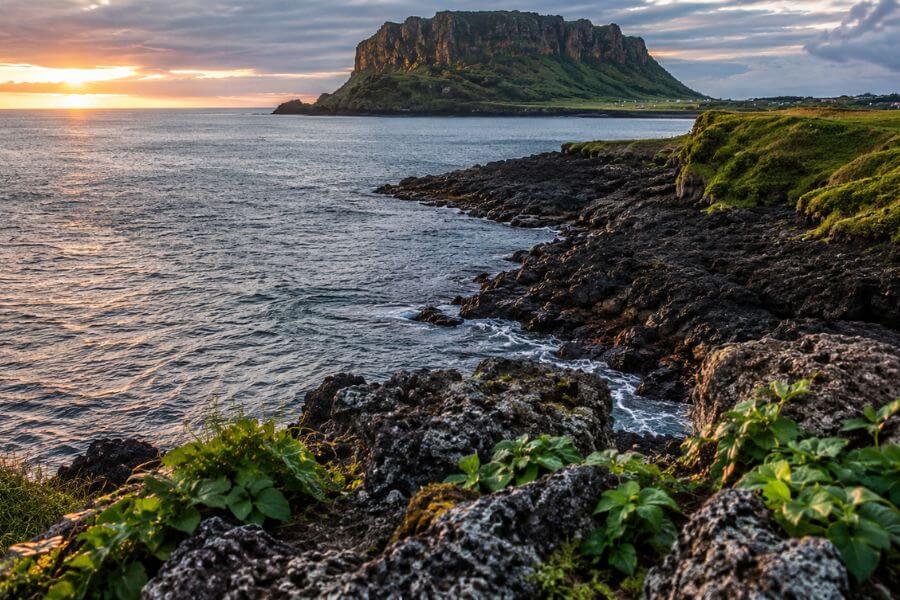
You are about to step into a world where dark volcanic rock meets the brilliant blue of the Pacific Ocean. Jeju Island sits just off the southern coast of South Korea, yet it feels a universe away from the flashing neon lights and crowded subway stations of Seoul. Often called the Island of the Gods, this unique place draws people in with its promise of clean air, dramatic cliffs, deep green forests, and a slower pace of life that heals your mind the moment you arrive.
When you first view the island from the window of an airplane, you will notice a giant mountain rising right out of the center. This is Hallasan, a dormant volcano that shaped every inch of the land around it. Millions of years ago, hot lava flowed down these slopes, cooling into strange rock shapes, deep caves, and fertile soil where bright orange tangerines grow today. The island has its own distinct culture, its own unique dialect, and a history deeply tied to the power of the ocean.
As you plan your journey, you must realize that this destination rewards those who take their time. You cannot treat it like a theme park where you run from one ride to the next. Instead, you need to feel the wind on your face at the edge of a cliff, listen to the waves crash against black stones, and wander through mist-covered forests. This comprehensive guide will show you how to navigate the island, structure your days perfectly, and find the secret corners that remain untouched by massive crowds.
Navigating the Roads: The Ultimate Jeju Car Rental Guide
Why Driving is the Best Option
You might wonder if you can get around using public buses or taxis. While the island does have a public transit system, relying on it will limit your journey significantly. Buses run less frequently once you leave the main city centers, and waiting at a rural stop under the hot sun can drain your energy. Taxis are available, but the costs will quickly add up if you travel across different regions.
Choosing to rent a vehicle gives you complete control over your schedule. You can wake up before dawn to catch the sunrise on an isolated beach, or you can stay out late into the night at a remote cafe without worrying about the last bus schedule. A personal vehicle acts as your mobile base camp, allowing you to store extra layers of clothing, rain gear, and snacks as you move between beaches and mountain trails. It transforms your trip from a rigid schedule into a spontaneous adventure.
Requirements for International Travelers
Before you can book a vehicle and get the keys, you must make sure you have the correct legal paperwork. South Korea is very strict about driving qualifications, and rental agencies will turn you away if you lack even one required document. You must sort these items out before you leave your home country, as you cannot obtain them after you land.
- International Driving Permit: You must obtain a physical International Driving Permit before your departure. This document must be the specific version approved by the Geneva Convention or Vienna Convention, depending on what your home nation issues. Digital copies or smartphone pictures are completely unacceptable.
- Your National Driver’s License: The permit does not replace your actual license. You must present your valid, unexpired driver’s license from your home country alongside the international permit.
- A Valid Passport: The name on your passport, your national license, and your international permit must match exactly down to the middle initial.
- A Credit Card: Most agencies require a major credit card under the driver’s name to hold a security deposit. Cash or debit cards are rarely accepted for this part of the process.
Choosing the Right Vehicle for Your Trip
The type of vehicle you select depends entirely on your group size and your travel goals. The roads across the island are generally in excellent condition, meaning you do not need a giant four-wheel-drive truck to handle the terrain. Compact options are highly popular because they fit into tight spots, while electric models offer a modern twist to island exploration.
Compact cars are perfect if you are traveling alone or as a couple. They use less fuel, and you will find them highly manageable when parking in tight coastal villages or busy market structures. If you are traveling with family or carrying bulky hiking gear for climbing the volcano, a mid-sized sedan or a compact SUV will give you the legroom and trunk capacity you need to stay comfortable during long drives.
Electric vehicles deserve special mention when discussing this specific travel destination. The local government has invested heavily in creating a green eco-island, which means you will find thousands of charging stations scattered across the landscape. You can find these plugs at major scenic viewpoints, hotel parking lots, and even small village community centers. Selecting an electric vehicle saves you a significant amount of money on fuel costs, and it allows you to glide silently through the peaceful countryside without producing exhaust.
Step-by-Step Guide to Picking Up Your Rental
The process of gathering your vehicle at the airport follows a specific rhythm that keeps the airport grounds clean and organized. You will not find the rental vehicles parked directly outside the main arrival doors. Instead, a dedicated transportation zone handles the movement of thousands of travelers every day.
First, after you gather your luggage from the carousel, you will walk out through the main exit gates of the arrival terminal. Look for the overhead signs that direct you toward the rental shuttle bus station. This station sits in a large parking zone just a short walk outside the building, connected by a covered walkway that protects you from rain or bright sun.
Second, you need to look at your booking confirmation to find your specific rental company name and their designated bus stop number. The shuttle buses run back and forth every fifteen to twenty minutes. When your bus arrives, show your confirmation to the driver, load your bags into the storage area, and take a seat for the short ride to the main rental facility located just outside the airport perimeter.
Third, once you arrive at the company headquarters, you will check in at the counter or use an automated touch screen kiosk. You will hand over your passport, national license, and international permit. The agent will print out your contract, explain the insurance coverage options, and give you your keys along with a parking spot number where your vehicle is waiting.
Fourth, before you drive away, you must do a thorough inspection of the vehicle. Use your smartphone to take a continuous video of the entire exterior, focusing closely on the lower bumpers, the wheels, and any existing scratches or dents. Turn on the vehicle to verify the fuel level or battery charge level, and make sure the navigation system functions properly before you exit the gates.
Essential Rules of the Road in South Korea
Driving in a foreign country can feel intimidating, but the traffic patterns here follow predictable patterns. As long as you remain alert and understand a few unique local habits, you will adapt to the environment within your first hour on the road.
- Drive on the Right Side: Traffic moves on the right side of the road, and steering wheels sit on the left side of the vehicle, identical to the system used in North America and continental Europe.
- The Right Turn on Red: You are generally allowed to turn right at a red traffic light after coming to a complete stop, provided no pedestrians are crossing and no oncoming traffic is approaching. However, look out for specific arrows that explicitly forbid this movement at major intersections.
- Speed Cameras Everywhere: The island uses an automated system to control traffic speeds. You will encounter fixed cameras mounted on overhead metal poles, as well as section-enforcement zones that calculate your average speed between two points miles apart. Your rental vehicle will feature a navigation unit that plays a loud warning sound whenever you approach a camera, telling you exactly when to slow down.
- Speed Bumps in Villages: When you enter residential areas or coastal towns, you will encounter large, brightly painted speed bumps. Some of these are structural humps, while others are simply painted lines designed to catch your attention. Slow down significantly to avoid damaging the bottom of your rental vehicle.
- The Hazard Light Thank You: If someone lets you merge into a tight lane or gives you space to turn, it is customary to flash your hazard lights three or four times as a polite way of saying thank you.
Comparison of Transportation Methods
To help you see the differences clearly, this table outlines how the three main choices compare across different factors.
| Feature | Car Rental | Public Bus | Taxi Services |
| Schedule Control | Complete freedom | Strict timetables | Dependent on availability |
| Access to Remote Areas | High access | Low access | Medium access |
| Daily Expense | Moderate flat rate | Very low cost | High cost per trip |
| Navigation Stress | Requires focus | No driving required | Completely stress-free |
| Luggage Storage | Stays in your trunk | Must carry with you | Limited to trunk space |
| Language Barriers | Minimal at pickup | Can be challenging | Can be challenging |
The Perfect Four-Day Jeju Island Itinerary
Day One: The Dramatic Western Coastline
Morning: Coastal Winds and White Sands
Your first full day starts with a drive toward the western edge of the island, a region defined by wide beaches, turquoise water, and giant wind turbines spinning gracefully over the ocean. Your first destination is Hyeopjae Beach, famous for its shallow water and the clear view of Biyangdo Island sitting just offshore.
As you step onto the sand, you will notice how bright white it looks, contrasted against the black chunks of basalt rock that frame the shore. The water here stays shallow for a long distance, making it a peaceful place to wade into the gentle waves. Spend an hour walking along the edge of the water, collecting small shells, and taking photos of the island silhouette across the channel.
Just a short walk from the sand lies Geumneung Beach, which feels like a natural continuation of Hyeopjae but offers a slightly quieter atmosphere. Palm trees line the edge of the sand, giving this corner a tropical feel that makes you forget you are in South Korea. Grab a cold drink from a local shop and sit on the stone wall to watch the morning tide shift across the sandbanks.
Afternoon: Volcanic Craters and Green Tea Fields
After enjoying the morning sea breeze, drive inland toward Geumoreum, a striking volcanic cone that offers panoramic views of the western plains. The trail leading to the top climbs through a dense pine forest, requiring a steady fifteen-minute walk up a paved path. Your effort rewards you with a view into a deep, grassy crater that occasionally holds a mysterious rain-fed lake at the bottom. Walk along the circular rim of the crater to feel the full force of the wind and view the checkerboard pattern of agricultural fields stretching toward the coast.
Next, shift your direction toward the Osulloc Green Tea Fields. This massive plantation features rows of perfectly manicured tea bushes that curve across the rolling hills like green waves. Walk down the narrow paths between the rows to smell the fresh, earthy scent of the leaves.
Inside the main pavilion, you can learn about the traditional methods used to harvest and prepare tea on this volcanic soil. Do not leave without visiting the cafe, where you can sample rich green tea ice cream, soft roll cakes, and warm lattes made with milk from local stone-wall farms.
Evening: The Ultimate Sunset View
Conclude your first day by driving to Suwolbong Peak, a coastal hill recognized as a global geopark due to its stunning rock layers. The cliff face shows visible lines created by ancient volcanic explosions, where layers of ash and stone built up over thousands of years.
A small pavilion sits at the very top of the peak, providing an unobstructed view of the sun dropping below the horizon. As daylight fades, the sky transforms into shades of deep orange, pink, and purple, casting a warm glow over the ocean and the small fishing boats returning to port.
Day Two: The Wild Southern Wonders and Waterfalls
Morning: Dramatic Cliffs and Hexagonal Columns
On your second day, you will explore the rugged southern coast near Seogwipo, the second-largest city on the island. Start your morning at the Daepo Jusangjeolli Cliffs, where nature has carved something that looks almost architectural.
When hot lava from Hallasan cooled rapidly as it hit the cold ocean water, it shrank and cracked into perfect hexagonal columns. These stone pillars stand packed together like a giant honeycomb along the shoreline.
Walk out onto the wooden observation decks to look down at the dark columns. Watch the powerful southern waves smash against the stone structures, sending white foam high into the air. The contrast between the dark grey rock, the deep blue sea, and the bright green pine trees growing at the cliff edge creates an unforgettable visual memory.
Afternoon: Waterfalls Falling into the Sea
Head into the heart of Seogwipo to view Jeongbang Waterfall, a rare natural wonder. This is one of the very few waterfalls in all of Asia that drops its water directly into the ocean.
You will walk down a series of stone steps through a grove of cedar trees until you reach the rocky beach below. The sound of roaring water grows louder with every step you take.
Once you reach the bottom, you can walk right across the large boulders to stand in the cool mist generated by the falling water. The column of water drops from a height of seventy-five feet, crashing into a dark pool before flowing immediately into the salty sea waves. Take off your shoes to feel the cold mountain water swirling around your ankles before it mixes with the ocean.
Evening: Traditional Markets and Culture
Spend your evening wandering through the bustling aisles of the Seogwipo Seogwi-central Traditional Market. This indoor market structure acts as the beating heart of the local food scene, packed with stalls selling fresh produce, clothing, and hot snacks. The air smells of grilled meat, sweet citrus, and toasted sesame oil.
Walk down the central food aisle to watch vendors prepare local delicacies right in front of your eyes. You can try skewered pork, fried seafood cakes, and sweet rice pastries shaped like miniature octopuses. The market is also the best place to purchase boxes of fresh tangerines or sweet citrus chocolates to take home as gifts for your friends.
Day Three: The Majestic Sunrise in the East
Morning: Climbing the Fortress of the Sun
Your third day requires an early start, but the experience justifies the lost sleep. Drive to the eastern tip of the island to visit Seongsan Ilchulbong, also known as Sunrise Peak.
This giant tuff cone rose from the ocean bed during a volcanic eruption thousands of years ago, forming a massive bowl shape surrounded by sharp stone peaks that look like a giant crown.
The climb to the top follows a well-maintained wooden staircase that ascends steeply up the side of the crater. The walk takes about twenty-five minutes, and you will want to pace yourself as you climb past unusual rock formations.
When you reach the viewing platform at the summit, sit down and wait for the sun to break through the horizon line. Watching the sky change from dark blue to brilliant gold while looking down at the massive green crater bowl is a profound experience that stays with you forever.
Afternoon: An Island Within an Island
After descending from Sunrise Peak, drive a few minutes north to the Seongsan Harbor terminal and board the ferry to Udo Island. The boat ride takes just fifteen minutes, crossing a narrow channel to land on a smaller island that feels like a window into the past. You can leave your rental vehicle at the harbor parking lot and explore Udo by renting a small electric cart or a bicycle at the main pier.
Udo Island features a slow, quiet lifestyle where small stone houses sit surrounded by stone walls to protect them from winter winds. Drive your cart along the narrow coastal loop road, stopping at Sanho Beach, which features unique white popcorn-like coral sand.
For lunch, seek out a local restaurant serving bowls of cold noodles topped with fresh sea snails, followed by a dish of Udo’s famous peanut ice cream, which uses sweet, crunchy peanuts grown right in the island’s sandy soil.
Evening: Long Shorelines and Volcanic Sand
Return to the main island on the afternoon ferry and make your way to Gwangchigi Beach. This beach offers a completely different landscape compared to the white sands of the west. Here, the beach consists of dark volcanic sand mixed with small pebbles, and the real magic appears when the tide goes out.
As the water recedes, it reveals a vast floor of flat volcanic rock covered in green algae. This green rocky plain stretches out toward Sunrise Peak, creating a mirror-like surface that reflects the evening sky. Walk along these slippery green rocks, looking into the small tide pools to find tiny crabs and sea anemones hiding in the crevices.
Day Four: The Volcanic Center and Healing Forests
Morning: Walking into the Earth
On your final day, turn your vehicle inland toward the central highlands to explore the subterranean world of the island. Manjanggul Cave is one of the finest lava tunnels in the world, formed when subterranean lava streams cooled on the outside while the hot liquid interior kept flowing out, leaving a giant empty tube behind.
The section open to the public stretches for about two-thirds of a mile, maintaining a cool, crisp temperature of around fifty-five degrees Fahrenheit all year round, so you will need to bring a light jacket.
Walk along the dimly lit pathway, marveling at the natural stone shelves carved into the walls by the flowing lava lanes. The trail ends at a massive underground chamber containing a twenty-three-foot-tall stone column made of frozen lava, which stands as the largest known structure of its kind on earth.
Afternoon: A Walk Through Ancient Woods
After emerging from the underground world, drive to the Bijarim Forest, a peaceful sanctuary containing thousands of ancient nutmeg trees. Some of these trees have been growing in this volcanic soil for more than eight hundred years, making this one of the largest single-species forests in the world.
The walking paths through the woods consist of crushed red volcanic stone, which feels soft beneath your shoes and releases a pleasant earthy sound with every step. The thick canopy of green leaves blocks out the hot sun, creating a cool, shaded environment filled with the scent of pine and wild herbs. Look out for the famous grandfather tree, a massive specimen that requires several people holding hands to circle its giant trunk.
Evening: Creative Village Exploration
Conclude your four-day journey by exploring the artistic neighborhood of Jocheon or the coastal roads of Gujwa. This northeastern region has become a haven for young artists, writers, and chefs who have opened small independent bookstores, ceramic workshops, and cozy cafes in renovated stone farmhouses.
Park your vehicle near a quiet harbor and wander down the narrow alleys on foot. Look for a cafe with a window facing the ocean, order a hot cup of coffee or a warm citrus tea, and spend your final evening reflecting on your journey while watching the twilight settle over the sea.
Unveiling Jeju’s Best Kept Secret Spots
The Hidden Green Oasis
While thousands of tourists flock to the famous parks, a hidden valley known as Andeok Valley remains blissfully quiet. Located in the southwestern part of the island, this deep stone gorge feels like a prehistoric world hidden away from modern civilization.
As you walk along the wooden pathway that snakes through the bottom of the valley, you are surrounded by vertical stone cliffs covered in rare ferns, moss, and creeping vines. A clear mountain stream flows over smooth grey boulders, creating a soothing soundtrack that drowns out all external noise. Local legends state that scholars of old would come to this specific valley to isolate themselves and focus on their writing because the air feels charged with creative peace.
A Quiet Beach Away from the Crowds
Most travelers focus on the large beaches near the major resort complexes, but if you drive down a series of narrow farm roads in the east, you will discover Hado Beach. This crescent-shaped bay is shallow and protected from the rough open ocean waves, making it a haven for migratory birds and local sea life.
You will rarely find tour buses here. Instead, you might see a few local residents walking their dogs or collecting small clams along the shore during low tide. The beach faces a small island with a white lighthouse, offering a picturesque view that looks beautiful during the early afternoon hours when the sun illuminates the shallow sandbanks beneath the water.
The Secret Volcanic Trail
Everyone knows about climbing the main peaks, but Abu Oreum offers an incredible volcanic experience without the crowds. This low, circular hill sits in the middle of eastern cow pastures.
The path to the top is short but steep, cutting through a grassy field where local cattle graze freely. Once you reach the lip of the ridge, you will look down into a perfectly round crater bowl lined with a ring of tall cedar trees. The trees were planted decades ago in a giant circle, creating a natural amphitheater that looks completely surreal from above. You can walk the entire circumference of the ridge in about twenty minutes, enjoying views of distant volcanic cones rising from the misty plains.
A Mystical Forest Path
For an experience that feels completely separated from the coastal tourist towns, drive into the highlands along the southern slopes of the mountain to find the Saryoni Forest Path. While the main entrance can attract weekend walkers, the deeper sections of this trail offer true isolation.
The trail winds through dense stands of cedar and cypress trees that stretch straight up into the sky like telephone poles. On misty mornings, the fog rolls through these trees, creating an ethereal landscape where shapes blur and sounds become muffled. The ground is covered in dark green ferns and wild hydrangeas that bloom in shades of blue and purple during the early summer months.
Culinary Adventures: What to Eat on the Island
To understand how the local food culture differs from the mainland, look at this quick overview of traditional island dishes.
| Dish Name | Primary Ingredient | Flavor Profile | Best Setting |
| Black Pork BBQ | Local heritage pork | Rich, smoky, savory | Evening charcoal restaurant |
| Abalone Porridge | Fresh sea snails, rice | Earthy, nutty, comforting | Morning coastal cafe |
| Hairtail Fish Soup | Long silver fish, squash | Spicy, clean, ocean-fresh | Midday village diner |
| Gogi Guksu | Thick noodles, pork broth | Creamy, hearty, filling | Simple market stall |
The Famous Black Pork Experience
You cannot visit this island without sitting down for a traditional charcoal barbecue featuring local black pork. This specific breed of pig has a long history on the island, evolving to survive the harsh coastal environment. The meat features a higher concentration of marbled fat compared to standard pork, resulting in a deep flavor and a juicy texture when grilled over hot coals.
When you enter a traditional barbecue restaurant, the staff will bring out thick cuts of pork belly and neck meat. They will place a small metal cup of fermented anchovy sauce directly on the grill grates next to the meat. As the pork cooks and crisps, the sauce boils and thickens. You dip the cooked meat into this hot, salty fish sauce, wrap it in a fresh sesame leaf with a slice of grilled garlic, and enjoy a combination of rich, smoky flavors.
Fresh Seafood from the Sea Women
The culinary identity of the island is deeply tied to the Haenyeo, the famous community of female divers who harvest seafood from the ocean floor without using any breathing equipment. These women, many of whom are well into their seventies and eighties, dive deep into the cold currents holding their breath for minutes at a time to gather sea urchins, abalone, octopuses, and sea snails.
You can find small rustic stone shelters along the rocky shorelines where these divers sell their daily catch directly to travelers. They will slice fresh sea snails or raw octopus onto a plastic plate, serving it alongside a spicy chili dipping sauce. If you prefer cooked food, look for a village restaurant that serves Jeonbok-juk, a warm rice porridge cooked with the nutrient-rich green intestines of the abalone, giving the dish a beautiful olive color and a deep, nutty flavor that comforts your stomach.
Sweet Treats and Citrus Delights
The volcanic soil and warm southern climate provide the perfect environment for growing citrus fruits. For decades, the local tangerine industry sustained the island economy, and today you can find dozens of unique citrus varieties growing in fields across the lowlands. The most famous variety is the Hallabong, a sweet, thick-skinned fruit with a distinct bump near its stem that resembles the shape of the central mountain peak.
Throughout your drives, you will pass roadside stands with baskets of bright orange fruits. Stop to buy a bag of fresh fruit, or visit a local bakery to try pastries filled with sweet citrus cream. Many modern cafes also serve refreshing drinks made by mixing fresh citrus juice with sparkling water and wild mint, providing the perfect icy treat to cool you down after a long afternoon of exploring volcanic trails.
Frequently Asked Questions
What is the best time of year to visit the island?
The island offers distinct experiences during each season, but spring and autumn provide the most comfortable conditions for exploration. From April to June, the landscape explodes with color as bright yellow canola flowers and soft pink cherry blossoms cover the fields. The weather stays mild, making it an excellent time for hiking and coastal drives. Autumn, running from September to November, brings crisp air, clear blue skies, and hills covered in golden silver grass, creating a beautiful backdrop for outdoor photography.
Do I need to speak Korean to get around successfully?
While knowing a few basic Korean phrases is always polite and appreciated, you can navigate the island without fluent language skills. Most rental vehicles come equipped with advanced navigation systems that operate in English, allowing you to input destinations using digital phone numbers or simple names. Major tourist spots, restaurants, and hotels feature signage in multiple languages, and smartphone translation apps can quickly bridge the gap when communicating with local merchants at traditional markets.
How do I handle toll roads and parking fees while driving?
The island features an excellent road network that is mostly free of tolls, unlike the highway system on the mainland. When it comes to parking, major natural attractions like waterfalls and volcanic peaks charge a very small fee, which you can pay using a standard international credit card at the entry gates. In smaller villages and hidden coastal spots, you will find plenty of free public parking lots marked with white paint lines on the pavement.
Is it safe to swim at the beaches throughout the year?
The beaches are beautiful to look at year-round, but designated swimming seasons with active lifeguard supervision run from late June through late August. During these summer months, zones are clearly marked with buoys to keep swimmers safe from strong offshore currents. If you visit outside this summer window, you can still wade into the shallow water at beaches like Hyeopjae, but you should avoid swimming deep into the ocean as waves can change quickly.
What should I pack for a four-day trip around the island?
Because the weather can shift rapidly due to the mountain currents and ocean winds, layering your clothing is the best strategy. Pack comfortable walking shoes with good grip for exploring rocky trails and uneven volcanic caves. Bring a lightweight windproof jacket, a small umbrella, and a hat to protect yourself from sudden rain showers or bright coastal sun. Do not forget to bring swimwear if you visit during the summer, along with a reusable water bottle to stay hydrated during your outdoor excursions.