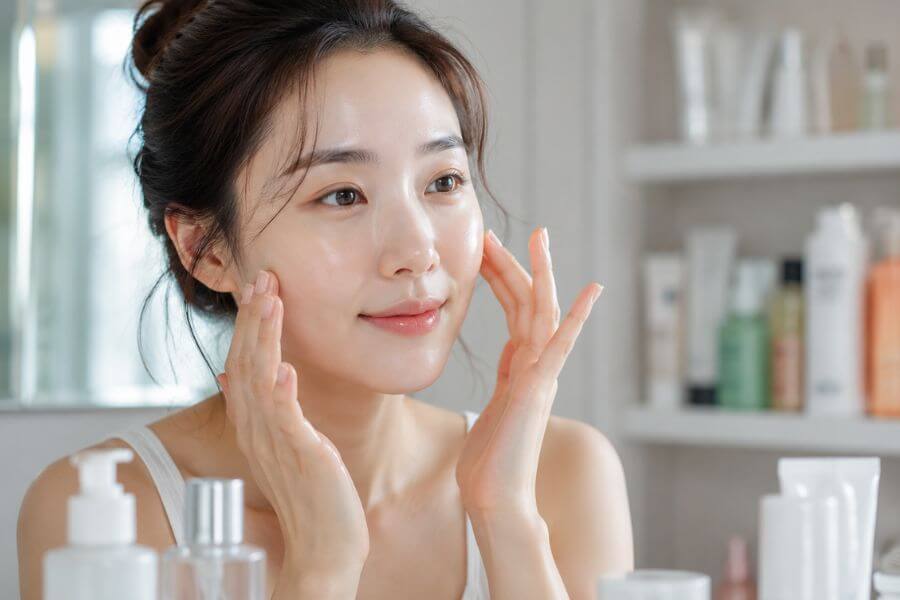
Welcome to the ultimate transformation of your daily self-care rituals. If you have ever looked at the radiant, glass-like skin popular in Korean beauty trends and wondered how to achieve that glowing look yourself, you are in the right place. This regimen is not just about stacking products on your face; it is a dedicated philosophy centered on deep hydration, skin barrier protection, and long-term cellular health.
By prioritizing prevention over camouflage, this method helps you cultivate a healthy complexion from the inside out. Let us demystify the multi-step process together and build a ritual that respects your skin type while delivering stunning results.
Key Takeaways for Your K-Beauty Journey
Before diving into each specific step, let us establish the foundational principles that make this skincare philosophy so effective for your daily routine.
- Hydration is the Core Foundation: Layering lightweight, watery products builds deep moisture levels without clogging your pores.
- Consistency Beats Quick Fixes: True radiance comes from performing your daytime and nighttime routines with patience every single day.
- Gentle Care Always Wins: Treat your skin like delicate silk. Avoid harsh scrubbing, strong pulling, or over-stripping your natural moisture barrier.
- Customization is Mandatory: You do not have to use all ten steps every single day; listen to your skin and adjust based on its current needs.
- Prevention Over Camouflage: The entire philosophy focuses on stopping issues like breakouts, dark spots, and dehydration before they surface.
Understanding the K-Beauty Philosophy
To truly appreciate this multi-step method, it helps to understand why it was created. Traditional Western skincare often focuses on aggressive treatments to fix existing problems, like using strong drying agents to eliminate acne or intense acids to peel away imperfections. In contrast, Korean beauty focuses on nurturing the skin ecosystem.
Think of your skin barrier as a protective shield. When it is healthy, it keeps moisture locked inside and blocks environmental pollutants, bacteria, and irritants out. The K-Beauty approach uses multiple layers of gentle ingredients to fortify this shield. This prevents inflammation, which is the root cause of premature aging, breakouts, and dullness.
Step 1: The Oil-Based Cleanser
Your journey toward clear skin begins with the first half of the famous double-cleansing method. This step focuses on removing oil-based impurities that sit on top of your skin throughout the day.
Why Oil Cleansing is Vital
Water and oil do not mix. This means your regular water-based face wash cannot effectively dissolve oil-based substances like sebum, heavy makeup, waterproof mascara, and chemical sunscreens. If you skip this step, these impurities remain trapped inside your pores, leading to blackheads and blemishes.
How It Works on Your Face
You apply the oil cleanser directly to dry skin with dry hands. As you massage it gently in circular motions, the product binds to the excess oils on your face.
The Magic of Emulsification
Once you have massaged the oil over your face for about sixty seconds, you splash a small amount of lukewarm water onto your skin. The oil instantly turns into a milky fluid. This process is called emulsification, and it allows the oil to rinse away completely without leaving a greasy film.
Choosing Your Product Texture
- Cleansing Oils: Fluid liquids that pump out easily, perfect for quick application and a lightweight feel.
- Cleansing Balms: Solid sorbet-like textures that melt into a luxurious oil upon contact with your body heat, excellent for travel since they will not leak.
Tailoring Step 1 to Your Skin Type
- Dry Skin: Look for nourishing oils like argan, jojoba, or sweet almond oil to keep skin plush.
- Oily or Acne-Prone Skin: Choose formulas containing tea tree oil or safflower oil, which dissolve sebum without triggering breakouts.
- Sensitive Skin: Stick to mineral-oil-free and fragrance-free options to prevent redness.
Step 2: The Water-Based Cleanser
Now that the oil-soluble debris is gone, it is time to address the water-based impurities like sweat, dust, and environmental pollution. This completes the double-cleanse process.
The Purpose of the Second Cleanse
This step ensures that your skin is a completely clean canvas. Without any dirt or residue blocking your surface, the treatment steps that follow can penetrate deeply and work effectively.
The Problem with High pH Cleansers
Many traditional foaming cleansers use harsh surfactants that strip away your skin’s natural lipids. This leaves your face feeling tight, squeaky clean, and dry. This tight sensation actually means your skin barrier is damaged, which forces your glands to produce even more oil to compensate.
The Importance of Low pH Formulas
Healthy skin is naturally slightly acidic, sitting around a pH of 5.5. Your water-based cleanser should match this acidity level. A low pH formula cleanses your skin thoroughly while keeping the moisture barrier intact and protected from bacteria.
Textures to Consider
- Foaming Cleansers: Great for removing sweat and excess sebum, creating a rich lather.
- Gel Cleansers: Lightweight and soothing, making them an excellent choice for morning routines.
- Milk or Cream Cleansers: Rich and conditioning, ideal for those who suffer from chronic flakiness.
Application Technique
Rub the cleanser between your wet palms to create a lather before touching your face. Massage the foam gently onto your skin using your ring and middle fingers, avoiding excessive pressure. Rinse thoroughly with lukewarm water.
Step 3: The Exfoliator
Exfoliation sloughs off dead skin cells that pool on the surface of your face. This step reveals the fresh, glowing skin underneath.
Physical vs Chemical Exfoliation
Physical exfoliators use tiny particles, like sugar granules or walnut shells, to manually rub away dead skin. Chemical exfoliators use mild acids to dissolve the bonds holding dead cells together. K-Beauty heavily favors chemical options because they are much gentler and do not cause micro-tears in your skin.
The Alpha Hydroxy Acid Family
Alpha Hydroxy Acids, or AHAs, are water-soluble acids derived from sugary fruits. They work primarily on the skin surface, melting away dull dead cells. They are fantastic for fading dark marks, smoothing rough textures, and boosting natural hydration.
The Beta Hydroxy Acid Family
Beta Hydroxy Acids, or BHAs, are oil-soluble. This unique characteristic allows them to travel deep inside your pores to dissolve hardened oil plugs and dead skin build-up. This makes them incredibly effective at clearing out blackheads and preventing future acne breakouts.
The Gentle Alternatives: PHAs and LHAs
If your skin cannot handle AHAs or BHAs, Polyhydroxy Acids (PHAs) and Lipo-Hydroxy Acids (LHAs) are your best friends. They have larger molecular sizes, meaning they penetrate the skin slowly and exfoliate the surface without causing irritation or peeling.
Exfoliation Frequency Guide
- Normal Skin: Two times per week using a mild AHA or BHA fluid.
- Oily Skin: Three times per week, prioritizing a BHA serum to manage sebum production.
- Dry and Sensitive Skin: Once a week or once every two weeks using a very gentle PHA peel.
Step 4: The Toner
Forget the alcohol-laden, stinging astringents of the past. In the K-Beauty world, toners are comforting, ultra-hydrating liquids that reset your skin after cleansing.
The Concept of the Skin Sponge
Imagine a dry, hardened kitchen sponge. If you pour a thick lotion onto it, the liquid just sits on top. But if you dampen the sponge with water first, it softens and absorbs the lotion instantly. Your skin acts the exact same way. Toner serves as that initial dampening step, preparing your cells to drink in the rest of your routine.
Balancing Your Skin Chemistry
Cleansing your face, even with water, temporarily disrupts your skin’s natural pH and mineral balance. A quick layer of toner resets your skin to its optimal acidic state within seconds, preventing dehydration.
Common Beneficial Ingredients
- Hyaluronic Acid: A moisture magnet that pulls hydration into the skin cells.
- Centella Asiatica: A traditional herb that calms inflammation and speeds up healing.
- Licorice Root Extract: A natural botanical that brightens dark spots and unifies skin tone.
The Layering Method
If your skin feels unusually dry or dehydrated, you can use the layering technique. This involves applying multiple light layers of your toner consecutively, patting each layer gently into your skin before adding the next one. This floods your skin tissues with deep moisture without heavy creams.
Step 5: The Essence
The essence is often considered the heart and soul of the entire Korean skincare routine. It is a product category born in Korea that bridges the gap between a toner and a concentrated serum.
What Exactly is an Essence?
An essence is a lightweight, fluid treatment that contains high concentrations of active ingredients focused on cellular health. It is thinner than a serum but richer than a toner, designed to deliver nutrients deep into the skin layers.
The Power of Fermented Ingredients
Many popular K-Beauty essences feature fermented ingredients, such as galactomyces or rice ferment filtrate. The fermentation process breaks down the molecular structure of the nutrients, making them much smaller. This allows your skin to absorb them easily while providing natural amino acids and antioxidants.
Boosting Cellular Turnover
Regular use of an essence optimizes your skin’s natural renewal process. It aids your skin in shedding older cells and producing fresh ones faster, which leads to improved elasticity, smoother texture, and a brighter overall appearance.
How to Apply It
Pour a few drops into the palms of your hands, press your hands together, and then gently press your palms onto your face, neck, and chest. Pat your skin with your fingertips until the liquid is absorbed. Avoid using cotton pads for this step so you do not waste any precious product.
Step 6: Serums and Ampoules
This is the step where you become the chemist for your own face. Serums and ampoules are highly concentrated formulas created to target very specific skin complaints.
Serums vs Ampoules
While both contain potent doses of active ingredients, ampoules are even more concentrated than serums. Think of an ampoule as a crisis-management booster shot for your skin, used for a short period when your skin needs immediate help.
Combating Common Skin Issues
- Hyperpigmentation: Look for Vitamin C, niacinamide, or arbutin to safely fade sun spots and acne scars.
- Fine Lines and Wrinkles: Choose peptides, ginseng extract, or retinol to stimulate collagen production and plump the skin.
- Dehydration: Seek out ceramides, panthenol, and marine collagen to repair your moisture barriers.
- Acne: Opt for propolis, tea tree oil, or zinc to reduce inflammation and kill acne-causing bacteria.
How to Layer Multiple Serums
If you want to address more than one issue, you can use more than one serum. The golden rule is to apply them in order of density, going from the thinnest, most watery texture to the thickest, most viscous liquid. Allow each product a moment to sink in before applying the next one.
Step 7: The Sheet Mask
Sheet masks are the ultimate symbol of K-Beauty relaxation. They are face-shaped sheets made of cotton, hydrogel, or bio-cellulose soaked in a rich, nutrient-dense serum.
The Science of Occlusion
The magic of a sheet mask lies in its physical design. By placing a barrier over your skin, the mask prevents the liquid ingredients from evaporating into the air. This forces your skin cells to absorb the maximum amount of hydration and nutrients during the treatment time.
Choosing Your Mask Material
- Microfiber and Cotton: Affordable and comfortable, great for everyday hydration.
- Hydrogel: Gelatinous masks that hug the contours of your face perfectly and offer a cooling sensation.
- Bio-cellulose: Made from natural fibers that feel like a second skin, delivering ingredients efficiently.
Timing is Everything
Always read the directions on your mask packaging. Most masks should be left on for fifteen to twenty minutes. Never leave a sheet mask on your face until it dries out completely. If the sheet becomes dry, it will actually start drawing moisture backward out of your skin.
Post-Mask Etiquette
After removing the sheet, do not wash your face. There will be plenty of leftover liquid on your skin. Gently pat this remaining essence into your face, neck, decolletage, and even your hands so that none of it goes to waste.
Step 8: The Eye Cream
The skin around your eyes is the thinnest, most delicate skin on your entire body. It lacks oil glands, which means it is the first area to show signs of fatigue, dehydration, and aging.
Why Face Moisturizers are Not Enough
Standard face creams are often too heavy or contain active ingredients that can irritate the delicate eye area, leading to watery eyes or milia, which are tiny white bumps caused by trapped protein. Eye creams are formulated to be safe, lightweight, and non-irritating.
Addressing Dark Circles and Puffiness
Look for eye creams infused with caffeine or green tea extract. These ingredients constrict dilated blood vessels and reduce fluid retention under the eyes, making you look bright-eyed and well-rested.
Combating Fine Lines
To target fine lines, choose eye creams rich in peptides, adenosine, or gentle retinoids. These compounds support collagen structure, keeping the skin around your eyes firm, elastic, and smooth.
The Correct Application Technique
Take a pea-sized amount of eye cream for both eyes. Use your ring finger, which naturally exerts the least amount of physical pressure. Dot the cream along your orbital bone, starting from the inner corner and moving outward. Gently tap the skin until absorbed. Never pull, drag, or rub this sensitive area.
Step 9: The Moisturizer
The moisturizer acts as the protective roof of your skincare routine. It seals in all the beneficial layers of hydration and treatments you have applied in the previous steps.
Locking in the Benefits
Without a proper moisturizing layer, all the water-based hydration from your toner, essence, and serums would simply evaporate into the dry air through a process called transepidermal water loss. A moisturizer creates an emollient seal that keeps that hydration locked inside your cells.
Understanding Moisturizer Textures
- Gel-Creams: Water-based, oil-free formulas that sink in instantly without leaving a sticky residue.
- Emulsions: Lightweight lotions that offer moderate hydration without heaviness.
- Traditional Creams: Rich formulas packed with oils and butters to deeply nourish dry skin types.
- Sleeping Masks: Ultra-thick overnight treatments applied as the final step before bed to repair skin while you sleep.
Matching Texture to Your Daily Needs
You do not have to use the same moisturizer all year long. During hot, humid summer months, a lightweight gel-cream might be all your skin requires. During cold, windy winter seasons, your skin will likely crave a rich, lipid-dense cream to prevent flaking.
Step 10: Sun Protection (Daytime) or Sleeping Pack (Nighttime)
The tenth step splits depending on the time of day. In the morning, this step is your absolute shield against solar damage. At night, it becomes an extra nourishing cushion for cell repair.
The Ultimate K-Beauty Rule: Sunscreen Always
If you do not wear sunscreen daily, the rest of your skincare routine is essentially useless. Sun damage is responsible for the vast majority of premature skin aging, wrinkles, sagging, dark spots, and texture issues. K-Beauty sunscreens are legendary for being incredibly lightweight, elegant, and comfortable to wear under makeup.
Chemical vs Physical Sunscreens
Chemical sunscreens absorb UV rays and convert them into harmless heat, leaving absolutely no white cast on your face. Physical sunscreens use natural minerals like zinc oxide or titanium dioxide to sit on top of the skin and physically reflect UV rays away. Physical options are fantastic for acne-prone or highly reactive skin types.
The Nighttime Alternative: The Sleeping Pack
When the sun goes down, swap your sunscreen for an overnight sleeping mask or pack. Your body goes into repair mode while you sleep, and your skin becomes more receptive to healing ingredients. A sleeping pack blankets your face in intense nutrients, allowing you to wake up with plump, bouncy, radiant skin.
K-Beauty Routine Comparison and Summary
To help you visualize how these pieces fit together throughout your day, review the summaries below. They highlight the structural differences between morning and night rituals, and outline which steps fit your specific skin concerns.
Daily Routine Breakdown
| Step | Morning Protocol | Nighttime Protocol | Frequency |
| 1. Oil Cleanser | Skip (Use water only) | Use (Mandatory for makeup/SPF) | Daily (PM) |
| 2. Water Cleanser | Use (Gentle low pH gel) | Use (Deep foaming or cream) | Daily (AM and PM) |
| 3. Exfoliator | Skip | Use (After water cleanse) | 1 to 3 times a week |
| 4. Toner | Use (Pat one light layer) | Use (Layer multiple times) | Daily (AM and PM) |
| 5. Essence | Use (Press into skin) | Use (Press into skin) | Daily (AM and PM) |
| 6. Serum/Ampoule | Use (Antioxidants/Brightening) | Use (Repair/Anti-aging) | Daily (AM and PM) |
| 7. Sheet Mask | Skip | Use (Relax for 15-20 min) | 1 to 2 times a week |
| 8. Eye Cream | Use (Lightweight formula) | Use (Rich, nourishing balm) | Daily (AM and PM) |
| 9. Moisturizer | Use (Day fluid or gel-cream) | Use (Thick night cream) | Daily (AM and PM) |
| 10. Protection | Use (Sunscreen SPF 50) | Use (Optional sleeping pack) | Daily (AM/PM split) |
Customizing for Skin Goals
| Skin Type / Concern | Primary Focus Steps | Key Target Ingredients | Best Texture Matches |
| Oily and Acne-Prone | Step 1, Step 2, Step 3 (BHA) | Salicylic Acid, Centella, Propolis | Light fluids, gels, watery toners |
| Dry and Flaky | Step 4, Step 5, Step 9 | Ceramides, Hyaluronic Acid, Shea Butter | Rich balms, milky liquids, thick creams |
| Sensitive and Reactive | Step 2 (Low pH), Step 4 | Allantoin, Calendula, Madecassoside | Fragrance-free lotions, soothing gels |
| Dull and Pigmented | Step 3 (AHA), Step 6 | Vitamin C, Niacinamide, Licorice Root | Silky serums, brightening sheet masks |
Frequently Asked Questions
Do I really need to do all ten steps morning and night?
No, you do not have to perform every single step twice a day. The ten-step title refers to the total variety of product categories available, not a strict daily requirement. Most beginners start with a streamlined routine consisting of a water cleanser, toner, moisturizer, and sunscreen. As your comfort grows and you learn to read your skin’s daily signals, you can introduce advanced treatments like essences, serums, and targeted chemical exfoliators.
How long does it take to see visible results from this routine?
Skin cells typically take around twenty-eight to thirty days to complete their natural cycle of creation, maturation, and shedding. Because K-Beauty focuses on gradual, healthy skin transformation rather than aggressive surface peeling, you should give your new routine at least four to six weeks of consistent use. You will likely notice an immediate increase in hydration within the first few days, but changes in pigmentation, fine lines, and acne scars require a full cellular cycle to become visible.
Can I mix products from different brands, or should I stick to one?
You can absolutely mix and match products from different brands. Your skin reacts to specific ingredients, not a brand name. Mixing a cleanser from one company with a serum from another is completely safe and often necessary to build a routine that targets your unique skin issues. Just remember to introduce only one new product at a time, waiting a few days before adding another, so you can easily identify the cause if an allergic reaction or breakout occurs.
Will using an oil-based cleanser make my oily skin break out more?
It sounds counterintuitive, but using a high-quality cleansing oil is actually one of the most effective ways to manage excess facial oil. Like dissolves like. The botanical oils inside a well-formulated cleansing oil blend seamlessly with your skin’s excess sebum and pore-clogging makeup, lifting them away without stripping your skin. When you rinse the emulsified cleanser away, your pores are left clean, reducing the chances of acne breakouts.
What is the difference between an essence, a serum, and an ampoule?
The primary distinctions lie in their liquid density and ingredient concentration. An essence is watery and lightweight, designed to flood your skin tissues with deep hydration and prep cells for nutrients. A serum is slightly thicker and carries a higher concentration of active ingredients tailored to tackle specific concerns like wrinkles or dark spots. An ampoule is the most potent of all, featuring hyper-concentrated formulas meant for intense, short-term skin repair.