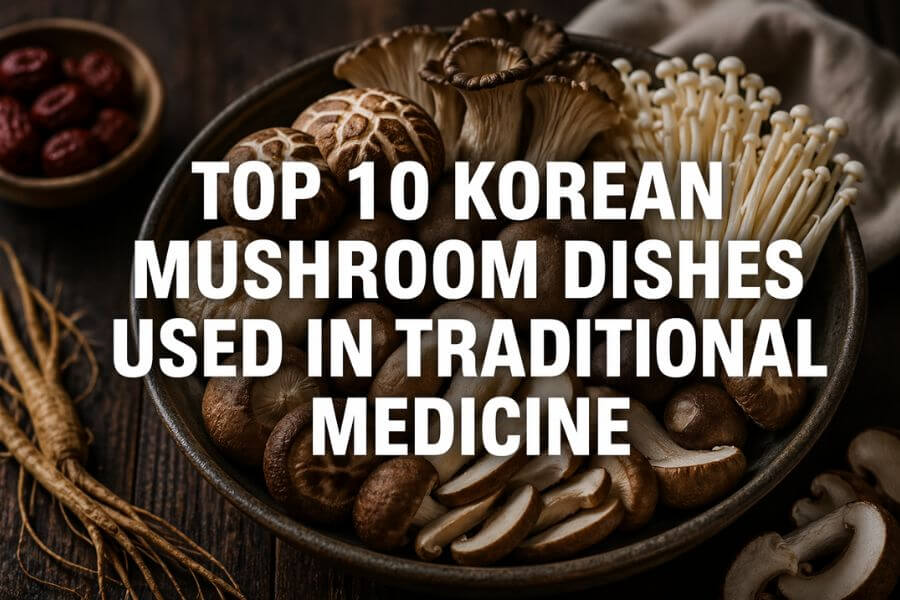
Korean food is not just about taste. It is also deeply connected to health and balance. For centuries, Koreans have used natural ingredients to support the body, and mushrooms have played a big role in this tradition. In Korean culture, mushrooms are often seen as healing foods because they are rich in nutrients and believed to help with energy, immunity, and overall wellness.
If you are curious about how food can support your health, Korean mushroom dishes are a great place to start. These dishes are simple, comforting, and packed with ingredients that people have trusted for generations. In this guide, you will discover ten Korean mushroom dishes that are not only delicious but also linked to traditional medicine practices.
1. Samgyetang with Shiitake Mushrooms
Samgyetang is a famous Korean chicken soup that is often eaten during hot summer days to restore energy. When shiitake mushrooms are added, the dish becomes even more powerful. Shiitake mushrooms are known for supporting the immune system and improving overall vitality. In traditional belief, this dish helps you recover from fatigue and boosts your strength. The rich broth combined with ginseng, garlic, and mushrooms creates a nourishing meal that feels both comforting and healing.
2. Beoseot Jeongol (Mushroom Hot Pot)
Beoseot jeongol is a warm and hearty hot pot filled with a variety of mushrooms such as enoki, oyster, and shiitake. This dish is often enjoyed during colder months because it helps keep your body warm and balanced. In traditional medicine, mixed mushrooms are believed to support circulation and improve digestion. The combination of different textures and flavors also makes this dish exciting and satisfying.
3. Neungi Beoseot Baeksuk
This dish is a special herbal chicken soup made with neungi mushrooms, also known as oak mushrooms. Neungi mushrooms are highly valued in Korea for their strong aroma and medicinal properties. They are believed to help with respiratory health and improve stamina. When cooked slowly with chicken and herbs, the result is a deeply flavorful soup that many people turn to when they feel tired or weak.
4. Pyogo Beoseot Bokkeum (Stir-Fried Shiitake Mushrooms)
This simple stir-fry dish highlights the natural flavor of shiitake mushrooms. It is lightly seasoned and cooked quickly to keep the nutrients intact. Shiitake mushrooms are known for their potential to support heart health and boost immunity. This dish is often served as a side dish, making it an easy way to include healthy mushrooms in your daily meals.
5. Beoseot Guk (Mushroom Soup)
Beoseot guk is a light and comforting soup made with various mushrooms and sometimes tofu. It is easy to digest and often eaten when you want something gentle on your stomach. In traditional Korean medicine, this soup is believed to help detoxify the body and improve hydration. It is a great choice when you feel under the weather or need a simple, nourishing meal.
6. Songi Beoseot Gui (Grilled Pine Mushrooms)
Pine mushrooms, also known as songi, are one of the most prized mushrooms in Korea. They are often grilled to preserve their natural aroma and flavor. These mushrooms are believed to support lung health and improve energy levels. Because they are rare and expensive, they are usually enjoyed on special occasions, but their health benefits make them worth trying if you get the chance.
7. Beoseot Bibimbap
Beoseot bibimbap is a colorful rice dish topped with a mix of vegetables and mushrooms. The mushrooms add both flavor and nutritional value. In traditional belief, this dish helps balance the body by combining different food groups. Mushrooms in this dish are known for their ability to support digestion and provide essential vitamins and minerals.
8. Enoki Mushroom Salad
This light and refreshing dish uses enoki mushrooms, which are known for their delicate texture. Enoki mushrooms are often associated with improved metabolism and weight management in traditional practices. The salad is usually dressed with a simple sauce, making it a healthy and easy option for those who want something fresh and nutritious.
9. Beoseot Namul (Seasoned Mushrooms)
Beoseot namul is a classic Korean side dish made by seasoning mushrooms with sesame oil, garlic, and soy sauce. It is simple but full of flavor. In traditional medicine, this dish is believed to help improve blood circulation and support overall health. It is often served as part of a balanced meal alongside rice and other side dishes.
10. Mushroom and Herbal Tea Soup
This unique dish combines mushrooms with herbal ingredients to create a light, tea-like soup. It is not as common as other dishes, but it is valued for its calming and restorative effects. In traditional Korean medicine, this type of soup is believed to help reduce stress and promote relaxation. It is often enjoyed in small portions as a wellness-focused meal.
Conclusion
Korean mushroom dishes offer more than just great taste. They reflect a long tradition of using food as a way to support health and balance. By adding these dishes to your meals, you can enjoy both flavor and potential wellness benefits. Whether you choose a rich soup or a simple side dish, mushrooms are a versatile ingredient that can easily fit into your daily routine. Exploring these dishes is a great way to experience the connection between Korean cuisine and traditional medicine.
Frequently Asked Questions
Are Korean mushroom dishes really used in traditional medicine?
Yes, many Korean mushroom dishes are influenced by traditional medicine practices. While they are still enjoyed as regular meals, the ingredients used are often chosen for their believed health benefits, such as boosting immunity and improving energy levels.
Which mushroom is most commonly used in Korean medicinal dishes?
Shiitake mushrooms are one of the most commonly used types. They are widely available and known for their rich flavor and potential health benefits, making them a popular choice in many Korean recipes.
Can you eat these dishes every day?
Most Korean mushroom dishes are safe to eat regularly as part of a balanced diet. However, it is always a good idea to vary your meals and include different types of foods to get a wide range of nutrients.
Are these dishes suitable for vegetarians?
Many of these dishes can be made vegetarian by removing meat or using plant-based ingredients. Mushroom-based soups, salads, and side dishes are especially suitable for vegetarian diets.
Do these dishes have scientific health benefits?
Mushrooms are known to contain vitamins, minerals, and antioxidants that support overall health. While traditional beliefs highlight additional benefits, modern research also supports the nutritional value of mushrooms as part of a healthy diet.